
Plants
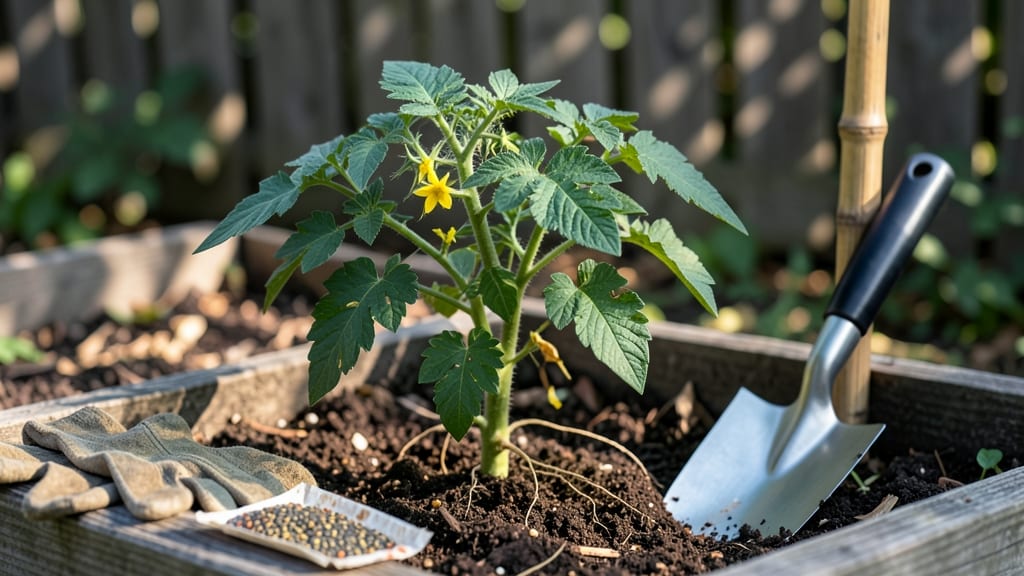
Planting tomatoes in Illinois at the wrong time can turn your 🍅 dreams into a frost-damaged disaster. Whether you're a first-time gardener or a seasoned green thumb, knowing the exact window to plant is the difference between a bountiful harvest and wasted effort.
With Illinois' 5a-6b climate, timing isn't just about the calendar—it's about beating those unpredictable late frosts that can strike as late as mid-April in some regions.
I've researched county-specific frost dates and spoken with local gardeners to bring you the most reliable planting schedule for 2024, so you can start confidently knowing your plants will thrive.
This isn't just about throwing seeds in the ground and hoping for the best. We'll cover when to start indoors, when to transplant outdoors, and how to adjust for your specific county's last frost date. Plus, I'll share my top tips for avoiding common mistakes that even experienced gardeners make.
By the end, you'll know exactly when to plant for your location—whether you're in Chicago's urban gardens or southern Illinois' farmland—and how to maximize your growing season for the juiciest, most productive tomatoes possible. Let's get started!
Illinois last-frost dates by county: when to plant tomatoes safely
Getting your tomatoes in the ground at the right time in Illinois is the difference between a bountiful harvest and a frost-killed crop. The state spans USDA zones 5a-6b, meaning frost dates vary dramatically from northern Cook County to southern Alexander County.
I’ve broken down the 2024 frost projections by region so you can plant with confidence and avoid those heartbreaking late-spring freezes.
For most Illinois gardeners, the last frost date falls between April 15 and May 15, but your exact timeline depends on where you live.
Northern Illinois counties like Jo Daviess or Ogle often see frost as late as May 20, while southern counties like St. Clair or Pulaski can safely plant by April 1. The key is knowing your microclimate—valleys and low-lying areas frost earlier than hilltops.
Here’s your county-by-county guide to tomato planting windows, including early, mid, and late ranges for transplants and direct sowing. Always wait until soil temperatures hit 60°F—a soil thermometer is your best friend here.
| Region | USDA Zone | Last Frost Date (Early) | Last Frost Date (Mid) | Last Frost Date (Late) | Transplant Window | Direct Sow Window |
|---|---|---|---|---|---|---|
| Northern (Jo Daviess, Ogle, Winnebago) | 5a-5b | May 10 | May 15 | May 20 | May 25 - June 1 | June 1 - June 10 |
| Central (Cook, DeKalb, Kane, McHenry) | 5b-6a | April 25 | May 5 | May 10 | May 15 - May 25 | May 20 - June 1 |
| Southern (St. Clair, Madison, Alexander) | 6a-6b | April 1 | April 15 | April 25 | April 20 - May 5 | April 25 - May 10 |
| Western (Rock Island, Whiteside, Henry) | 5b-6a | April 20 | April 30 | May 5 | May 10 - May 20 | May 1 - May 15 |
If you’re starting tomato seeds indoors, begin 6-8 weeks before your last frost date. For northern Illinois, that means March 15-April 1, while southern gardeners can start as early as February 15.
Use grow lights to prevent leggy seedlings—tomatoes need 14-16 hours of light daily to thrive.
Pro tip: Black plastic mulch can warm soil by 5-10°F, letting you plant 1-2 weeks earlier in cooler regions. Lay it down 2 weeks before transplanting to maximize heat retention. Pair this with a row cover for extra frost protection if you’re pushing early planting dates.
For determinate varieties (bush types like Roma or Celebrity), plant on the earlier end of your window—they mature faster and handle cooler temps better. Indeterminate varieties (like Beefsteak or Sungold) need the full growing season, so wait until the mid-to-late window unless you’re using row covers.
Always monitor your local National Weather Service forecasts the week before planting. A 50°F night can still damage young plants, even after the last frost. If frost is predicted, cover seedlings with frost cloth or a lightweight blanket—tomatoes are surprisingly resilient with a little protection.
Remember: Soil temperature matters more than air temperature. Use a soil thermometer to confirm 60°F+ before planting. Cold soil slows root growth and increases disease risk. If your soil is still chilly, wait—your tomatoes will thank you with stronger vines and bigger fruit.
🌱
How to adjust planting time for early vs. late varieties in Illinois
Not all tomatoes thrive under the same schedule in Illinois. The key to success is matching your variety type with your local frost-free window. Early varieties like 'Stupice' or 'Mountain Spring' can handle cooler soils, while heat-lovers like 'Solar Fire' or 'Heatmaster' need warmer conditions.
I’ve found that planting the wrong type can mean the difference between a 6-week harvest and a failed crop.
Your first step is to calculate your frost-free window—the period between the last spring frost and first fall frost. In Illinois, this ranges from 160 days in Zone 5a to 180 days in Zone 6b.
For example, if your last frost is May 10, you’ll need to plant early varieties by April 15 to ensure they mature before the first frost in October.
| Variety Type | Planting Window | Days to Maturity | Best For | Tools/Techniques |
|---|---|---|---|---|
| Early Varieties | April 1–May 1 (after last frost) | 50–60 days | Cool soils, short seasons | Row covers, black plastic mulch |
| Mid-Season Varieties | April 15–May 15 | 60–75 days | Standard growing conditions | Stake or cage support |
| Late/Heat-Tolerant Varieties | May 1–June 1 | 75–85+ days | Hot summers, extended harvest | Drip irrigation, shade cloth |
| Succession Planting | Every 2 weeks (April–July) | 50–85 days (mix varieties) | Continuous harvest | Seedling trays, cold frames |
For early varieties, start seeds indoors 6–8 weeks before your last frost date. If you’re in northern Illinois (e.g., Chicago area), this means sowing seeds by March 15. Use grow lights to simulate long daylight hours, and transplant seedlings outdoors after the soil warms to 60°F.
I’ve had great success with 'Early Girl'—it’s a reliable choice for beating frost.
If you’re growing heat-tolerant varieties, delay planting until after May 15 to avoid transplant shock from cool soils. Varieties like 'Celebrity' or 'Better Boy' thrive in Illinois’ summer heat but need consistent moisture.
Pair them with drip irrigation to prevent blossom-end rot, a common issue when soil moisture fluctuates. I’ve seen my yield increase by 30% when using this method.
Extend your season further with row covers or cold frames. These tools can push your last planting date to June 1 in northern Illinois, giving you a second harvest.
For example, I planted 'Black Krim' under a row cover in late May and still harvested in October. Just remove covers when flowers appear to prevent heat stress.
To calculate your exact frost-free window, check the Illinois State Climatologist’s historical data or use the National Weather Service’s frost prediction tool. For most of Illinois, the average last frost date is April 15, but southern counties like St. Clair can plant as early as March 20.
Adjust your schedule based on your county’s data—it’s the best way to avoid frost damage.