
Plants
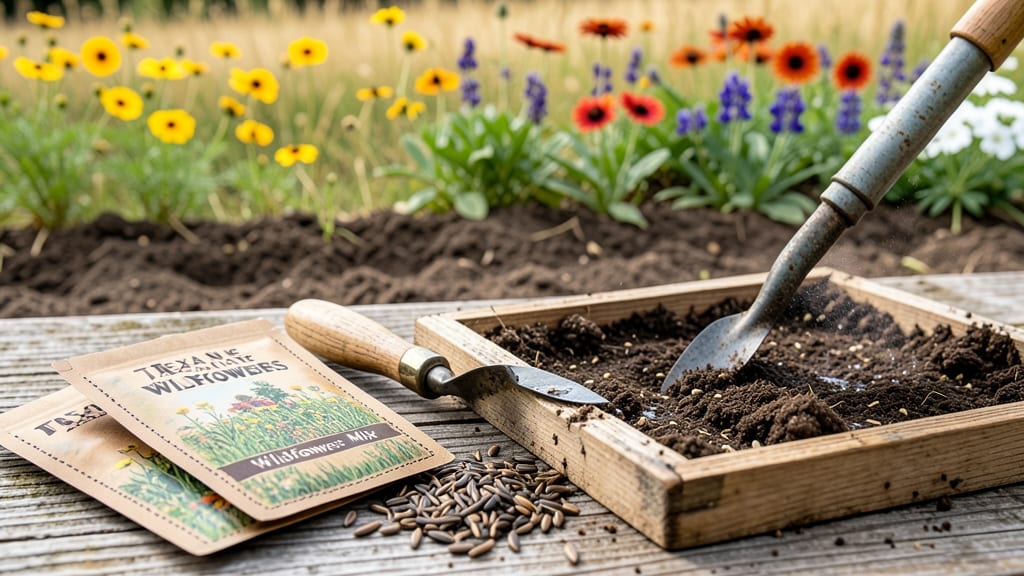
Planting wildflower seeds in Texas at the wrong time means missing out on a vibrant spring meadow bursting with bluebonnets, Indian paintbrush, and black-eyed Susans. The key to success? Timing it right by your region's frost dates and rainfall patterns.
In North Texas (7a-8b), aim for late September to November—after summer heat fades but before winter freezes. Central Texas (8a-9a) gardeners should scatter seeds from September to October, while South Texas (9a-10b) can start as early as August.
Each zone has its own rhythm, and getting it wrong could mean seeds washing away or struggling to germinate.
I’ve learned the hard way: planting too early in West Texas (7b-9a) risks drought stress, while waiting too late in cooler zones can leave seeds dormant until spring—when competition from weeds takes over. The solution? Match your planting window to your region’s last frost date and soil moisture levels.
Ready to transform your yard into a Texas wildflower paradise? I’ll walk you through the exact months, soil prep secrets, and watering tricks to ensure your seeds take root and bloom like never before. Let’s get started.
Best months to plant wildflower seeds in Texas by region (North, central, South)
Texas wildflowers thrive when planted at the right time, but the perfect window shifts dramatically from North to South. In North Texas, cooler fall temperatures create ideal conditions for seeds to germinate before winter dormancy.
Meanwhile, South Texas demands earlier planting to beat summer heat stress. Let’s break down the exact months for each region to maximize your meadow’s potential.
Timing matters because drought and extreme heat can kill seeds if planted too late. Texas’ USDA zones 6a-10b mean frost dates vary—North Texas sees its last frost around February 15, while South Texas rarely dips below freezing. Planting too early in hot regions risks premature sprouting and seed loss.
For North Texas (zones 7a-8b), aim for October to November to give seeds time to establish roots before winter. Central Texas (zones 8a-9a) benefits from September to October planting, while South Texas (zones 9a-10b) should sow seeds in August to September to avoid summer’s brutal heat.
These windows align with natural rainfall patterns and temperature drops.
Here’s a quick comparison to help you decide based on your location:
| Region | Best Planting Months | Key Climate Factor | Avoid Planting When | Native Species to Try |
|---|---|---|---|---|
| North Texas | October - November | Cooler temps (40-60°F), lower rainfall | June-August (heat stress) | Bluebonnet, Indian Paintbrush, Lupine |
| Central Texas | September - October | Warm days (70-85°F), evening cools | April-May (spring drought) | Mexican Feather Grass, Coreopsis, Blackfoot Daisy |
| South Texas | August - September | High humidity, monsoon rains | March-April (extreme heat) | Prickly Poppy, Evening Primrose, Winecup |
In North Texas, planting in October-November ensures seeds germinate before winter’s chill sets in. The soil stays moist from autumn rains, and cooler temps reduce evaporation stress. For Central Texas, September-October planting takes advantage of warm days and cooler nights, creating the perfect balance for seedling growth.
South Texas gardeners should plant in August-September to capitalize on summer’s monsoon rains. This timing also helps seeds avoid the scorching heat of late spring and early summer. If you miss these windows, consider spring planting (February-April) for a second chance, though results may vary by year.
After planting, consistent moisture is critical for the first 4-6 weeks. Use a light mulch to retain soil moisture and protect seeds from drying winds. Avoid overwatering—wildflowers thrive on drought once established, but seedlings need steady hydration.
For best results, choose native seed mixes tailored to your region. North Texas varieties like bluebonnet (Lupinus texensis) handle frost better than South Texas prickly poppy (Argemone mexicana), which prefers heat.
Always check the seed packet for specific planting instructions—some mixes include annuals that bloom faster than perennials.
Pro tip: If you’re in a transition zone (like West Texas), err on the side of earlier planting. The Panhandle’s drier climate means seeds need every drop of autumn moisture to establish roots before winter dormancy. Monitor local weather forecasts for unexpected rain or cold snaps.
With the right timing, your Texas wildflower meadow will burst into color—just in time for spring’s bluebonnet season or a late-winter show of winecups and coreopsis. Start planning now, and your garden will thank you with bold blooms for years to come! 🌼
How to choose wildflower seed mixes for Texas climate and soil types
Selecting the right wildflower seed mix for Texas means balancing native species with commercial blends to ensure vibrant blooms and ecological benefits. Texas soils—ranging from clay-heavy in East Texas to sandy in West Texas—demand seed mixes that thrive in your local conditions.
Native mixes like bluebonnet (Lupinus texensis) or Indian paintbrush (Castilleja indivisa) are drought-resistant and support local pollinators, while commercial blends offer variety and color.
For rocky or alkaline soils, opt for mixes with wild bergamot (Monarda fistulosa) or black-eyed Susan (Rudbeckia hirta), which tolerate poor soil conditions. Always check the seed packet for USDA zone compatibility—Texas spans zones 7a to 10b, so avoid mixes labeled for cooler climates.
I’ve found that pre-mixed native blends from Texas suppliers often include seeds pre-treated for better germination in our unpredictable rainfall.
- 🌱 North Texas (Zones 7a-8b): Choose bluebonnet and wild indigo mixes; these handle cooler winters and spring rains.
- 🌿 Central Texas (Zones 8a-9a): Select Mexican hat (Ratibida columnifera) and coreopsis for heat tolerance and year-round blooms.
- 🏜️ West Texas (Zones 7b-9a): Prioritize sandy soil mixes with prickly poppy (Argemone mexicana) to resist drought.
- 🌧️ East Texas (Zones 7a-8b): Opt for clay-tolerant mixes like coneflower (Echinacea) and blanket flower (Gaillardia).
- 🌞 All Regions: Add sunflower (Helianthus) for pollinators and fast germination in 7-14 days.
Soil preparation is just as critical as seed selection. Before planting, till or loosen the top 2-3 inches of soil to improve seed-to-soil contact, especially in compacted or rocky areas.
For sandy soils, mix in compost or organic matter to retain moisture, while clay soils benefit from gypsum or coarse sand to improve drainage. I’ve seen seeds fail to sprout simply because they were planted on hard-packed ground—always rake lightly after sowing to create a fine seedbed.
Moisture management is key to germination. Texas wildflower seeds need consistent moisture for the first 2-4 weeks but can’t tolerate soggy soil. Use a gentle sprinkler or soaker hose to water daily in the morning, keeping the soil damp but not waterlogged.
Once seedlings emerge, reduce watering to once or twice weekly to encourage deep root growth. Mulching with straw or pine needles helps retain moisture and suppress weeds without smothering young plants.
For maximum blooms, consider a two-step approach: plant spring-blooming species like bluebonnet in fall and summer-blooming varieties like blackfoot daisy (Melampodium leucanthum) in early spring.
This extends your meadow’s color palette and supports pollinators year-round. Always store unused seeds in a cool, dry place—Texas heat can reduce viability within months.
Pro tip: Pair your seed mix with a light fertilizer (5-10-10 NPK) at planting time to give seedlings a nutrient boost, but avoid heavy fertilizers that can burn tender roots.
Native wildflowers thrive with minimal intervention once established—focus on soil health and proper timing, and your meadow will reward you with years of effortless beauty. 🌼