
Plants
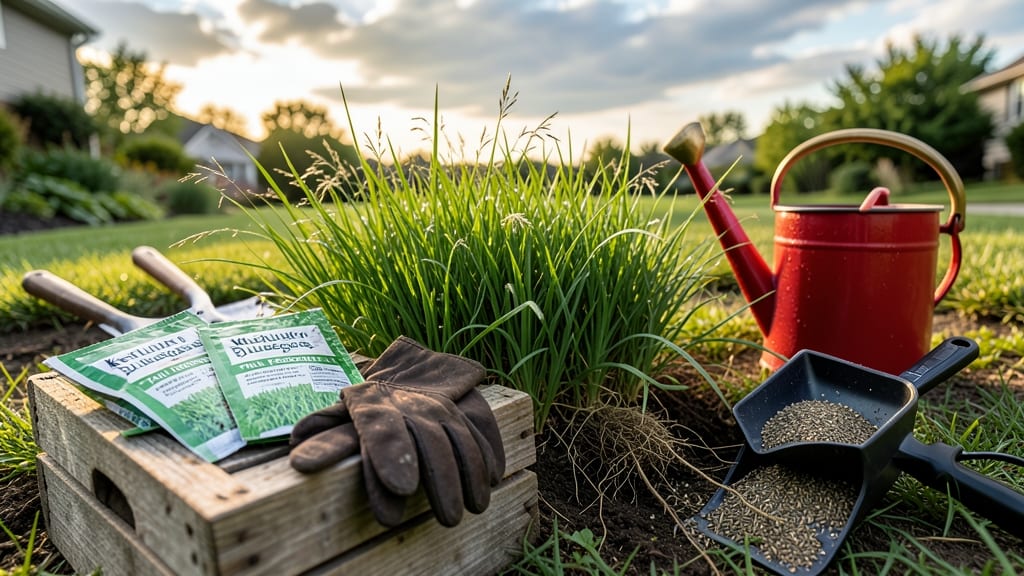
Planting grass in Kansas isn't just about grabbing seed and digging in—it's about timing your efforts to outsmart the state's unpredictable weather. Whether you're in the cooler 5b zones or the warmer 7a regions, getting it wrong can mean muddy patches in spring or scorched lawns by summer.
I've seen firsthand how a single week too early or late can turn a lush lawn into a battleground against weeds and drought. The key? Understanding Kansas' two perfect windows—late summer/fall (September-October) and early spring (March-April)—when soil temperatures and moisture align just right for grass roots to take hold.
What most homeowners miss is how your specific heat zone changes these rules. In western Kansas, where drought lurks, fall planting gives grass a head start before winter's dry spell.
Meanwhile, eastern Kansas' wetter climate makes spring planting more reliable. Let me show you exactly how to match your planting schedule to your corner of the state.
You'll discover the soil temperature secrets that separate success from struggle, plus how to prep your yard like a pro—whether you're seeding a new lawn or overseeding an old one. Ready to grow grass that actually sticks? Let's get started.
Kansas heat zones: how climate affects ideal grass planting months
Kansas spans USDA Hardiness Zones 5b through 7a, creating distinct microclimates that drastically influence when you should plant grass. In Zone 5b (northeast Kansas), cooler springs and earlier frosts demand precise timing, while Zone 7a (southwest Kansas) offers longer growing windows.
These zones dictate whether you'll succeed with spring planting or need to shift to fall for optimal results.
Soil temperature is the critical factor—grass seeds need 55°F+ soil to germinate reliably. In Wichita (Zone 7a), this typically happens by mid-March, while Kansas City (Zone 6a) waits until late March to early April.
Fall planting works best when daytime temps stay above 70°F but nights dip below 60°F, usually mid-September to early October across most of the state.
Regional variations matter too. Western Kansas (drier climate) benefits from fall planting to conserve moisture, while eastern Kansas (more humidity) sees better spring success due to reduced fungal risks. Understanding your specific heat zone helps you avoid planting during Kansas' unpredictable weather swings—like sudden late frosts or drought spells.
For Zone 5b gardeners, I recommend focusing on fall planting—it gives seeds time to establish roots before winter. In Zone 7a, you can attempt both seasons, but fall often outperforms spring due to lower heat stress and better moisture retention.
Always test your soil temperature with a soil thermometer before planting; cool, damp springs can delay germination for weeks.
Regional climate quirks add another layer. Western Kansas experiences lower humidity, making fall planting essential to prevent drought stress. Meanwhile, eastern Kansas sees more spring rainfall, which can lead to muddy planting conditions if you're not careful.
Use a rain gauge to track moisture—aim for 1 inch of water per week during establishment, whether from rain or irrigation.
Don't overlook microclimates within cities. Urban heat islands in Kansas City can push soil temps 5–10°F warmer than rural areas, creating ideal conditions for earlier spring planting. Conversely, windy plains near Hays may require extra mulch to protect young seedlings from desiccation.
Adjust your timing based on whether your yard sits in a sunny, sheltered spot or a shady, exposed area.
Pro tip: Seed packet labels often suggest planting months, but these are general guidelines. For Kansas, I adjust by 2–4 weeks later than recommended for spring planting to avoid late frost risks.
For example, if a packet says "plant in April," I wait until mid-May in Zone 5b or early May in Zone 6a to ensure safety.
Finally, monitor local weather forecasts for 10-day outlooks—Kansas' unpredictable weather can shift planting windows overnight. If a heatwave is forecasted, delay spring planting until temps drop below 90°F to prevent seed burn. For fall, aim to finish planting 4–6 weeks before first frost to allow roots to establish.
By aligning your planting schedule with Kansas' heat zones and soil temperature thresholds, you'll give your lawn the best chance to thrive—whether you're in humid northeast Kansas
Spring vs. fall planting: pros, cons, and Kansas-specific success tips
Deciding between spring and fall planting in Kansas can feel like choosing between two high-stakes poker hands—both have winning potential, but the stakes are high if you misplay them.
I’ve seen spring plantings fail in western Kansas due to early drought, while fall plantings in eastern Kansas struggled when weeds took over before roots established. The right choice depends on your USDA zone, soil moisture, and even your grass type.
For most of Kansas, fall planting (September-October) is the gold standard because cooler temperatures and consistent rainfall give grass seeds the perfect environment to germinate without the stress of summer heat.
However, early spring (March-April) can work in wetter eastern regions where winter moisture carries over. Let’s break down the pros, cons, and Kansas-specific tips to help you decide.
Spring Planting (March–May)
Pros
- ✅ Longer growing season before winter
- ✅ Weed competition is lower early spring
- ✅ Better for warm-season grasses (Bermuda, Zoysia)
Cons
- ❌ Drought risk in April–May
- ❌ Soil too cold in early March (below 55°F)
- ❌ Weed pressure spikes in late spring
Fall Planting (September–October)
Pros
- ✅ Cooler temps reduce stress on seeds
- ✅ Consistent moisture from fall rains
- ✅ Weeds germinate slower in fall
Cons
- ❌ Early frost risk if planted too late
- ❌ Limited time before winter dormancy
- ❌ Not ideal for warm-season grasses
If you’re in western Kansas (USDA Zone 5b-6a), prioritize fall planting—the combination of cooler temps and natural rainfall gives grass a fighting chance against drought. I’ve seen lawns in Garden City thrive with fall seeding because the roots establish before winter’s dry spell kicks in.
For eastern Kansas (Zone 6b-7a), spring planting can work if you start in early April when soil temps hit 55°F+ and moisture is reliable.
One of my biggest Kansas-specific tips is to test your soil moisture before planting. In fall, aim for 4-6 weeks before frost—this gives grass time to germinate and develop roots without rushing.
For spring, wait until soil temps stay above 55°F for 5+ days; otherwise, seeds will rot. Pro tip: Use a soil thermometer (they’re cheap!) to avoid guessing.
Weed control is another game-changer. Fall planting naturally suppresses weeds because cooler temps slow their growth. But if you plant in spring, apply a pre-emergent herbicide 2-3 weeks before seeding to block weeds.
I’ve had clients in Wichita swear by corn gluten meal as a natural pre-emergent—it’s organic and works surprisingly well for grass-only lawns.
Don’t overlook mulching after planting. A thin layer of straw or peat moss holds moisture and keeps soil temps stable—critical in Kansas’ fluctuating weather. Just avoid piling it too thick (¼ inch max) or it’ll smother seeds.
Water lightly every other day until germination, then taper off to encourage deep root growth. Consistency is key, especially in drought-prone areas like the Flint Hills.
Final verdict? For most of Kansas, fall planting wins—but spring can be a backup if you’re in a wetter region or seeding warm-season grass. The secret sauce? Know your microclimate, prep your soil like a pro, and don’t rush.
A well-timed lawn will outlast a rushed one every time. 🌱