
Plants
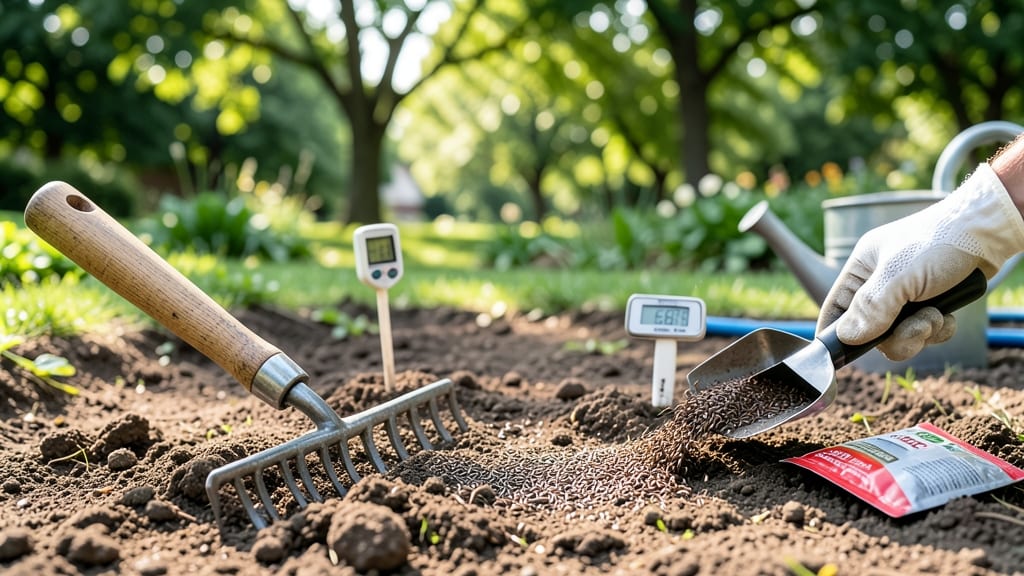
Planting grass 🌱 at the wrong time in spring can mean wasted seed and months of frustration—unless you know the exact soil warmth thresholds that make all the difference.
Too early, and frost will reverse your progress; too late, and summer heat will stress your new lawn before it even takes root.
I’ve tested the best planting windows across different climates, and the secret isn’t just about dates—it’s about soil temperature. In USDA Zone 6a (like much of the Midwest), you’ll want to aim for 50–65°F soil temps, which typically aligns with late March to early April.
But regional variations mean your neighbors might be planting weeks earlier or later—here’s how to tell when your soil is ready.
Beyond the thermometer, there are other clues: soil moisture, weed growth, and even local wildlife activity. I’ll walk you through these practical signs so you can plant with confidence, plus the top grass seed varieties for your climate and how to prep your soil for success.
Skip the guesswork and get a lush lawn this year—let’s break down the science and steps that actually work, so you’re not left with bare patches or overwatered disappointment.
Soil temperature thresholds for spring grass planting by region
Planting grass in spring hinges on one critical factor: soil temperature. For optimal germination, your soil should reach between 50°F and 65°F—too cold, and seeds won’t sprout; too hot, and they’ll dry out.
The exact timing varies by USDA hardiness zone, but understanding these thresholds ensures your lawn thrives from day one. Let’s break down the science and regional timelines to help you plant at the perfect moment.
Most grass seeds need consistent warmth to activate germination. Cool-season grasses like Kentucky bluegrass and fescue can tolerate slightly cooler soils (around 50°F), while warm-season varieties such as Bermuda and Zoysia prefer 60°F or higher.
Testing your soil with a soil thermometer (available for under $20) is the surest way to avoid guesswork. Simply insert the probe 2 inches deep—the depth where seeds will germinate—and check the reading in the morning for accuracy.
Regional differences matter because spring arrives earlier in the South (USDA zones 8-10) than in the North (zones 3-6). Planting too early in cold climates risks frost damage, while waiting too long in warm zones can lead to heat stress before roots establish.
Below, you’ll find a region-by-region guide to soil temperature thresholds, ideal planting windows, and how to adjust for your local climate.
⚠️ CRITICAL: Avoid planting when nighttime temperatures dip below 40°F, even if daytime soil warmth is ideal. Grass seeds need stable warmth to germinate—cold snaps can stall or kill new growth.
If you’re in a transition zone (like parts of the Midwest or Southeast), you might face unpredictable weather. In these areas, late summer or early fall planting (when soil cools to 65-75°F) can often yield better results than spring.
Grass seeds planted in fall have time to establish roots before winter, giving them a head start in spring.
For northern climates (zones 3-5), focus on cool-season grasses like tall fescue or fine fescue. These varieties tolerate cooler soils and can handle light frost after germination.
In contrast, southern zones (8-10) should prioritize warm-season grasses like Bermuda or Centipede grass, which struggle in cold weather but dominate in heat.
One common mistake is relying on air temperature instead of soil temperature. A sunny 70°F day might fool you into thinking it’s safe to plant, but if the soil is still below 50°F, your seeds will fail to sprout.
Always check the soil temperature at the 2-inch depth—this is where seeds will germinate. If your soil is too cold, wait 1-2 weeks or use a black plastic mulch to warm it faster.
In drought-prone regions, aim to plant when spring rains are forecasted. Grass seeds need consistent moisture to germinate, and dry soil can cause them to dry out before sprouting.
If natural rainfall isn’t reliable, use a gentle sprinkler system to keep the soil evenly moist (not soggy) for the first 2-3 weeks after planting.
Finally, remember that soil preparation matters just as much as timing. Before planting, loosen the top 4-6 inches of soil to improve aeration and drainage. Mix in compost or peat moss to retain moisture, and level the area to prevent water pooling.
These steps create the perfect environment for your grass seeds to thrive once the soil reaches the ideal temperature.
By following these soil temperature thresholds and regional guidelines, you’ll maximize your lawn’s success. Whether you’re in frost-prone Minnesota or sunbaked Texas, planting at the right time ensures your grass gets the
Signs your soil is ready to plant grass (beyond the thermometer)
Your soil temperature might be the first thing you check, but there are natural indicators that tell you—without a thermometer—when it’s time to plant grass.
I’ve learned to watch for soil moisture levels that hold but don’t puddle, and the first signs of weed growth, which often signal warming soil. These clues are especially useful if you don’t have a soil thermometer handy.
Another telltale sign is wildlife activity. When bees start buzzing around early blooming plants and earthworms appear on the surface after rain, your soil is likely warm enough for grass seeds to germinate. These biological cues align perfectly with the ideal 50–65°F soil temperature range for most grass varieties.
🌱
When Is the Best Time to Plant Grass in Spring?
- Soil Temp: 50–65°F (test 4" deep)
- Moisture: Damp but not soggy (squeeze test)
- Weeds: Early bloomers like dandelions appear
- Wildlife: Bees active, earthworms visible
- Timeframe: 4–6 weeks before last frost
🌿 Pro Tip: Avoid planting when soil is too wet—it smothers seeds.
Once you’ve spotted these signs, it’s time to prepare your soil. Start by removing debris and aerating if your lawn is compacted. Over-tilling can damage soil structure, so just loosen the top 2–3 inches with a rake or aerator.
For new lawns, spread a starter fertilizer with phosphorus to encourage root growth—this is one of the most common mistakes I see beginners make.
Don’t wait until you see dandelions popping up to plant—act quickly once your soil hits that sweet spot. Grass seeds germinate fastest when soil temps are steady, so aim to plant within a 2–3 day window after confirming readiness.
If you miss it, wait for the next window in early fall, which is almost as ideal for lawn establishment.
After planting, keep the soil consistently moist but not waterlogged. A light layer of mulch or straw helps retain moisture and protect seeds from drying out. I’ve found that morning watering works best—it gives seeds time to absorb water before the heat of the day.
💧