
Plants
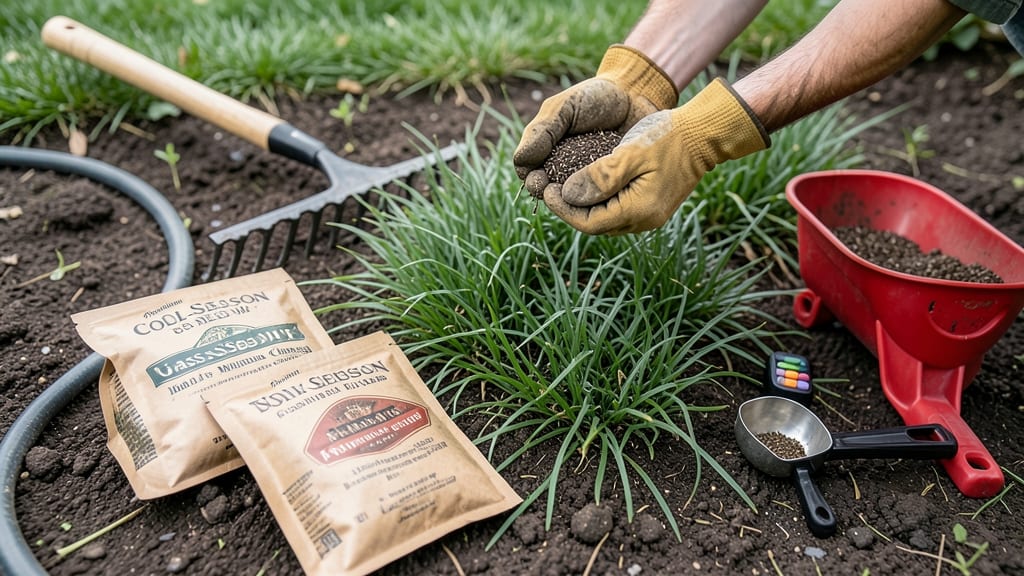
Planting grass seed at the wrong time in Minnesota can leave you staring at a yard full of weeds instead of lush, green grass—so when exactly should you plant for that thick, frost-proof lawn you’ve been dreaming of?
If you’ve ever wondered why some lawns thrive while others struggle, the answer often comes down to timing.
In Minnesota’s 3b-5b climate, late summer and early fall offer the perfect window to outsmart frost and drought, giving your 🌱 a fighting chance to establish deep roots before winter hits.
Most gardeners focus on spring planting, but here’s the secret: fall is actually the best time to plant grass seed in Minnesota—especially between late August and early October.
I’ll break down why this window works, how to prep your soil, and what to watch for to avoid common pitfalls like early freezes or drought stress.
Ready to skip the guesswork? Let’s dive into the exact steps to plant your grass seed for a lawn that stays green through next winter—no matter what Minnesota throws your way.
Minnesota’s ideal grass seed planting windows: late summer vs. early fall
If you’ve ever stared at a patchy lawn wondering why your grass seed didn’t take, the answer might be in your planting timing. In Minnesota’s USDA zones 3b-5b, the difference between a thick, frost-resistant lawn and a thin, struggling turf often comes down to when you plant.
Late summer and early fall offer the perfect window for cool-season grasses like Kentucky bluegrass and tall fescue, but getting it right means understanding soil temps, frost risks, and regional differences.
Most gardeners in Minnesota swear by fall planting—and for good reason. The 6-8 weeks before first frost (typically late August to mid-September) gives grass seedlings time to establish deep roots before winter. But timing isn’t one-size-fits-all.
Northern Minnesota’s shorter growing season demands earlier planting, while southern regions can stretch the window slightly later. Let’s break down the science behind these windows and how to adjust for your specific location.
🌱
Soil temperature is the #1 factor in determining success. Cool-season grasses like Kentucky bluegrass and tall fescue thrive when soil temps are between 50-70°F. Use a soil thermometer (available at garden centers for ~$10) to check—if it’s above 75°F, wait a week or two.
In northern Minnesota, where summers are shorter, aim for late August planting to maximize root growth before frost. Southern regions can push into early October, but only if you’re using fast-germinating varieties like fine fescue.
Frost risk is another critical factor. The average first frost in Minnesota ranges from September 15 in the south to October 1 in the north. Planting 4-6 weeks before this date gives seedlings enough time to develop a 3-4 inch root system, which is key for surviving winter.
Pro tip: Check the National Weather Service’s frost prediction maps for your specific county—these are updated weekly and can save you from planting too late.
Regional variations matter. In Zone 3b (northern MN), where winters are harsh, I’ve had the best luck with early September planting of tall fescue blends. These varieties handle cold better and establish faster.
Meanwhile, in Zone 5b (southern MN), I’ve successfully planted as late as early October by using a lightweight frost blanket on seedlings. The key is matching your seed variety to your microclimate—ask your local nursery for recommendations tailored to your ZIP code.
What if you miss the ideal window? Don’t panic. Spring planting (early April to mid-May) is your backup option, though it comes with challenges like weed competition and drought stress.
If you go this route, focus on pre-emergent herbicides in late winter to suppress weeds and mulch heavily after planting to retain moisture. Just remember: fall planting still gives you the thickest, most resilient lawn for Minnesota’s climate.
To check if your soil is ready, do the “squeeze test”: Grab a handful of soil and squeeze it. If it holds its shape but crumbles when you poke it, it’s at the perfect moisture level. If it’s too dry, water deeply 24 hours before planting. For compacted soil, rent a core aerator to improve seed-to
5 Critical factors for success: soil, weather, and seed selection
When planting grass seed in Minnesota, your soil preparation sets the stage for success. The ideal soil pH for most grass types ranges between 6.0 and 7.5.
Test your soil with a kit from your local garden center—Minnesota’s clay-heavy soils often need amendments like compost or peat moss to improve drainage and fertility. If your soil is too acidic, a lime application can raise the pH before planting.
Next, consider your local rainfall patterns. Minnesota’s late summer and early fall typically offer consistent moisture, but drought can still strike. Plan to water deeply 1-2 times per week after planting, especially if rainfall is scarce. A sprinkler system or soaker hose can help maintain even moisture without overwatering.
Choosing the right grass seed variety is another game-changer. Minnesota’s cool-season grasses, like Kentucky bluegrass and tall fescue, thrive in our climate. These varieties establish roots quickly in fall’s cooler temperatures, giving them a head start before winter.
Avoid warm-season grasses like Bermuda, which struggle in Minnesota’s cold winters.
- 1. Soil pH & Fertility: Test soil pH (aim for 6.0-7.5) and amend with compost or lime if needed. Minnesota’s clay soils often require organic matter for better drainage.
- 2. Rainfall & Watering: Late summer/fall usually provides steady rain, but supplement with deep watering (0.5-1 inch/week) if drought hits. Use a rain gauge to track moisture levels.
- 3. Seed Selection: Opt for cool-season grasses (Kentucky bluegrass, tall fescue) designed for Minnesota’s USDA zones 3b-5b. Avoid warm-season varieties.
- 4. Frost Timing: Plant 4-6 weeks before first frost (typically by September 15 in most of MN). Check local frost dates via Almanac.com.
- 5. Pre-Planting Prep: Clear debris, loosen soil 2-3 inches deep, and level the area. Apply a starter fertilizer with phosphorus for root growth.
Before you plant, prepare your lawn like a pro. Start by removing weeds and debris—even small patches can compete with your new grass. Loosen the soil with a rake or tiller to a depth of 2-3 inches, breaking up compacted layers.
Level any low spots to ensure even water distribution. A starter fertilizer with phosphorus will give your grass seedlings a strong root system before winter.
Don’t overlook the weather forecast when choosing your planting date. Aim for a window with mild temperatures (50-70°F) and consistent rainfall. If an early frost is predicted, consider using a lightweight row cover to protect young seedlings.
Minnesota’s northern regions may need to plant slightly earlier (late August) than southern areas (early September).
Finally, seed selection depends on your lawn’s needs. For high-traffic areas, tall fescue offers durability, while Kentucky bluegrass spreads quickly to fill bare spots. Mixing seed types can create a thicker, more resilient lawn. Always buy high-quality seed from reputable suppliers to avoid weeds or low germination rates.