
Plants
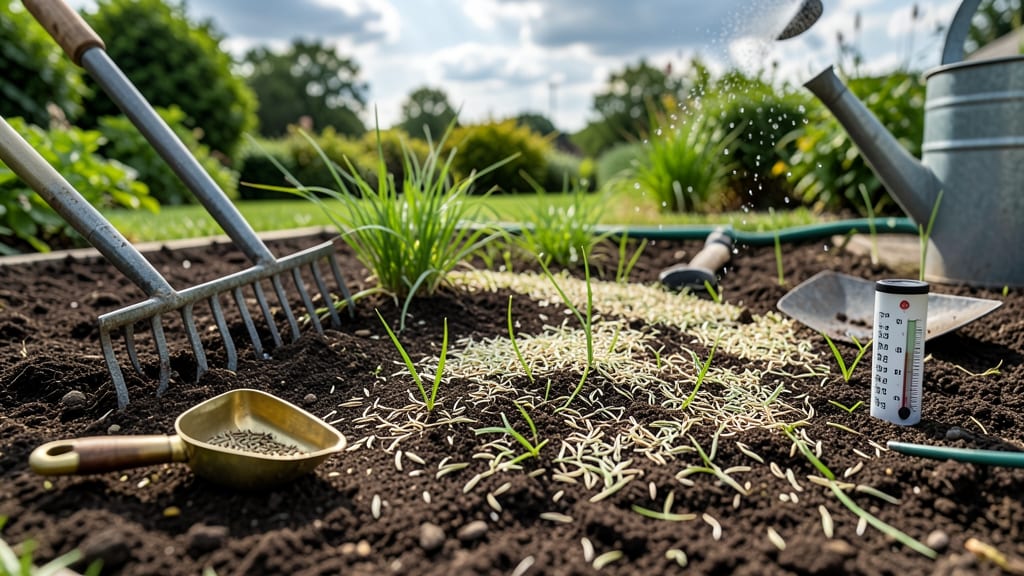
Timing your grass seed planting in Oklahoma can make the difference between a lush, green lawn and months of frustration—especially when unpredictable weather throws a curveball.
Most gardeners assume spring is the only window, but early fall often gives grass seed the perfect balance of warmth and moisture to take root before winter.
The key? Waiting until soil temperatures hit 60-75°F—and avoiding those scorching summer months when drought or heat stress can kill seedlings before they sprout.
I’ve seen firsthand how Oklahoma’s 6b-8a climate zones create dramatic differences in success rates. Northern regions might nail fall planting, while southern areas can stretch into early November—but only if you prep the soil and track rainfall patterns.
Let’s break down the exact windows, soil triggers, and regional tweaks that’ll guarantee your 🌱 grass seed thrives.
Whether you’re seeding a new yard or patching bare spots, these insights will save you time, money, and the heartache of watching your investment wither. Ready to plant with confidence?
Oklahoma’s ideal grass-seeding windows: soil temperature & rainfall guidelines
Timing your grass seed planting in Oklahoma can make the difference between a thick, green lawn and a patchy, struggling yard.
The state’s diverse climate zones—from the cooler north to the warmer south—mean you can’t use a one-size-fits-all approach. Soil temperature and rainfall patterns are your best guides, and I’ll break down the exact windows for success based on your region.
Oklahoma’s cool-season grasses (like Tall Fescue and Kentucky Bluegrass) thrive when soil temps hover between 50-65°F, while warm-season grasses (such as Bermuda and Zoysia) need 65-75°F to germinate. Rainfall timing is equally critical—too little moisture means failed sprouts, while too much can wash seeds away.
Let’s dive into the ideal planting windows for your Oklahoma location.
🌱 Northern Oklahoma (USDA Zones 6b-7a): This region has cooler springs and earlier frosts, so your best windows are late April to mid-May for spring and mid-September to early October for fall. Southern Oklahoma (Zones 7b-8a) can plant slightly earlier—mid-March to April in spring and late August to September in fall—thanks to warmer soil.
🌡️ Soil temperature is the #1 factor for germination success. Use a soil thermometer to check depths of 2-4 inches—this is where seeds will sprout. Cool-season grasses need consistent temps above 50°F, while warm-season types won’t germinate until soil hits 65°F. Oklahoma’s unpredictable weather means waiting for stable temps is key.
🌧️ Rainfall requirements vary by season. Spring plantings need 1-1.5 inches of rain per week or daily watering for the first 2 weeks. Fall plantings benefit from natural rainfall, but supplement with light irrigation if drought hits. Southern Oklahoma often sees less reliable rainfall in late summer, so plan accordingly.
| Factor | Northern OK (Zones 6b-7a) | Southern OK (Zones 7b-8a) |
|---|---|---|
| Best Planting Windows | Late April–Mid-May (Spring) / Mid-Sept–Early Oct (Fall) | Mid-March–April (Spring) / Late Aug–Sept (Fall) |
| Ideal Soil Temp | 50–65°F (Cool-Season Grasses) | 65–75°F (Warm-Season Grasses) |
| Rainfall Needs | 1–1.5" weekly (supplement if dry) | 0.75–1" weekly (drought-prone areas need irrigation) |
| Grass Types | Tall Fescue, Kentucky Bluegrass | Bermuda, Zoysia, Buffalo Grass |
| Key Risk | Late frosts delaying germination | Summer drought stressing new seedlings |
⚠️ Pro Tip: Test soil moisture by squeezing a handful—if it crumbles easily, it’s ready for seeding.
If you’re planting cool-season grasses in Southern Oklahoma, aim for early fall (September) to avoid summer heat stress. Warm-season grasses in the north? Late spring (May) gives them time to establish before fall frosts. Oklahoma’s panhandle is an exception—its drier climate means supplemental watering is a must for both seasons.
🌱 Germination speed also varies by grass type. Cool-season grasses typically sprout in 7-21 days, while warm-season varieties can take 10-30 days. Monitor soil moisture closely—uneven watering causes uneven germination, leading to weak patches. A light mulch (like straw) helps retain moisture without smothering seeds.
Don’t forget to check local weather forecasts 1-2 weeks before planting. Sudden rain or heatwaves can disrupt germination, so flexibility is key. Northern Oklahoma gardeners should watch for late April frosts, while southern areas may face early September droughts.
Adjust your timeline based on 7-day forecasts for the best results.
For maximum success, pair your planting window with proper soil prep. Test your soil’s pH (6.0-7.0 for most grasses) and amend with compost or lime if needed. Remove weeds and level the soil before seeding—uneven surfaces lead to water pooling and seed loss
How to prepare Oklahoma soil for grass seed planting: month-by-month checklist
Preparing your Oklahoma soil for grass seed is half the battle—especially when dealing with clay-heavy soils in the eastern regions or sandy loam in the panhandle. The right prep ensures your seed germinates evenly and establishes roots before Oklahoma’s summer heat or winter freeze sets in.
I’ve learned the hard way that skipping soil tests or rushing amendments can leave you with patchy, weak grass that struggles to compete with weeds.
Your goal is loose, nutrient-rich soil with a pH between 6.0 and 7.5. Most Oklahoma soils lean alkaline, so you’ll likely need to lower pH with sulfur or peat moss.
And don’t forget—moisture retention is critical, whether you’re battling drought in the western plains or sudden downpours in the east. Let’s break down the month-by-month steps to get your lawn off to the strongest start.
Test soil pH (aim for 6.0-7.5) and amend with sulfur if alkaline. Till or aerate clay-heavy areas to break compaction.
Add 2-3 inches of compost or aged manure. Rake to create a fine seedbed—no clumps! Remove debris and weeds.
Test soil again—fall planting often needs less amendment than spring. Focus on moisture retention with straw mulch.
Apply starter fertilizer (high phosphorus) and seed. Lightly rake to cover seeds with 1/4 inch of soil.
For clay-heavy soils common in eastern Oklahoma, mix in sand and compost in a 50/50 ratio before planting. In the panhandle, where soils are sandier, add peat moss or coconut coir to improve water retention.
I’ve seen dramatic differences in germination rates after just these simple amendments—your grass will thank you!
Don’t overlook weed control before seeding. Apply a pre-emergent herbicide like corn gluten meal 2-3 weeks before planting to prevent crabgrass and other weeds from stealing nutrients. And if you’re in a drought-prone area, consider installing a drip irrigation system to maintain consistent moisture without runoff.
After seeding, apply a light straw mulch (not hay—it can introduce weeds) to protect seeds from birds and retain moisture. Water gently but deeply—1-1.5 inches per week—and avoid walking on the area until the grass reaches 3-4 inches tall.
Patience here pays off with a thicker, more resilient lawn.
Remember, Oklahoma’s USDA zones 6b-8a mean your neighbors’ success might not match yours. Adjust timelines by 2-4 weeks based on your specific microclimate. With the right prep, your grass seed will germinate in 7-21 days and establish roots before Oklahoma’s extreme weather takes over.