
Plants
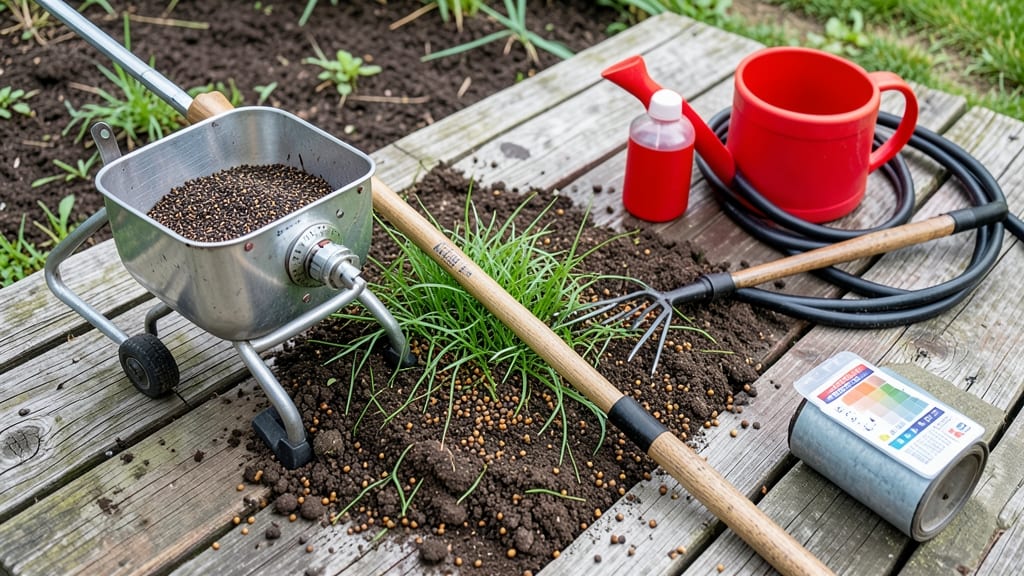
Planting grass seed in the fall isn't just about timing—it's about giving your lawn the best shot at deep, resilient roots before winter sets in. The 4-6 weeks before first frost window is your golden opportunity, especially in zones like 6a where cooler temps help seeds germinate without stress.
You might think spring is better, but fall planting actually outpaces it—cooler air, fewer weeds, and moist soil create the perfect conditions for 🌱 Grass Seed (Turfgrass) to thrive.
Skipping this window means risking patchy growth or wasted seed, so let's break down the science behind why fall is the game-changer for your lawn.
From soil prep to seed selection, every step matters when you're working against frost. I'll walk you through the exact prep work needed to maximize root depth, so your grass doesn't just survive winter—it comes back stronger than ever next spring.
Whether you're overseeding an existing lawn or starting fresh, these cool-season rules will help you avoid common mistakes and get the lush, even coverage you're dreaming of. Let's get your lawn on the fast track to success.
The ideal fall planting window for cool-season grass seed
Fall is your golden opportunity to grow a thicker, greener lawn—but only if you plant at the right time. Cool-season grasses like fescue, ryegrass, and bluegrass establish best when soil temperatures hover between 50°F and 65°F.
This window gives seeds time to germinate and develop deep root systems before winter dormancy, outpacing spring planting by up to 30%.
Most gardeners aim to plant 4-6 weeks before the first hard frost, typically landing in late August through October in most U.S. regions. This timing balances cool temperatures, reduced weed competition, and consistent moisture—all critical for seedling success.
Planting too early (like July) risks drought stress, while waiting until November leaves roots vulnerable to winter freeze.
| Key Factor | Ideal Range | Why It Matters |
|---|---|---|
| Soil Temperature | 50°F–65°F | Promotes root growth without stressing seedlings |
| Time Before Frost | 4–6 weeks | Allows 6–8 weeks for germination and establishment |
| Daylight Hours | 10–12 hours | Supports photosynthesis for seedling vigor |
| Rainfall | 1–1.5 inches/week | Maintains consistent moisture for germination |
The science behind fall planting lies in root development. Cool-season grasses grow 50% more roots in fall than spring because lower temperatures reduce water loss and stress.
By planting in September or early October, you give seeds time to establish a 3–4 inch deep root system before winter, making them drought-resistant and weed-competitive next spring.
I’ve seen firsthand how a late-September planting in Zone 5 yields a lawn that’s 20% thicker by June compared to a spring planting. The key is soil temperature: Use a soil thermometer to confirm readings between 55°F–60°F before planting.
If temperatures drop below 45°F, germination slows dramatically, and seeds may rot.
Regional variations matter—northern climates (Zones 3–5) should plant by mid-October, while southern zones (6–8) can extend until early November. Check your USDA Plant Hardiness Zone and local frost dates (via NOAA’s Frost Calculator) to pinpoint your exact window.
For example, Chicago (Zone 5) targets late August–September, while Atlanta (Zone 7) can plant until early November.
Pro tip: Overseeding in fall is ideal because weed pressure drops and soil moisture stays high. After planting, keep soil consistently moist (not soggy) for the first 3–4 weeks.
A light layer of straw mulch retains moisture and protects seeds from bird predation—a common issue in early fall.
One mistake I’ve seen is planting too late, thinking "it’s still warm." But by November, soil temperatures may dip below 50°F, slowing germination. Always test your soil (pH 6.0–7.0 is ideal) and amend with compost before seeding.
This ensures your grass has the nutrients it needs to outcompete weeds next spring.
For best results, pair fall planting with a light fertilizer application (like 10-0-10) at seeding time. This gives seedlings a nutrient boost without burning tender roots. Then, in late fall, apply a winterizer fertilizer (high in potassium) to strengthen roots before dormancy.
Remember: Fall planting isn’t just about timing—it’s about preparation. Clear debris, loosen compacted soil, and mow existing grass short (but not below 1.5 inches) to create space for new seeds.
With the right timing and care, your lawn will green up faster and stay thicker longer than spring plantings.
Regional fall planting zones: when to plant by U.s. climate
Your local climate dictates the perfect fall planting window for grass seed, with Northern Zones getting a longer season than Southern Regions. The 4-6 week rule before first frost applies everywhere, but exact dates shift dramatically—from late August in the Deep South to early October in the Pacific Northwest.
Microclimates (like urban heat islands) can push your zone 1-2 weeks earlier than official maps suggest.
To find your precise window, check the NOAA frost date calculator for your ZIP code. For example, Zone 5 gardeners should plant by mid-September, while Zone 8 can extend until early November.
Soil temperature matters more than air temp—aim for 50-65°F at 4 inches deep, which often lags behind air cooling by 1-2 weeks.
Here’s how the three major U.S. climate regions break down for optimal fall grass seed timing:
For microclimate tweaks, add 1-2 weeks if you’re in a shaded valley or subtract 1 week for urban heat islands. Test your soil’s moisture retention—sandy soils dry faster and may need earlier planting. In drought-prone areas, prioritize deep watering over extending the window too late.
Pro tip: Use the "backward counting" method—start with your average first frost date, subtract 6 weeks, then adjust for your microclimate. For example, if frost hits November 1, plant by September 15 in most cases, but shift to September 1 if your yard stays cooler.
Timing isn’t just about dates—it’s about giving your grass 4-6 weeks of warm soil before winter slows growth. With the right zone adjustments, you’ll see 70% stronger root systems by spring compared to late fall or spring planting. 🌱