
Plants
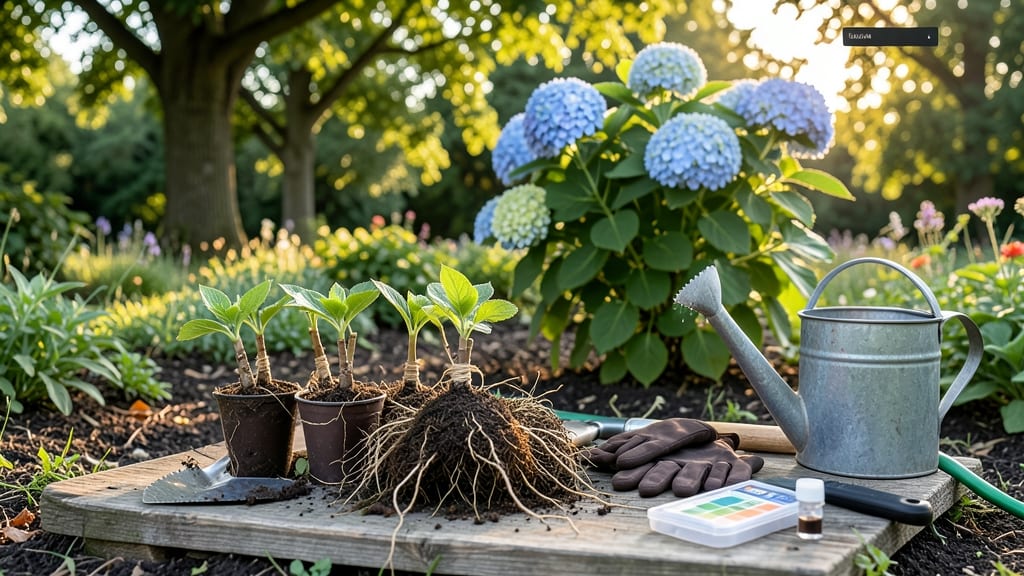
Planting your hydrangea 🌸 at the wrong time in the Northeast can leave you staring at sad, struggling shrubs instead of the lush blooms you dream of.
The best time to plant hydrangeas in this region isn't just about the calendar—it's about understanding your local frost dates and soil conditions to give your plants the fighting chance they deserve.
Most gardeners in USDA Zones 5-7 swear by two windows: late spring (after the last frost, usually late April to early June) or early fall (September). But here's the catch—fall planting gives roots time to establish before winter, while spring planting avoids the stress of transplant shock.
I'll break down which option works best for your specific corner of the Northeast.
Whether you're in New England or the Mid-Atlantic, getting the timing right means richer soil, healthier growth, and those showstopping blooms you've been waiting for. Let's dive into the frost-date secrets that'll transform your hydrangea from "meh" to "wow" in just one growing season.
You'll discover how to prep your garden bed, when to water (and when to hold off), and even how to protect your new plants from late-season frosts. Trust me, these small adjustments make all the difference between a struggling shrub and a thriving garden star.
Northeast hydrangea planting Zones: frost-date timeline by USDA region
Planting hydrangeas in the Northeast requires precision—timing matters more than you might think. The USDA Zones 3-7 span from northern New England to the Mid-Atlantic coast, each with distinct frost dates that dictate your planting window.
Miss the mark, and your hydrangeas may struggle to establish roots before winter or bloom poorly. Let’s break down the exact frost-date timeline for each zone to ensure your shrubs thrive.
In USDA Zone 3 (e.g., Maine, Vermont), the last frost typically arrives between May 15-30, while Zone 7 (e.g., Pennsylvania, Maryland) sees its final frost around April 15-25.
These variations mean a 4-6 week difference in planting windows across the region. Understanding these dates helps you avoid transplant shock and ensures your hydrangeas get a strong start.
Below is a zone-by-zone breakdown of ideal planting windows, including last frost dates, soil temperature thresholds, and regional tips for success. Whether you’re in New England’s chillier climates or the Mid-Atlantic’s milder zones, this timeline will guide you to the perfect moment to plant.
🌸
| USDA Zone | Region Examples | Last Frost Date | Ideal Planting Window | Soil Temp Threshold | Key Tip |
|---|---|---|---|---|---|
| Zone 3 | Maine, Vermont, Upstate NY | May 15-30 | Late May to early June (spring) or early September (fall) | ≥ 55°F (13°C) | Mulch heavily after planting to protect roots from winter chill. |
| Zone 4 | New Hampshire, Massachusetts, Northern PA | May 1-15 | Early May to late May or mid-September | ≥ 50°F (10°C) | Choose cold-hardy varieties like Oakleaf Hydrangea for better survival. |
| Zone 5 | Connecticut, NY (excluding NYC), Western MA | April 20-May 5 | Late April to early May or late August to early September | ≥ 50°F (10°C) | Amend soil with peat moss to improve drainage in heavy clay soils. |
| Zone 6 | New Jersey, Delaware, Eastern PA | April 10-20 | Early April to mid-May or September | ≥ 45°F (7°C) | Fall planting works well—roots establish before winter dormancy. |
| Zone 7 | Maryland, Northern VA, DC | April 1-15 | March 15-April 30 or early September to October | ≥ 40°F (4°C) | Extend fall planting to October 15 in milder microclimates. |
For Zone 3 and 4 gardeners, spring planting is riskier due to late frosts, so fall planting in September often yields better results. These zones benefit from earlier root establishment before winter, giving hydrangeas a head start in spring.
In contrast, Zones 6 and 7 can handle both spring and fall planting, but spring offers a longer growing season for root development.
Regional variations also play a role. For example, coastal areas in Zone 7 (like Maryland’s Eastern Shore) may experience earlier last frosts than inland zones, allowing for earlier spring planting.
Always check your local frost date averages—resources like the National Oceanic and Atmospheric Administration (NOAA) provide hyper-local data. Pro tip: Plant 1-2 weeks after your area’s average last frost date for extra safety.
Another critical factor is soil temperature. Hydrangeas won’t thrive if planted in cold, soggy soil. Wait until soil temps reach 50°F (10°C) or warmer—use a soil thermometer to check.
In Zone 3 and 4, this often means waiting until late May, while Zone 7 can start as early as mid-March in milder pockets.
Don’t overlook fall planting, especially in Zones 5-7. Planting in September or early October gives roots time to establish before winter, often resulting in healthier, more vigorous shrubs the following year.
Just ensure you plant 6-8 weeks before your first expected frost—this window allows roots to grow but prevents new shoots from emerging too early in spring.
🌿
If you’re in a transition zone (e.g., Zone 5b vs. 6a), err on the side of caution. For instance, Pittsburgh (Zone 6b) has a later last frost than Philadelphia (Zone 7a), so adjust your timeline accordingly.
Microclimates—like south-facing slopes or urban heat islands—can also shift frost dates by 1-2 weeks. Observe your garden’s unique conditions over a few years to refine your planting schedule.
Finally, container planting offers flexibility for gardeners in
Spring vs. fall planting: pros, cons, and critical timing tips for hydrangeas
Deciding between spring and fall planting for hydrangeas in the Northeast hinges on soil temperatures, moisture levels, and your local frost dates. Both seasons offer advantages, but timing is everything to avoid transplant shock or winter damage.
Let’s break down the key factors so you can choose the best window for your USDA Zones 5-7 garden.
In the Northeast, fall planting (September to early October) gives hydrangeas time to establish roots before winter dormancy. The cooler air and consistent moisture create ideal conditions for root growth, while avoiding the heat stress of summer planting.
However, you’ll need to plant early enough to let roots settle before the first frost—typically 6-8 weeks before hard freeze.
Spring planting (April to early June) offers a longer growing season, but hydrangeas planted too early may struggle with dry soil and heat stress before roots establish. Aim for planting after the last frost when soil temperatures reach 55°F (13°C)—this ensures roots can absorb moisture without drying out.
- Longer growing season for root establishment
- Less competition from weeds and pests
- Easier soil prep before planting
- Risk of drought stress if planted too early
- Heat shock if soil is too warm
- Slower root growth in hot conditions
- Cooler temps reduce transplant shock
- Consistent moisture from fall rains
- Roots establish before winter for spring blooms
- Limited time window before frost
- Frozen soil can delay planting
- Winter damage risk if roots aren’t deep enough
One common mistake gardeners make is planting hydrangeas in early spring before soil warms up. Cold soil slows root growth, leaving plants vulnerable to transplant shock when summer heat arrives. To test soil readiness, push a thermometer 4 inches deep—if it’s below 55°F (13°C), wait a few weeks.
In the fall, monitor frost forecasts and plant at least 4-6 weeks before the first hard freeze to allow roots to anchor.
Moisture management is critical during both planting seasons. Hydrangeas thrive in well-draining, consistently moist soil, so mulch heavily (3-4 inches) after planting to retain moisture and regulate soil temperature.
In spring, water deeply 2-3 times per week until roots establish, while fall-planted hydrangeas benefit from weekly watering until the ground freezes. Avoid soggy soil, which can lead to root rot—especially in heavy clay soils common in the Northeast.
For Northeast gardeners, fall planting often yields better results because it aligns with the plant’s natural dormancy cycle. However, if you miss the fall window, spring planting can still work—just be patient and prioritize soil prep.
Amend your garden bed with compost or peat moss to improve drainage, and choose a location with morning sun and afternoon shade to protect blooms from scorching. With the right timing, your hydrangeas will reward you with vibrant blooms for years to come.
🌸