
Companion Plants
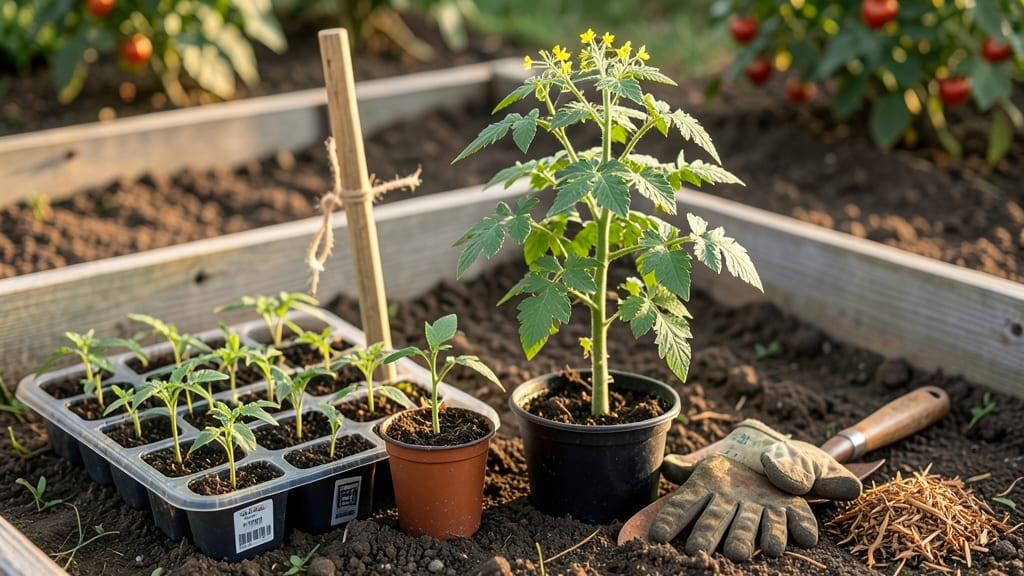
Planting your 🍅 tomatoes at the wrong time in Tennessee could mean the difference between a garden overflowing with juicy red fruit and a sad, frost-nipped disappointment.
The key to success isn't just waiting for spring—it's knowing exactly when to start seeds indoors and when to transplant them outdoors based on your specific heat zone.
With Tennessee's unpredictable weather—especially those late-spring frosts that can sneak in even after April—getting the timing right is everything. I've grown tomatoes in Zone 6a-7b for years, and the 3-week window between last frost and peak growing season makes all the difference.
Let me show you exactly when to plant for maximum harvest potential.
Whether you're starting seeds in March or waiting for soil to warm in May, this guide breaks down the perfect planting schedule for your region. We'll cover how to adjust for Tennessee's humidity, clay soils, and those tricky microclimates that can throw off even the most experienced gardeners.
By the end, you'll know exactly when to put those tomato plants in the ground—and how to protect them from Tennessee's most common growing season pitfalls. Ready to grow tomatoes that actually thrive?
Tennessee heat Zone planting calendar: exact start dates by region
Tennessee’s USDA Hardiness Zones 6a-8a create dramatic differences in frost timing—planting too early in Zone 6a (east Tennessee) risks frost damage, while Zone 8a (Memphis) can handle late starts. Use this zone-specific calendar to align your tomato varieties with local frost-free windows and soil temperatures.
For cherry tomatoes (fast-maturing) and heirloom beefsteaks (longer season), timing varies by seed-starting indoors vs. transplanting outdoors. I’ll break down the exact dates for each zone, including soil temperature thresholds (critical for germination) and transplant windows (wait until nighttime temps stay above 50°F).
🌱
| USDA Zone | Last Frost Date | Indoor Seed Start | Outdoor Transplant | Soil Temp (°F) | Notes |
|---|---|---|---|---|---|
| 6a (e.g., Bristol, Knoxville) | April 15 | March 1 - 15 | May 1 - 15 | 60°F+ | Use row covers for late starts |
| 7a (e.g., Nashville, Chattanooga) | April 1 | February 20 - March 10 | April 15 - May 1 | 55°F+ | Early varieties ideal for short season |
| 7b (e.g., Clarksville, Murfreesboro) | March 25 | February 15 - March 1 | April 1 - 15 | 50°F+ | Succession plant every 2 weeks |
| 8a (e.g., Memphis, Jackson) | March 1 | January 15 - February 10 | March 1 - 15 | 45°F+ | Long season—plant heat-tolerant varieties |
In Zone 6a, I recommend starting heirloom tomatoes indoors by March 1—they need 8-10 weeks to mature before transplanting. For cherry tomatoes, which mature faster (60-70 days), you can push the outdoor transplant to May 1 without sacrificing yield.
For Zone 8a gardeners, the real challenge is heat tolerance. Varieties like 'Heatmaster' or 'Solar Fire' thrive when planted by March 1. If you wait until April, you’ll miss the spring flush of fruit but can still enjoy a summer harvest with proper shade cloth during peak heat.
🌡️ Pro Tip: Use a soil thermometer—tomato seeds won’t germinate below 55°F, and roots struggle in cold soil. In Zone 7a, I’ve seen seedlings rot when planted too early because the soil warmed to 60°F while nighttime temps dipped to 45°F.
If you’re growing beefsteak tomatoes, prioritize early transplanting (by April 15 in Zone 7a)—these vining varieties need 90+ days to produce 1-pound fruits. For containers, use dwarf varieties like 'Tiny Tim' and transplant by May 1 in Zone 6a to avoid stunted growth.
🌿 Extension Strategy: In Zone 6a, I extend the season by 3-4 weeks using black plastic mulch and row covers. This lets me transplant late varieties by May 15 and still harvest into
How to adjust planting times for Tennessee’s microclimates and soil conditions
Tennessee’s diverse geography means your tomato planting schedule should vary dramatically depending on whether you’re gardening in the smoky mountains, the Nashville heat island, or the clay-heavy Memphis basin.
I’ve learned the hard way that a one-size-fits-all approach leads to frost damage or stunted growth. Let’s break down how to adjust your planting timeline for these key conditions.
In Zone 6a mountain valleys, like those in the Great Smoky Mountains, soil stays cold longer and late frosts linger until May 10-15. Meanwhile, urban areas like Nashville or Chattanooga experience urban heat islands that can warm soil 2-3 weeks earlier than rural areas.
Even within 10 miles, your planting window might shift by 10-14 days.
- 🌡️ Mountain Valleys (Zone 6a): Delay outdoor planting until May 15-20 to avoid late frosts. Use cold frames to start seeds 4-6 weeks earlier indoors.
- 🏙️ Urban Heat Islands (Zone 7a): Plant outdoors 2-3 weeks earlier (early April) when soil reaches 60°F. Monitor microclimates—south-facing walls can add 10°F warmth.
- 🏞️ Clay Soil Areas (Zone 6b-7a): Amend soil with compost + sand to improve drainage. Plant 1 week later than recommended to let soil warm.
- 🌱 Row Covers for Zone 6a: Extend season by 3-4 weeks using floating row covers. Remove when flowers appear to prevent heat stress.
- 📅 Succession Planting: In Zone 7b+, plant cherry tomatoes every 2 weeks from April to July for continuous harvests.
If you’re dealing with clay-heavy soils, common in West Tennessee, your tomatoes will struggle unless you take action. I’ve seen plants drown in compacted clay even when watering seems light. The fix? Amend your soil with 3 inches of compost and 1 inch of perlite before planting.
This improves drainage and warms the soil faster—critical for Zone 6a gardeners who need every degree to push back frost dates.
For those in Zone 6a, where frosts can occur until May 15, row covers are your best friend. I’ve used them to extend my growing season by 3-4 weeks, letting me plant early varieties like 'Stupice' in late April.
Just remember to remove covers during flowering to prevent heat buildup, which can reduce pollination.
Don’t forget about microclimates within your yard. A south-facing slope might be 2 weeks ahead of a shady corner. I test soil temperature with a thermometer—plant only when it hits 60°F for 5+ days.
In urban areas, pavement and buildings create heat pockets that can let you plant 10-14 days earlier than rural guidelines suggest.
Finally, adjust your variety choices based on your microclimate. Heat-tolerant varieties like 'Celebrity' or 'Heatmaster' thrive in Zone 7b+ urban heat islands, while cool-season varieties like 'Stupice' or 'Glacier' work better in Zone 6a mountain valleys.
Timing isn’t just about when you plant—it’s about matching your plants to your local conditions.