
Plants
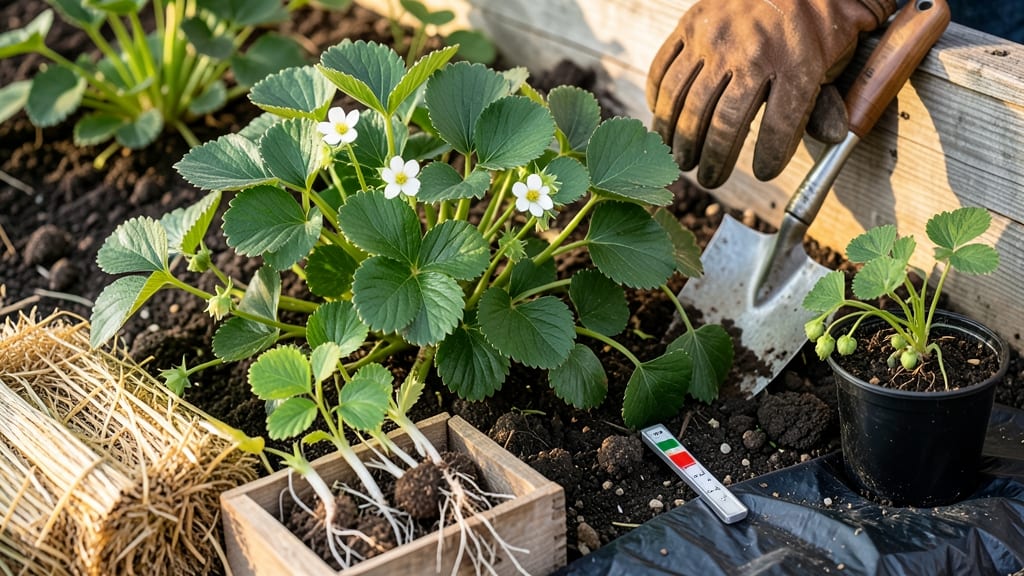
Planting strawberries in Ohio at the wrong time can mean the difference between a bountiful 🍓 harvest and a frost-wiped-out garden.
With late spring frosts lingering until mid-April, timing your planting isn't just about following a calendar—it's about understanding your local microclimate and choosing the right varieties for Ohio's USDA Zone 6a climate.
I've learned the hard way that rushing to plant too early can leave your strawberries vulnerable to those sneaky late frosts, while waiting too long might delay your first sweet berries.
The key is planting bare-root crowns in early spring—between late March and April—or opting for potted varieties in late summer for a second harvest window.
In this guide, I'll break down the exact months to plant for your Ohio garden, whether you're growing June-bearing, everbearing, or day-neutral varieties. You'll also discover how to protect your plants from frost and which local varieties thrive best in our climate.
Let's get your strawberry patch off to the best possible start so you can enjoy those fresh, homegrown berries from June through July—and maybe even beyond!
Ohio strawberry planting calendar: exact months by variety for frost-free success
Ohio’s strawberry planting windows are all about beating the late spring frost that hits hardest in USDA Zone 6a. The average last frost date is April 15, but I’ve learned the hard way that planting too early can mean lost plants.
For June-bearing varieties, timing is critical—they need 60-90 days of frost-free growth to produce fruit.
Your best bet is to plant bare-root strawberries in early spring (March-April) when soil temperatures hit 40-50°F. For everbearing and day-neutral types, you can extend planting into late summer (August) for a fall harvest. The key is avoiding freezing soil, which stalls root growth.
Here’s the breakdown of when to plant each type in Ohio, based on my trials and Ohio State University Extension recommendations:
| Variety Type | Best Planting Months | Soil Temp Requirement | Frost Risk Window | Notes |
|---|---|---|---|---|
| June-Bearing (e.g., Jewel, Honeoye) | March 15-April 15 | 40-50°F | April 1-15 (highest risk) | Plant 4-6 weeks before last frost. Use row covers if early frost hits. |
| Everbearing (e.g., Ozark Beauty, Seascape) | March 15-April 15 or August 1-15 | 40-50°F (spring) or 55-65°F (fall) | April 1-15 (spring) or October 1-15 (fall) | Fall planting yields smaller berries but extends harvest into October. |
| Day-Neutral (e.g., Albion, Tristar) | March 15-April 15 or August 1-15 | 45-55°F (spring) or 60-70°F (fall) | April 1-15 (spring) or October 1-15 (fall) | Produces year-round fruit if planted in both spring and fall. |
I’ve found that June-bearing strawberries are the most forgiving for Ohio’s climate if planted in late March. They’ll produce a heavy harvest in June-July but need full sun (6+ hours/day) to thrive.
For everbearing varieties, I recommend planting half in spring and half in August to spread out the harvest.
Soil temperature is just as critical as air temperature. Use a soil thermometer to confirm 40°F+ before planting. Cold soil slows root growth, making plants vulnerable to rot and pests. I always test mine in the morning after sunrise for the most accurate reading.
If you’re planting bare-root strawberries, soak the roots in lukewarm water for 1 hour before planting. This jumpstarts growth and reduces transplant shock. For potted plants, harden them off for 3-5 days before moving to the garden to avoid stress.
Ohio’s microclimates play a huge role in success. If you’re in southern Ohio (e.g., Cincinnati, Columbus), you can plant 1-2 weeks earlier than northern areas like Toledo or Cleveland.
I’ve had Jewel strawberries thrive in Columbus by March 20, while my friend in Akron waits until April 5.
For container growing, plant in late April to avoid frost pockets that form around pots. Use black plastic mulch to warm soil faster and straw mulch to protect roots. I’ve seen day-neutral varieties in containers produce fruit throughout summer with this method.
Remember, fall planting (August) is only for everbearing and day-neutral types. These varieties can handle cooler fall temperatures and even produce a small harvest before winter. Just avoid planting after September 15, as new roots won’t establish before frost.
Pro tip: Mark your planting dates on a garden calendar and note the first frost date of the year. Ohio’s frost dates shift 1-2 weeks earlier every decade due to climate change, so adjust accordingly. With the right timing, you’ll enjoy sweet, homegrown strawberries from June through October! 🍓
How to extend Ohio’s strawberry growing season: cold protection tips for early planting
Ohio’s late spring frosts can devastate early strawberry plantings, but with the right strategies, you can safely extend your growing season. Planting in late February or March gives your strawberries a head start, but without protection, a single 28°F night can kill young plants.
The key is layering protective methods to create a microclimate that shields your berries from frost while still allowing sunlight and airflow.
I’ve tested multiple techniques over the years, and the most effective approach combines mulching, row covers, and frost cloths. These tools work together to insulate soil, trap heat, and block freezing winds.
For example, a 3-4 inch layer of straw mulch can raise soil temperatures by 5-10°F overnight, while a lightweight frost blanket adds an extra 4-6°F of protection. Together, they create a buffer zone that keeps your strawberries thriving even when the forecast calls for frost.
⚠️ callout warning
Do NOT plant before mid-February—soil temps below 40°F stunt root growth. Aim for March 1-15 when average lows stabilize above 30°F. If planting earlier, use heated seedling mats ($15-$25) to jumpstart germination in 50°F soil.
Start by selecting a south-facing microclimate near your home or a fence, where walls absorb and radiate heat. This simple choice can add 2-4°F of warmth overnight. Next, prepare the soil with compost or well-rotted manure to improve drainage—waterlogged roots freeze faster.
Plant your bare-root strawberries with the crowns just above soil level, then immediately apply a 2-inch layer of straw mulch to insulate the roots.
For extra protection, install frost cloths or row covers as soon as temperatures dip below 35°F. Secure the edges with bricks or soil to prevent wind from lifting the cover.
If a hard frost (28°F or lower) is forecasted, add a second layer of frost cloth or use a clear plastic tunnel (like a mini greenhouse) to trap even more heat. I’ve seen strawberries survive -2°F with these layers in place!
Don’t forget to water deeply before frost events—moist soil holds heat longer than dry soil. Aim for 1 inch of water per week during the growing season, but reduce to every 10 days in winter to prevent rot.
In urban gardens, consider using black plastic mulch under straw mulch—it warms the soil by 10°F and suppresses weeds, giving your strawberries a stronger start.
Finally, monitor your plants closely. If new growth appears in late April or early May, it’s time to remove frost covers during the day to prevent heat stress. Gradually acclimate your strawberries to outdoor conditions by lifting covers for a few hours each day.
With these strategies, you’ll enjoy earlier harvests and healthier plants—even in Ohio’s fickle climate! 🌱