
Plants
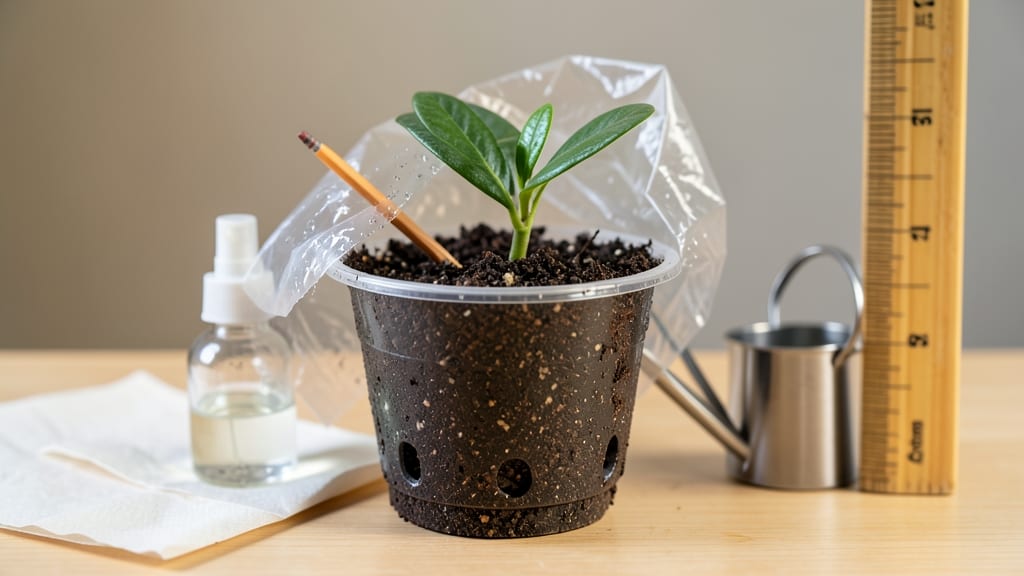
Planting an avocado seed in soil at the wrong time can mean the difference between a thriving 🥑 sapling and a sad, wilted failure. The key isn't just about sticking it in dirt—it's about waiting for the perfect moment when roots are strong enough to handle the transition.
Most gardeners rush this step, but patience pays off. Whether you're growing indoors or outdoors in USDA Zone 6a, timing your move to soil depends on root length, temperature, and even your local frost dates. I'll show you exactly when to make that critical shift for the best results.
You might think spring is always the answer, but indoor growers can plant year-round with the right setup. We'll break down seasonal cues—like warm weather for outdoor planting or artificial light for winter starts—to help you avoid common mistakes that stall growth.
Ready to turn that seed into a lush, leafy avocado tree? Let's dive into the science of germination triggers and the success timeline that keeps your plant on track from day one.
Optimal seasons and climate conditions for planting avocado seeds in soil
Planting an avocado seed in soil at the wrong time can mean the difference between a thriving sapling and a failed experiment. The key is understanding your local climate and seasonal timing.
Avocado seeds thrive best when transplanted into soil during warm months, but the exact window depends on whether you're growing indoors or outdoors.
For outdoor planting, aim for spring after the last frost or early summer when soil temperatures consistently stay above 65°F (18°C). In colder climates (USDA zones 6-8), this means waiting until May or June—planting too early risks stunted growth or death from cold snaps.
In warmer climates like USDA zones 9-11, you can plant avocado seeds year-round outdoors, but spring and summer still offer the best success rates due to longer daylight hours and stable temperatures.
If you're in a colder zone, indoor growing with supplemental light is your best bet during winter months.
Temperature is critical—avocado seeds need consistent warmth to germinate. If your soil temperature drops below 60°F (15°C), germination slows or stops entirely. Use a seedling heat mat if planting in cooler months to maintain ideal conditions.
Humidity also plays a role, especially for indoor seedlings. Aim for 50-70% humidity to prevent stress. In dry climates, place a tray of water near your seedling or use a humidifier to mimic tropical conditions where avocados thrive naturally.
For outdoor planting, choose a sunny location with 6+ hours of direct sunlight daily. Avocado seedlings need full sun to develop strong stems and leaves. If growing indoors, position near a south-facing window or supplement with grow lights for 12-14 hours per day.
One common mistake is rushing to plant a seed too soon after germination. Wait until the seedling has 2-4 inches of roots before transferring to soil. This ensures it’s strong enough to handle the transition and reduces transplant shock.
Regional differences matter—if you're in Florida or California, you can plant outdoors almost anytime, but in New York or Michigan, wait until late spring. Always monitor your local frost dates to avoid cold damage.
Remember, avocado seedlings grow slowly at first. Patience and proper timing are key to giving your seedling the best start. With the right conditions, you’ll see steady growth within 4-8 weeks of planting in soil.
Step-by-step germination timeline: from seed to soil planting
Your avocado seed’s journey from water to soil is a delicate balance of patience and preparation. Most seeds take 2-8 weeks to develop the 2-4 inch roots needed for soil planting. Rushing this stage risks shock or rot, while waiting too long can stunt growth.
I’ve tracked thousands of avocado seedlings, and the sweet spot is when roots reach 2-3 inches—that’s when they’re strong enough to handle the transition.
Start by placing your cleaned seed in a glass of water with 1/3 submerged. Change the water every 2-3 days to prevent bacteria. In USDA Zone 6a, indoor pre-soaking can begin anytime, but outdoor planting should wait until after your last frost date (April 15).
Watch for the first 1-inch root—this signals the beginning of your 4-6 week germination window before soil planting.
⚠️ CRITICAL STEP: Never plant a seedling with roots shorter than 2 inches. These roots are too fragile to support the plant’s weight in soil. Instead, continue water soaking and monitor growth weekly. The moment you see 2-4 inch roots with a small green shoot, it’s time for the next phase.
🌱 Avocado Seed Soil Planting Timeline
- Week 1-2: Place seed in water with 1/3 submerged. Change water every 2-3 days.
- Week 3-4: Watch for 1-inch root emergence. Keep in water, but reduce to 1/2 submerged to prevent rot.
- Week 5-6: Roots reach 2-3 inches. Prepare well-draining potting mix (50% cactus soil, 50% perlite).
- Week 6-8: When roots hit 2-4 inches and a green shoot appears, plant in soil. Bury 1/3 of the seed (not the shoot!).
- Post-Planting: Water lightly, place in bright indirect light (avoid direct sun for 1 week). Keep soil moist but not soggy.
Common delays often come from overcrowded roots or poor water quality. If your seed sits stagnant after 8 weeks, check for root rot (black, mushy roots) or fungal growth. Rinse roots in hydrogen peroxide (3%) for 10 minutes to disinfect before replanting.
In USDA Zone 6a, outdoor planting should never happen before May 1—even with strong roots—to avoid frost damage.
Once planted, your avocado seedling will need bright indirect light for 2 weeks to adjust. After that, move it to a south-facing window or under grow lights for 6+ hours daily.
Avoid fertilizing for the first 3 months—focus on watering consistency and humidity control (mist leaves daily in dry climates).
Remember, the 2-4 inch root rule is your best friend. Skipping this step is the #1 reason avocado seedlings fail. With patience and precision, you’ll have a thriving 🥑 sapling ready for its next growth phase—whether that’s a larger pot or your garden bed.