
Planting
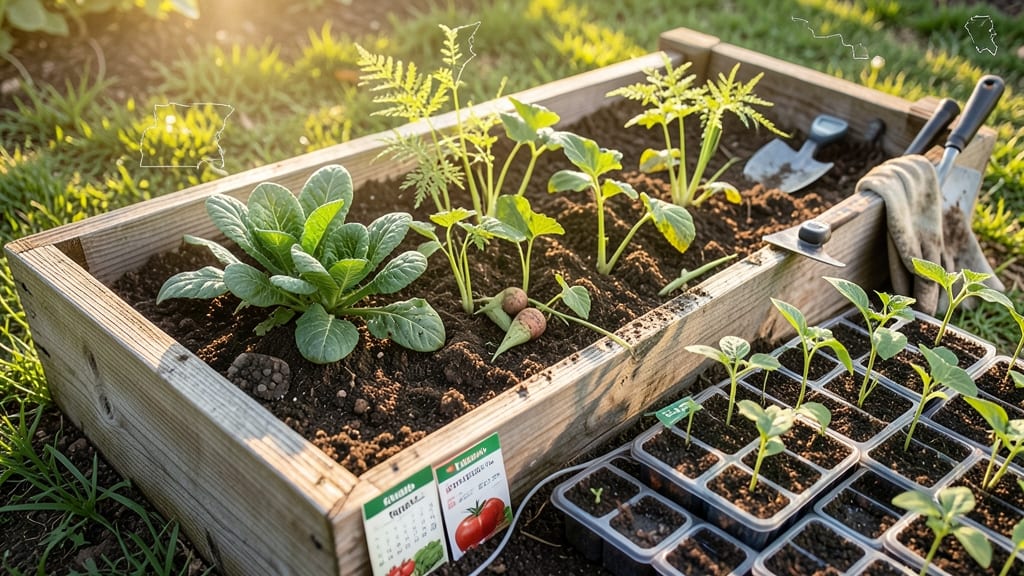
Planting your garden at the wrong time in Georgia can mean the difference between a fast, thriving harvest and a frustrating wait for seeds to even sprout.
With the right soil temperature triggers, you can skip the guesswork and get your 🌱 General Garden Plants off to a flying start—whether you're in the Piedmont, coastal plains, or mountain regions.
Georgia's 7a-8b climate zones give you two prime planting windows: spring (late February to early April) and fall (late July to early September). But timing isn't just about the calendar—it's about when the soil warms up to the perfect degrees for your specific plants.
Get this wrong, and you might end up with slow germination or plants that struggle to take root.
I’ve tested the best methods to track soil warmth, from using a simple thermometer to reading nature’s cues like blooming plants. These tricks help you plant when your General Garden Plants will germinate in just 5-7 days instead of weeks. Ready to turn your garden into a high-speed growing machine?
In this guide, I’ll break down the exact soil temperatures you need for everything from leafy greens to tomatoes, plus region-specific adjustments so you never plant too early or too late. Let’s make this your fastest, most successful growing season yet.
Georgia planting zones by month: soil temperature triggers for fast germination
Georgia’s diverse climate—spanning USDA zones 7a to 8b—means your planting schedule should shift based on soil temperature, not just calendar months. Cool-season crops like lettuce and peas thrive when soil hovers around 40–50°F, while warm-season favorites like tomatoes and peppers need at least 60–70°F to germinate.
Ignoring these triggers can delay harvests by weeks—or worse, kill seedlings before they sprout.
In Zone 7a (northern Georgia), frost lingers until mid-March, while Zone 8b (southern Georgia) enjoys frost-free soil by early February. This means your neighbor’s planting timeline might not work for you.
Instead of guessing, use soil temperature as your guide—it’s the most reliable predictor of success for fast germination and robust growth.
The summary table below breaks down ideal planting windows by month, including soil temperature thresholds for cool-season vs. warm-season crops. Bookmark this for your Georgia garden planning—it’s the secret to beating heat stress and bolting in spring greens!
Notice how Zone 8b gardeners can start 4–6 weeks earlier than those in Zone 7a? That’s why I always check soil temps before planting—even if my neighbor says “it’s time.”
For example, tomatoes planted in April in Zone 7a might rot in cold soil, while the same seeds sprout instantly in March in Zone 8b. Use a soil thermometer ($10 at garden centers) to avoid costly mistakes.
Pro tip: Mulch with straw or black plastic to warm soil faster in spring. I’ve seen 5–7°F differences in soil temps just by covering beds a week before planting.
This trick is especially useful for slow-warming zones like 7a, where cool nights delay germination. Pair it with row covers for extra insulation during March–April plantings.
For fall gardens, aim to plant cool-season crops by mid-September in Zone 7a and early August in Zone 8b to avoid early frosts. I once lost an entire kale harvest because I planted too late—now I set reminders for soil temp drops below 50°F.
Use frost blankets to extend harvests into November if your zone allows.
Native Georgia plants like collard greens and Southern peas are heat-tolerant and adaptable, making them ideal for beginners. They germinate at 55–60°F, so they’re perfect for late spring or early fall plant
Best vegetables to plant in Georgia by season: avoid these common mistakes
Georgia’s two growing seasons—spring and fall—offer perfect opportunities for a bountiful vegetable harvest, but timing is everything. Planting sweet potatoes too early or leaving frost-sensitive greens in the ground past their prime are classic mistakes that can ruin your garden.
I’ve learned the hard way that even a few weeks off can mean the difference between a thriving garden and wasted effort.
For spring planting, focus on cool-season crops like broccoli and spinach as soon as the soil warms to 45°F—but don’t rush! Waiting until mid-March ensures your seeds won’t rot in cold, damp soil.
In the fall, tomatoes and peppers thrive when planted in late July, giving them time to mature before the first frost hits in November.
One of the biggest mistakes I see is overwintering frost-sensitive greens like lettuce or kale. These plants can survive light frosts, but a hard freeze will turn them to mush. Instead, harvest them before temperatures drop below 25°F, or use row covers to protect them through winter.
⚠️ callout warning ⚠️
🚨 Common Planting Mistakes in Georgia
- Planting sweet potatoes too early – They need soil temps of 70°F+ to germinate. Wait until mid-May in most regions.
- Ignoring soil temperature – Seeds won’t sprout if the ground is too cold. Use a soil thermometer to check before planting.
- Skipping succession planting – Instead of one big planting, sow lettuce or radishes every 2 weeks for continuous harvests.
- Overcrowding seedlings – Thin out carrots and onions early to prevent competition for nutrients.
Pro Tip: Mark your calendar for last frost dates—Georgia’s ranges from mid-March (coastal) to early April (mountains).
To extend your harvests, try succession planting with fast-growing crops like bush beans or radishes. Sow a new batch every 2 weeks, and you’ll have fresh produce for months.
Another trick? Use mulch to keep soil warm longer in spring or cool it down in summer, giving your plants the ideal growing conditions.
Don’t forget about heat-tolerant varieties like Okra or Southern peas, which thrive in Georgia’s summer heat. These plants need soil temps above 80°F, so wait until June to plant them.
For fall crops, opt for cold-hardy greens like collards or turnips, which can handle light frosts and even improve in flavor after a freeze.
By avoiding these common mistakes and adjusting your planting schedule based on soil temperature, you’ll enjoy a garden that’s productive, healthy, and full of flavor. Start with the top 10 Georgia-friendly crops, and soon you’ll be harvesting like a pro—no guesswork required! 🌱