
Plants
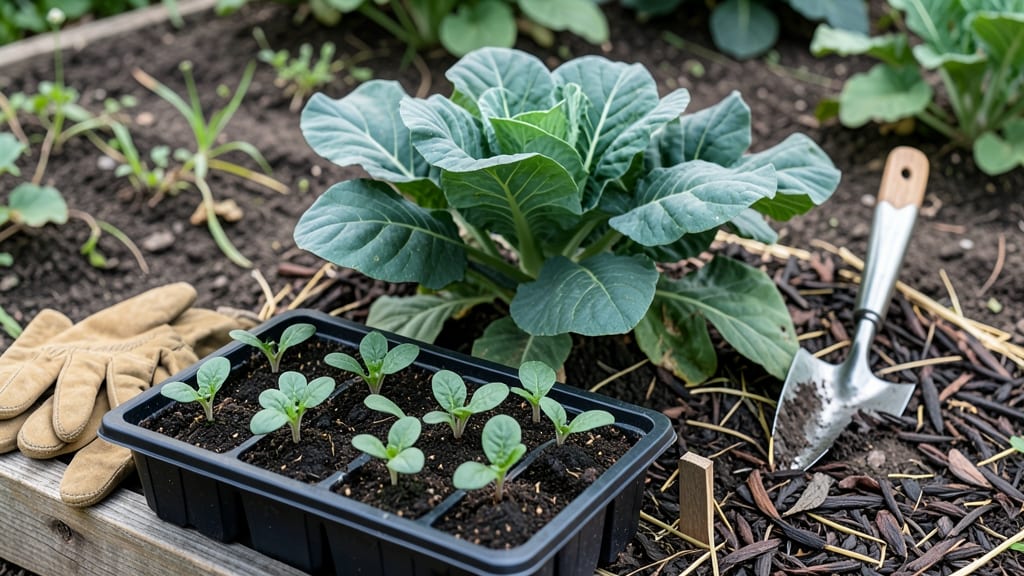
Planting collard greens at the wrong time in South Carolina can turn your garden into a bitter disappointment instead of a sweet harvest. The key to lush, flavorful collards 🌱 lies in understanding your exact heat zone and when the soil is ready for these cool-season powerhouses.
Most gardeners in SC know fall is the prime window for collards, but did you realize spring planting can work too—if you time it just right?
With our mild winters and long growing season, you've got two chances to grow these nutrient-packed greens, but getting the timing wrong means tough leaves instead of tender ones.
I'll show you exactly when to plant in each of SC's heat zones, from the coastal areas to the Piedmont region.
You'll learn how to prepare your soil, when to start seeds indoors, and how to stretch your harvest through succession planting—so you're eating fresh collards from summer straight through winter.
Whether you're a first-time gardener or a seasoned green thumb, these heat zone-specific tips will help you grow collards that are sweeter, healthier, and ready to harvest when you need them most. Let's get your garden on the right schedule!
South Carolina heat zones: how they affect collard green planting times
South Carolina’s USDA heat zones 7b through 8b create perfect conditions for growing collard greens, but timing your planting correctly ensures sweet, tender leaves instead of bitter ones.
The mild winters and long growing season let you plant twice a year, but each heat zone has slightly different frost dates and ideal planting windows.
Most of South Carolina falls into zones 7b (colder winters) and 8b (warmer winters), with coastal areas leaning toward 8b. These zones experience average last frost dates between mid-March and early April and first frost dates from mid-November to early December.
Understanding these dates helps you plan for the two best planting windows—fall and spring.
Here’s how each zone affects your collard green planting schedule, including optimal transplant dates and direct sowing windows. Use this guide to align your planting with your local climate for maximum yield.
🌱
| Heat Zone | Last Frost Date | First Frost Date | Fall Planting Window | Spring Planting Window | Ideal Soil Temp |
|---|---|---|---|---|---|
| 7b (Upstate SC) | Mid-March | Early December | Late July - Early Sept | Early April - Mid-May | 55-65°F |
| 8a (Midlands SC) | Early April | Mid-November | Early August - Mid-Sept | Late March - Early June | 60-70°F |
| 8b (Coastal SC) | Late March | Late November | Mid-July - Late Sept | Early April - Late May | 65-75°F |
In zone 7b, where winters are slightly colder, you’ll want to start fall transplants by late July to give plants time to establish before cooler weather sets in. Spring planting should begin after the last frost, around early April, but avoid planting too late—May heat can cause bolting.
For zone 8a, the Midlands, you have a longer window for fall planting, starting as early as early August. This zone benefits from warmer soil temperatures longer into the season, allowing for a second harvest before frost.
Spring planting can begin as early as late March, but wait until soil warms to avoid stunted growth.
Coastal zone 8b gardeners enjoy the longest growing season, with fall planting possible until late September. The milder winters mean you can even experiment with winter harvests using row covers.
Spring planting here can start as early as early April, but focus on transplants rather than direct sowing to avoid heat stress.
To check your exact heat zone, use the USDA Plant Hardiness Zone Map or local extension service data. Even within zones, microclimates (like hillsides or low-lying areas) can shift frost dates by 1-2 weeks.
For example, Charleston’s coastal zone 8b may experience frost 2 weeks later than inland areas just 20 miles away.
Adjust your planting schedule by 1-2 weeks earlier if you’re in a warmer microclimate or 1-2 weeks later for cooler spots. Always monitor soil temperatures—collard greens thrive in 55-75°F soil, and planting too early in cold soil can stunt growth.
🌿
Once you’ve nailed down your heat zone and planting window, focus on soil preparation. Collard greens prefer well-draining, slightly acidic soil (pH 6.0-7.0). Amend your soil with compost or aged manure 2-3 weeks before planting to ensure nutrients are available.
In zone 7b, where winters are cooler, add a 2-inch layer of mulch after planting to protect roots from freeze-thaw cycles.
In
Step-by-step fall planting timeline for maximum yield in SC
Fall is the perfect season to grow collard greens in South Carolina, where cooler temperatures bring out their sweetest flavors. Unlike spring, fall planting avoids the heat stress that can make collards bitter, and our mild winters let you harvest well into winter.
The key is starting at the right time—typically 6-8 weeks before your first frost, which varies by SC heat zone.
For Zone 7b (Piedmont), aim for mid-August to early September, while Zone 8a (coastal areas) can plant until late September. Transplants give you a head start, but direct sowing works too if you start early.
I’ll walk you through every step, from soil prep to harvest, so your collards grow fast and flavorful.
📅 Fall Collard Planting Timeline for SC
- Late July - Early August: Soil Prep – Test soil pH (aim for 6.0-7.0) and amend with compost or aged manure. Remove weeds and loosen soil to 12 inches deep for root growth.
- Mid-August (Zone 7b) / Late August (Zone 8a): Start Transplants Indoors – Sow seeds 4-6 weeks before outdoor planting in trays with well-draining mix. Keep under grow lights or bright windowsill.
- Early September (Zone 7b) / Late September (Zone 8a): Direct Sow or Transplant – Space seeds 18 inches apart in rows 2 feet apart, or transplant hardened-off seedlings. Mulch with straw to retain moisture.
- October: Fertilize & Water – Apply balanced fertilizer (5-10-10) when seedlings are 4-6 inches tall. Water deeply 2-3 times per week—morning is best to prevent disease.
- November - December: Harvest & Succession Plant – Harvest outer leaves first to encourage regrowth. For a winter harvest, sow hardy varieties like 'Georgia Southern' in late October.
- Companion Plants: Boost Growth – Plant bush beans or radishes nearby to improve soil nitrogen. Avoid planting near tomatoes or peppers, which compete for nutrients.
Don’t overlook companion planting—collards pair beautifully with onions, garlic, or carrots, which deter pests like cabbage worms. If you notice yellowing leaves, it’s often a sign of clubroot disease, so rotate crops next year and avoid waterlogging.
For maximum yield, succession plant every 2-3 weeks after your initial sowing. This ensures a continuous harvest from fall through winter. In Zone 8a, you might even get a second crop in spring if you protect young plants with row covers during cold snaps.
With this timeline, your collards will be ready to harvest in 60-75 days, delivering tender, sweet leaves perfect for sautéing or freezing. Happy planting—your garden (and taste buds) will thank you! 🌿