
Planting
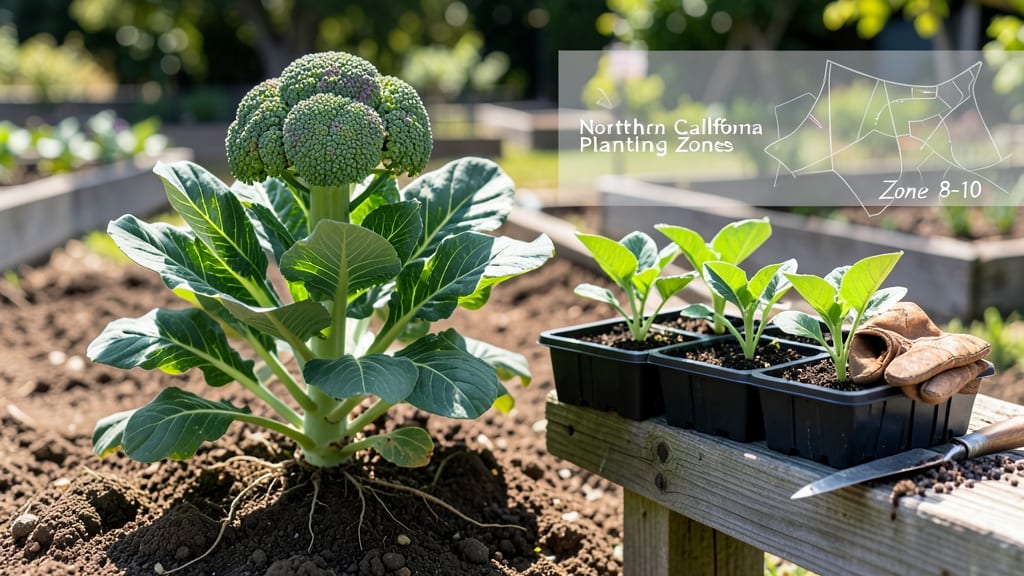
Planting your vegetable garden 🌱 at the wrong time in Northern California can mean the difference between a thriving harvest and wasted effort. With microclimates ranging from foggy coastal areas to hot inland valleys, timing isn't just about the calendar—it's about understanding your specific USDA zone and local frost patterns.
In zones 8a-9b, where I've spent years growing everything from tomatoes to carrots, I've learned that cool-season crops like lettuce and peas thrive when planted as early as February, while warm-season favorites like peppers and squash need to wait until April or later.
The key is knowing when to start seeds indoors versus direct-sowing outdoors.
This guide will break down the exact planting windows for your region, whether you're in the Bay Area's coastal fog or the Central Valley's heat. You'll discover how to adjust for late frosts, extended summers, and everything in between—so you can maximize your garden's potential year-round.
Ready to grow a garden that actually produces? Let's dive into the science and secrets of Northern California's planting calendar, tailored to your microclimate. Your harvest will thank you.
Northern California planting calendar by USDA zone: coastal vs. inland vs. valley timelines
Northern California’s USDA Zones 8-10 create a gardening paradox: you can grow year-round, but timing still matters. Coastal areas like San Francisco (Zone 9b) enjoy mild winters, while inland Sacramento (Zone 9a) and Central Valley (Zone 10a) experience hotter summers.
These microclimates shift planting windows by 4-6 weeks. For example, lettuce thrives in coastal winter months (Dec-Feb), but inland gardeners wait until October-November to avoid summer bolting.
Your last frost date is the golden rule: coastal zones rarely see frost after January 15, while inland areas may experience light frosts until March 1.
Warm-season crops like tomatoes and peppers need soil temps above 60°F (15°C)—coastal gardeners plant in March-April, while inland gardeners wait until April-May to avoid heat stress. Even frost-tolerant kale benefits from staggered planting: coastal gardeners sow in September-October, while inland gardeners start in August.
| Microclimate | USDA Zone | Cool-Season Start | Warm-Season Start | Key Adjustments |
|---|---|---|---|---|
| Coastal (SF, Marin, Monterey) | 9a-9b | Feb-Mar (outdoor) Oct-Nov (fall crops) |
Mar-Apr (peppers, tomatoes) Aug-Sept (late summer) |
Use row covers for frost protection Extend harvest with cold frames |
| Inland (Sacramento, Stockton) | 9a-10a | Oct-Nov (fall) Feb-Mar (spring) |
Apr-May (tomatoes, corn) July-Aug (late crops) |
Mulch heavily to retain moisture Avoid planting heat-sensitive crops in June |
| Valley (Fresno, Madera) | 10a | Aug-Sept (fall) Dec-Jan (winter) |
Mar-Apr (spring) Sept-Oct (fall) |
Use shade cloth for summer crops Drip irrigation essential |
Let’s break down the month-by-month essentials for each microclimate. In coastal zones, February-March is prime for broccoli, cabbage, and peas—plant these 4-6 weeks before last frost. Inland gardeners skip winter planting entirely and focus on late summer crops like carrots and beets for fall harvests.
My Central Valley garden thrives with July-August plantings of okra and sweet potatoes, which bolt in cooler coastal climates.
For warm-season staples, timing shifts dramatically. Coastal gardeners can plant tomatoes in March, but inland gardeners wait until mid-April to avoid 30°F (1°C) nighttime temps that stunt growth.
Pro tip: use soil thermometers—coastal soil hits 60°F (15°C) by early March, while inland soil may need until May. Even cucumbers, which love heat, struggle in coastal summer fog—plant them in June-July for best results.
Northern California’s fall planting window is where microclimates truly diverge. Coastal gardeners enjoy October-December harvests of spinach and radishes, while inland gardeners focus on August-September plantings for winter squash.
My Sacramento garden produces kale year-round by staggering plantings: August, October, and January. This succession planting strategy prevents bolting and ensures continuous harvests.
Don’t overlook microclimate-specific tools. Coastal gardeners rely on frost blankets for December plantings, while inland gardeners use shade cloth to protect June crops from 100°F (38°C) heat.
Even watering schedules differ: coastal soils stay moist longer due to fog drip, while inland gardens need drip irrigation to prevent evaporation. Test your soil’s moisture retention—coastal gardeners may water every 5-7 days, while inland gardeners water daily in summer.
For organic gardeners, timing affects compost and mulch strategies. Coastal zones benefit from winter mulching (apply in November) to protect overwintering crops, while inland gardeners prioritize summer mulch (apply in June) to suppress weeds.
My compost tea applications shift too: coastal gardens get a boost in February, while inland gardens need it in April to kickstart growth.
Remember: local nurseries are your best resource. Ask about heirloom
How to adjust planting times for Northern California’s unique microclimates
Northern California’s microclimates create challenges and opportunities for gardeners. In Marin County, persistent coastal fog can delay soil warming, while the Central Valley experiences intense summer heat that requires early planting.
Even Sierra foothills areas face cooler temperatures and shorter growing seasons. Understanding these variations lets you fine-tune planting schedules for optimal results.
For example, lettuce and peas thrive in cooler coastal areas as early as February, but the same crops in the Sacramento Valley may need to wait until March to avoid bolting.
Meanwhile, tomatoes and peppers planted too early in hot zones risk transplant shock, while high-elevation gardens benefit from staggered planting to beat early frosts.
- Coastal Fog Zones (e.g., Marin, Sonoma): Start cool-season crops in February with row covers to protect from chilly nights. Use cold frames to extend fall harvests until December.
- Central Valley Heat Zones (e.g., Sacramento, Stockton): Plant warm-season crops like okra and sweet potatoes by April 15 to avoid summer stress. Use shade cloth for seedlings during peak heat.
- High-Elevation Foothills (e.g., Sierra Nevada base): Wait until May 1 for tomatoes and peppers to ensure soil warmth. Practice succession planting every 2 weeks to maximize short seasons.
- Urban Microclimates (e.g., Oakland, Berkeley): Combine container gardening with season extenders to grow basil and cucumbers year-round in sheltered spots.
- All Regions: Monitor local frost dates and adjust planting by 2-4 weeks if your area experiences delayed warming or early cold snaps.
One of my favorite tools for fog-prone areas is floating row covers. These lightweight fabrics let sunlight through while trapping heat, allowing me to plant spinach and kale in January when coastal temperatures might otherwise be too cold.
Simply drape the cover over seedlings and secure the edges with bricks or soil.
In hotter inland areas, I rely on drip irrigation combined with mulch to keep soil moisture consistent. This prevents the soil from drying out too quickly after planting warm-season crops like eggplant and okra.
A 2-3 inch layer of straw or wood chips works wonders for retaining moisture and suppressing weeds.
For high-elevation gardens, I’ve found that succession planting is non-negotiable. Instead of planting all your carrots or radishes at once, I sow small batches every 2 weeks from April through June.
This ensures a steady harvest before the first frost hits in November. It also reduces the risk of losing an entire crop to unpredictable weather.
Don’t forget to use local resources like the UC Master Gardener Program or Cooperative Extension offices for hyper-local advice. They often provide frost-free date maps and microclimate-specific planting guides that account for your exact neighborhood’s conditions.
With these adjustments, you can turn Northern California’s diverse climates into advantages rather than obstacles. 🌱