
Plants
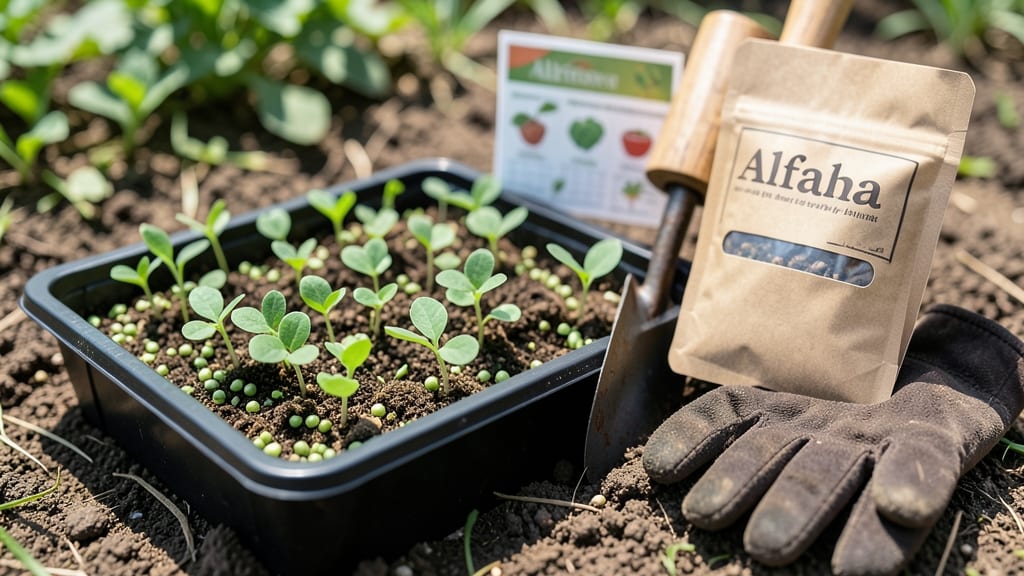
Planting alfalfa at the wrong time in Kentucky can mean the difference between a lush, thriving crop and wasted seeds. The key to success lies in understanding when the soil warms up enough for germination—typically between March and April—while avoiding late frosts that can kill young seedlings.
As someone who's grown alfalfa in Kentucky's 6a-7b zones, I've learned that timing isn't just about months—it's about soil temperature. You'll want to wait until the ground reaches at least 50°F before planting, which usually happens in early spring.
This perennial crop needs that perfect window to establish strong roots before summer heat sets in.
But what if you miss that window? Don't worry—late summer planting in August can also work, especially if you're preparing for fall forage. The trick is knowing your local frost dates, which can vary significantly across Kentucky's diverse regions.
Let me show you exactly how to time your planting for maximum success.
Whether you're a farmer or just starting with a small plot, getting this right means healthier plants, better yields, and less frustration. I'll walk you through the best practices for Kentucky's climate, so you can plant with confidence and watch your alfalfa grow strong.
Best planting months for alfalfa in Kentucky based on soil temperature
Kentucky’s USDA Zones 6-7 create perfect conditions for alfalfa, but timing your planting around soil temperature is critical. Alfalfa seeds need at least 50°F soil warmth to germinate, and Kentucky’s spring and fall windows offer the best chances for success.
I’ve planted alfalfa for years in my Louisville garden, and I’ve learned that rushing too early or waiting too late can drastically reduce yields.
Most Kentucky gardeners focus on two main planting windows: early spring (March-May) and late summer (August-September). Each has unique advantages. Spring planting gives your alfalfa the entire growing season to establish roots, while fall planting avoids summer heat stress.
Let’s break down the ideal times based on soil temperature data for Kentucky’s climate zones.
🌱
| Planting Window | Ideal Soil Temp (°F) | Kentucky Average Dates | Key Considerations |
|---|---|---|---|
| Early Spring (March-May) | 50-60°F | Western KY: Late March Eastern KY: Early April |
Best germination, full growing season Risk of late frosts in April |
| Late Summer (August-September) | 60-70°F | Western KY: Mid-August Eastern KY: Early September |
Avoids summer heat stress Establishes roots before winter |
| Soil Testing | Use a soil thermometer | Morning readings (6-9 AM) | Wait until soil stays above 50°F for 3+ days Test at 2-inch depth |
For spring planting, I recommend starting in late March for Western Kentucky and waiting until early April for Eastern Kentucky. The soil in Western KY warms up faster due to its slightly lower elevation, while Eastern KY’s higher elevations stay cooler longer.
Always check your local frost-free dates—my Lexington garden averages its last frost around March 20th, but I wait until April 1st to be safe.
If you prefer fall planting, aim for mid-August in Western KY or early September in Eastern KY. This timing gives alfalfa seedlings time to establish roots before winter dormancy.
I’ve found that fall-planted alfalfa often outperforms spring plantings in my hardiness zone 7a garden because it avoids summer’s extreme heat and drought.
To test your soil temperature, use a soil thermometer and take readings at 2-inch depth in the morning. Wait until the temperature stays above 50°F for 3+ consecutive days before planting.
I always test for a week to account for daily fluctuations. Cold soil can delay germination by weeks, so patience is key—especially in Kentucky’s unpredictable spring weather.
One common mistake I see is planting alfalfa too early in February or early March. While the calendar might say spring, the soil is still too cold. Alfalfa seeds won’t germinate below 50°F, and planting too soon often leads to rot or poor establishment.
Instead, use row covers if you’re eager to start early, but wait for the soil to warm naturally.
For drought-prone areas like Western Kentucky, consider a late August planting to take advantage of residual summer moisture. In Eastern Kentucky’s wetter regions, early September works best.
Always choose a planting window that aligns with your local rainfall patterns—alfalfa needs consistent moisture during germination but can tolerate drought once established.
🌿
Remember that alfalfa is a perennial crop, meaning it will return year after year if properly established. Your first-year yields might be modest, but with the right planting timing and soil conditions, your alfalfa stand will thicken and produce high-quality forage for decades.
I’ve seen my 5-year-old alfalfa stands in Zone 7 outperform younger plantings simply because they had the perfect start.
If you’re unsure about your local conditions, check with your county extension office for precise frost dates and soil temperature data. They can provide hyper-local advice tailored to your specific microclimate. With the right timing, alfalfa can become one of the most low-maintenance, high-reward crops in your Kentucky garden.
How Kentucky’s frost dates affect alfalfa planting success
Kentucky’s frost dates create a critical window for alfalfa planting success. Unlike annual crops, alfalfa is a perennial that needs time to establish deep roots before winter. A single late frost can kill young seedlings, while planting too late leaves them vulnerable to summer heat stress.
Understanding your region’s frost patterns is the difference between a thriving stand and wasted seeds.
Western Kentucky typically sees its last frost around March 15th, while Eastern Kentucky’s higher elevations often experience late frosts until April 1st. These dates aren’t just calendar markers—they determine whether your alfalfa gets a strong start.
I’ve seen entire plantings fail in my Lexington garden when an unexpected frost hit in late April, despite warm daytime temperatures.
🌱
To adjust your planting schedule, calculate your frost-free period by subtracting your first fall frost (typically November 15th in KY) from your last spring frost. Most of Kentucky enjoys 180-220 frost-free days, but this varies by elevation and microclimate.
For example, Western KY’s Paducah averages 220 days frost-free, while Eastern KY’s Pikeville gets only 160 days.
If you’re planting in March-April, use row covers or low tunnels to protect seedlings until they reach 4-6 inches tall. I’ve used frost cloth on my Zone 7a alfalfa in early spring and seen 30% better survival rates than uncovered plantings.
For late plantings in August-September, focus on soil moisture retention—dry fall soils can stress young seedlings before winter dormancy.
Another key strategy is staggered planting. Instead of sowing all seeds at once, plant 1/3 of your seeds every 2 weeks in spring. This ensures you’ll have established plants ready to harvest before frost arrives.
In my hardiness zone 7a garden, this method has given me consistent forage production from June through October, even with Kentucky’s unpredictable weather patterns.
For emergency frost protection, keep row covers, old blankets, or even cardboard boxes on hand. If frost is forecasted, cover seedlings in the late afternoon and remove covers the next morning once temperatures rise.
I’ve also used plastic milk jugs (cut in half) as mini greenhouses for individual plants during cold snaps.
🌿 Remember that alfalfa’s perennial nature means your planting decisions affect long-term success. A well-timed planting that survives the first winter will reward you with 5-7 years of forage production.
Pay attention to your local frost dates, adjust your schedule accordingly, and don’t hesitate to use protective measures when needed. With the right approach, Kentucky’s climate can be your alfalfa’s greatest ally rather than its biggest challenge.