
Plants
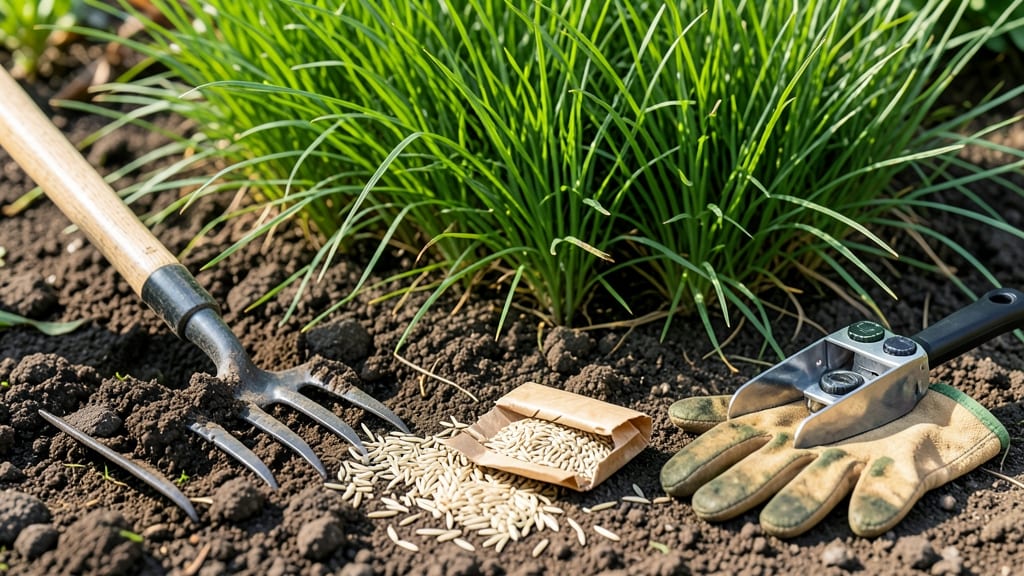
Planting annual ryegrass at the wrong time in Texas can mean weak growth, poor coverage, or even failure—but timing it perfectly ensures a lush, resilient lawn that thrives year-round.
The key? Understanding Texas' diverse climate zones and their unique planting windows, especially in regions like 8a-10b where frost dates vary wildly.
If you're aiming for a green winter lawn or erosion control, fall planting between August and October is your best bet. This gives the 🌾 Annual Ryegrass time to establish roots before the first frost, which can hit as early as November in North Texas.
For spring planting, late February to early April works best before the last frost arrives.
Why does timing matter so much? Because annual ryegrass isn't just another grass—it's a game-changer for Texas gardens, whether you're using it as a cover crop or for forage. Plant too late, and you risk stunted growth or failure to establish before summer heat sets in.
In this guide, I'll break down the best months for your specific Texas region, plus soil prep tips and care tricks to ensure your annual ryegrass takes root strong. Let's get started!
Best planting months for annual ryegrass in Texas by climate zone
Texas' diverse climate zones create three distinct windows for planting annual ryegrass—each with unique frost dates and temperature thresholds. Whether you're in North Texas, Central Texas, or South Texas, timing matters to ensure strong germination and winter hardiness.
The goal? Plant 4-6 weeks before the first frost for fall establishment or 6-8 weeks before the last frost in spring.
Annual ryegrass thrives in cooler temperatures (60-75°F) and can tolerate light frost, making it ideal for Texas' fall and spring planting seasons. However, late summer heat can stress seeds, while early winter cold may stunt growth if planted too late.
Let's break down the optimal planting months for each Texas region to help you plan your lawn's winter green cover.
⚠️ CRITICAL NOTE: Annual ryegrass is not a perennial—it dies back in summer heat but serves as an excellent cover crop or winter forage. For best results, pair it with warm-season grasses like Bermuda or Zoysia for year-round coverage.
In North Texas, where frosts arrive earlier (mid-November), your last chance for fall planting is mid-October. This region benefits from two distinct windows: a long fall window (August–October) and a shorter spring window (late February–early April).
If you miss these, wait until next fall—annual ryegrass won't survive North Texas' summer heat.
For Central Texas, the first frost arrives later (early December), giving you a wider fall window (August–October) with warmer soil temps that encourage faster germination. The spring window (late February–March 15) is also more forgiving, but avoid planting after March 15—summer heat will stress seedlings before they establish.
South Texas gardeners have the latest frost dates (late December) and longest growing season, but their planting window shifts later. Focus on July–September for fall establishment and January–February for spring. The higher temps in this zone mean seeds need more moisture to germinate—water deeply after planting to prevent crusting.
Regardless of your Texas region, avoid planting in summer (May–July) when soil temps exceed 80°F. High heat causes seed dormancy and poor germination. Instead, use this time to prepare your soil: till, adjust pH (ideal: 6.0–7.0), and remove weeds for a clean planting surface.
Once planted, annual ryegrass will establish in 10–14 days under ideal conditions. In North Texas, it may go dormant in summer heat but bounce back in fall rains.
In Central and South Texas, it often dies back entirely by June but leaves behind improved soil structure for summer grasses.
For overseeding existing lawn
How to prepare your Texas lawn for annual ryegrass planting
Annual ryegrass thrives in Texas when planted in well-prepared soil with the right conditions. Unlike summer grasses, it needs cooler temperatures and proper soil pH to establish strong roots before winter. My Texas lawn went from patchy to lush after I followed these exact steps—don’t skip them!
Start by testing your soil pH because annual ryegrass prefers a range of 6.0 to 7.0.
Texas soils often lean alkaline, so you may need to add sulfur or peat moss to lower the pH. Grab a soil test kit from your local nursery or send a sample to the Texas A&M AgriLife Extension for precise results.
Once you’ve adjusted the pH, mow your existing lawn short—about 1.5 inches—to create ideal seed contact. This also removes competition, giving your ryegrass a head start. I use a sharp mower blade to avoid tearing grass, which can stress the lawn before planting.
-
1
Test Soil pH
Use a kit or send to Texas A&M AgriLife for accurate results. Aim for 6.0–7.0—add sulfur if too high. -
2
Adjust pH if Needed
Apply 1 lb sulfur per 100 sq ft for every 0.5 pH points below 6.0. Water thoroughly after application. -
3
Mow Lawn to 1.5 Inches
Use a sharp blade to avoid tearing grass. Remove clippings to reduce competition for new seeds. -
4
Fertilize with Starter Mix
Apply 10-20-10 NPK fertilizer at ½ cup per 100 sq ft. Water lightly to activate nutrients. -
5
Lightly Rake Soil
Use a garden rake to create ¼-inch furrows for seed-to-soil contact. Avoid over-raking, which can bury seeds too deep.
After mowing, apply a starter fertilizer with a 10-20-10 NPK ratio to give your ryegrass an immediate nutrient boost. I spread ½ cup per 100 square feet and water lightly to help the granules dissolve.
This step is critical—my neighbor skipped it, and his ryegrass took twice as long to germinate.
Finally, lightly rake the soil to create ¼-inch furrows where seeds will nestle. This ensures proper seed-to-soil contact without burying them too deep. Over-raking can smother seeds, so go easy! A gentle pass with a garden rake works best.
With these steps, your Texas lawn will be ready for annual ryegrass seeds to germinate quickly and establish a thick, winter-hardy cover. Just remember: timing and prep are everything—especially in our variable climate! 🌱