
Trees
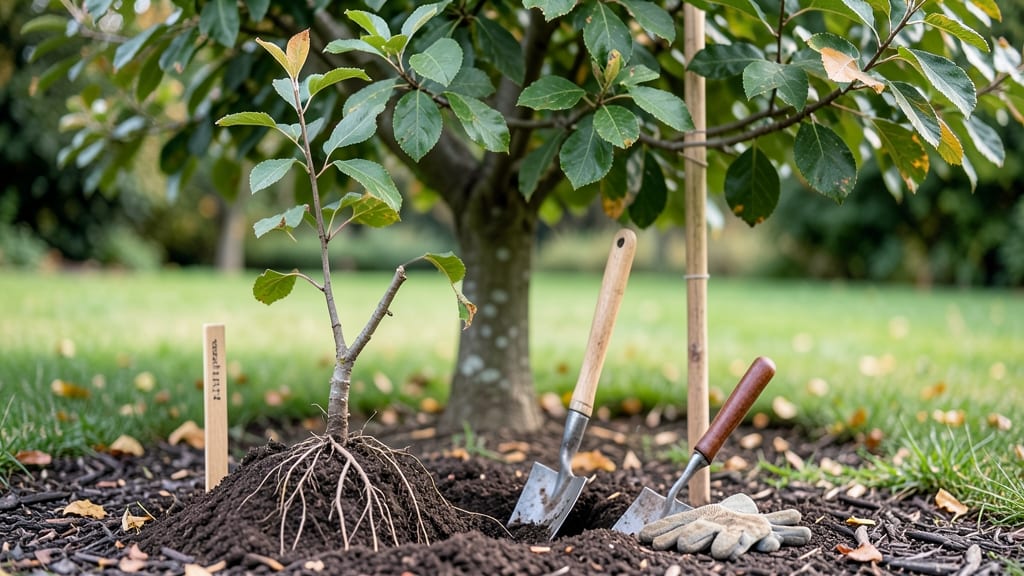
Timing your apple tree planting in England could mean the difference between a thriving orchard and struggling saplings. The best months to plant—late winter through early spring—align perfectly with your 🍎 tree’s dormant season, giving roots time to settle before summer’s heat.
But here’s the catch: rushing too early risks frost damage, while planting too late means roots won’t establish before winter’s chill. I’ll break down the ideal windows, regional differences (from milder southern England to colder northern zones), and how to prep soil for maximum success.
Whether you’re a first-time gardener or a seasoned grower, these insights will help you avoid common pitfalls—like overwatering in autumn or choosing the wrong variety for your climate. Let’s get your apple tree off to the best start possible.
Ready to dig in? You’ll learn exactly when to plant, how to adapt for your specific zone, and the care routines that make all the difference in the first critical year.
Best months to plant apple trees in England for optimal growth
Choosing the right time to plant an apple tree in England can make the difference between a thriving orchard and a struggling sapling. The UK’s temperate climate means timing must account for frost risks, soil temperatures, and regional variations between the warmer south and cooler north.
Most gardeners swear by autumn or early spring planting, but each season offers unique advantages—and pitfalls.
The Royal Horticultural Society (RHS) recommends planting bare-root apple trees in winter (November–March) when the tree is dormant. This allows roots to establish before spring growth begins.
However, container-grown trees can also be planted in late spring (May) without risking winter damage. The key is avoiding frost-prone periods when new roots are vulnerable.
| Season | Ideal Months | Climate Zone Fit | Root Establishment |
|---|---|---|---|
| Autumn | October–November | South: Oct–Nov North: Sep–Oct |
6–8 weeks before frost |
| Early Spring | February–March | All zones | Before bud break |
| Late Spring | May (container-grown only) | South: May North: Avoid |
Establish before summer drought |
For gardeners in southern England (e.g., London, Kent), autumn planting (October–November) is ideal because milder winters reduce frost risks. In these regions, soil stays workable longer, and trees have 6–8 weeks to establish roots before winter dormancy.
However, in northern England (e.g., Yorkshire, Scotland), planting should shift to September–October to avoid early frosts that can damage tender roots.
Spring planting (February–March) is a safer bet in colder regions because it avoids winter’s harshest conditions. The UK Met Office data shows that last frost dates vary widely—mid-April in the south but late May in the north.
Planting too early risks frost damage to new growth, while waiting too long may delay root establishment before summer heat arrives.
Container-grown apple trees offer flexibility for late spring planting (May), but only in warmer southern regions. These trees are less stressed when transplanted and can adapt to summer conditions more easily.
However, they require consistent watering and mulching to prevent soil drying. Avoid planting container-grown trees in northern England after April, as the growing season is shorter.
Soil temperature plays a critical role in root growth. For autumn planting, aim for soil temps above 10°C (50°F) to ensure roots can absorb moisture before dormancy. In spring, wait until soil reaches 7°C (45°F)—a simple soil thermometer can help gauge readiness.
Cold, waterlogged soil in winter can suffocate roots, so well-draining loamy soil with added compost is essential.
Regional microclimates also influence timing. Coastal areas like Cornwall or Devon have milder winters, allowing later autumn planting (November). In contrast, inland regions like Derbyshire or the Peak District face earlier frosts, making early autumn (September) the safer choice.
Always check local frost forecasts and adjust your planting window accordingly.
One common mistake is planting bare-root trees in summer, when high temperatures cause rapid moisture loss. These trees need immediate water access and shade protection for the first few weeks.
If you miss the autumn or spring windows, opt for container-grown trees instead—they’re more resilient to transplant shock in less-than-ideal conditions.
After planting, mulch heavily with organic matter (straw or bark) to retain moisture and regulate soil temperature. In autumn, this protects roots from frost heave (when freezing/thawing cycles lift roots). In spring, mulch prevents soil from drying out too quickly as temperatures rise.
Remember, a well-planted apple tree in the right season can live—and fruit—for decades, making the effort worthwhile.
How to choose the right apple tree variety for your planting season
Selecting the perfect apple tree variety for your English garden depends on more than just taste preferences—it’s about matching your planting season and climate zone.
In England, where winters can be harsh and summers variable, choosing a cold-hardy variety that aligns with your planting timeline ensures stronger root establishment and better fruit production. For example, dwarf varieties thrive in containers and smaller gardens, while standard trees need space but produce larger yields.
Your planting season also dictates which maturity time varieties will succeed. Early-season varieties like ‘Discovery’ or ‘Cox’s Orange Pippin’ ripen quickly, making them ideal for spring planting, while late-season varieties like ‘Bramley’s Seedling’ need more time to mature and benefit from autumn planting.
Let’s break down how to pair your apple tree type with the best planting window for your region.
Cold-hardy varieties are essential for England’s USDA zones 7-9, where temperatures can drop below freezing. Varieties like ‘Fiesta’ or ‘Red Windsor’ tolerate colder climates, making them perfect for northern regions. Meanwhile, tender varieties like ‘Gala’ or ‘Fuji’ thrive in milder southern zones but require extra protection during winter. Your choice directly impacts how well your tree establishes roots before the first frost.
| Tree Type | Best Planting Season | Maturity Time | Cold Hardiness | Ideal Varieties |
|---|---|---|---|---|
| Standard | Late winter (Feb-Mar) | Mid to late season | High (zones 7-9) | Bramley’s Seedling, Cox’s Orange Pippin |
| Dwarf | Spring (Mar-Apr) or autumn (Oct) | Early to mid season | Moderate (zones 7-8) | Discovery, Red Windsor |
| Columnar | Spring (Mar-Apr) | Early season | High (zones 7-9) | Fiesta, Gala |
If you’re planting in spring (March-April), prioritize early-maturing varieties like ‘Discovery’ or ‘Fiesta’. These trees fruit quickly, giving you a harvest within 2-3 years of planting. Spring planting also allows roots to establish before summer’s heat, reducing stress.
For autumn planting (October), opt for late-maturing varieties such as ‘Bramley’s Seedling’, which benefit from cooler temperatures and store well for winter.
For gardeners in northern England, where winters are colder, cold-hardy varieties like ‘Red Windsor’ or ‘James Grieve’ are non-negotiable. These varieties survive sub-zero temperatures and produce reliable crops.
In contrast, southern England’s milder climate allows for more tender varieties like ‘Gala’ or ‘Braeburn’, which thrive with minimal winter protection. Always check the USDA zone compatibility of your chosen variety to avoid disappointment.
Don’t overlook the pollination needs of your apple tree. Many varieties require a second tree for cross-pollination to produce fruit. For example, ‘Cox’s Orange Pippin’ needs a ‘Discovery’ or ‘Bramley’s Seedling’ nearby.
Plan your orchard with this in mind, especially if space is limited. A dwarf or columnar variety paired with a compatible pollinator can maximize your harvest in even the smallest gardens.
Finally, consider your long-term goals. If you want apples for fresh eating, choose varieties like ‘Gala’ or ‘Fuji’. For cooking and baking, ‘Bramley’s Seedling’ is unbeatable.
By aligning your variety choice with your planting season and climate, you’ll set your apple tree up for success—ensuring years of abundant harvests and happy gardening.