
Trees
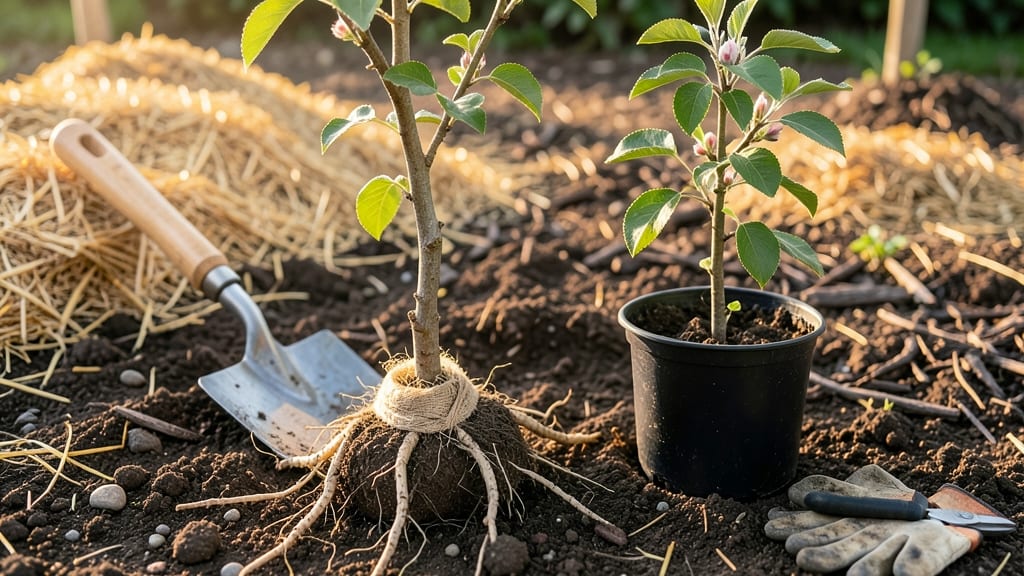
Planting an apple tree 🍎 in New Jersey at the wrong time can mean the difference between a thriving orchard and a sad, frost-bitten sapling. With NJ's unpredictable spring weather and chill-hour demands, timing isn't just important—it's everything.
Most gardeners know spring is ideal, but did you know early fall can actually give your tree a head start? I'll break down exactly when to plant in your specific USDA zone (6a-7b) and how to avoid the late frosts that catch so many off guard.
You'll discover which apple varieties thrive best in NJ's climate, from cold-hardy Honeycrisp to disease-resistant Liberty apples. Let's get your tree off to the right start with the perfect planting window for maximum success.
Whether you're a first-time gardener or a seasoned orchardist, these proven strategies will help you choose the best time to plant and keep your apple tree healthy year after year. Ready to grow your own homegrown apples?
Best planting months for apple trees in NJ based on chill hours
Planting an apple tree in New Jersey requires understanding chill hours—the number of hours below 45°F your tree needs to produce fruit. NJ’s USDA zones 6a-7b mean most varieties need 300-900 chill hours. Planting outside these windows can stunt growth or prevent fruiting entirely.
For spring planting, aim for March-April when soil thaws but before buds swell. This gives roots time to establish before summer heat. Fall planting (October-November) works too—just plant before ground freezes to avoid root damage.
Here’s how chill-hour requirements shape your choices: Honeycrisp (600-800 hours) thrives in northern NJ, while Gala (300-500 hours) suits southern regions. McIntosh (800+ hours) may struggle in milder zones like Cape May.
🌱 Pro Tip: Test your microclimate—urban areas warm faster than rural spots, affecting chill hours. Use a home weather station for 2-3 years to track local patterns before planting.
If you’re planting in northern NJ (zones 6a-6b), prioritize varieties like Liberty or Enterprise, which handle 800+ chill hours with ease. Southern NJ gardeners (zones 7a-7b) should lean toward low-chill varieties like Zestar! or SweeTango, which need just 300-400 hours.
For container-grown trees, planting in fall (October) gives roots time to establish before winter. Water deeply before the first frost to prevent root desiccation. In spring, wait until soil temperatures hit 50°F to avoid compacted roots.
⚠️ Warning: Planting too early (February) risks frost heave—when freezing/thawing cycles lift roots out of the soil. Late spring (May) planting may stress trees during peak drought months (June-July).
After planting, mulch with 4-6 inches of wood chips to regulate soil temperature. In fall-planted trees, protect the root flare with extra mulch to insulate against winter fluctuations. Prune in late winter to shape the tree before new growth begins.
Remember: chill hours aren’t the only factor—pollination partners matter too. Plant two compatible varieties (e.g., Honeycrisp + McIntosh) 25-40 feet apart for cross-pollination. If space is limited, choose self-pollinating varieties like Liberty.
For urban gardeners, consider columnar varieties like Columnar Red Delicious, which fit small spaces and still meet chill-hour needs. Just ensure they get full sun (6+ hours)—even in tight spaces.
How to time planting for NJ’s frost zones (5a-7a) without risking early freeze damage
New Jersey’s USDA zones 5a-7a create a tricky balance for apple tree planting. While spring seems ideal, late frosts can still strike—especially in northern NJ (5a-6a) where average last frost dates hover around April 15.
Even southern counties (7a) face occasional black frost events that can kill tender new growth.
My strategy? Plant when soil temps hit 45°F (7°C) and roots can establish before buds break. This means early April for most of NJ, but late March in warmer zones like Cape May. Fall planting (October-November) also works if you choose bare-root saplings that can harden off before winter.
Here’s the critical mistake I see: Gardeners planting too early in March when soil remains frozen. Roots suffocate in cold, wet conditions, leading to root rot before leaves even emerge. Always check soil temps with a thermometer—don’t guess!
⚠️ NJ’s Late-Spring Frost Hotspots
These NJ counties have the highest frost risk after April 15—wait until May 1 in these areas:
- Passaic, Bergen, Hudson: Urban heat islands delay frost, but valleys freeze faster
- Sussex, Warren, Morris: Mountainous terrain creates microclimates with sudden drops
- Atlantic, Ocean: Coastal breezes can push frosts inland unpredictably
🌡️ Pro Tip: Use Almanac frost date tools or local Cooperative Extension data for your exact ZIP code.
Microclimates throw off standard frost charts. My urban yard in Newark (Zone 6b) runs 5°F warmer than my rural property in Hunterdon County (Zone 6a). To adjust: Observe nearby orchards or parks—their blooming times reveal your local frost window.
For example, if cherry trees bloom March 20 in your area, wait until April 10 to plant apples.
For container-grown trees, timing shifts slightly. These can handle warmer soil in late March since their roots aren’t bound by frozen ground. But bury the container 1/3 deep to stabilize temps.
I’ve had Gala trees thrive when planted March 25 in pots, then transplanted in May after roots filled the container.
Remember: Dwarf varieties (like ‘Columnar’ or ‘Semi-Dwarf’) establish faster and tolerate slight frost better than standard trees. Their smaller root systems warm up quicker in spring. Pair this with black plastic mulch around the base—it raises soil temps by 3-5°F, giving roots a head start.
Finally, track your first 10 consecutive frost-free days after planting. This confirms roots have anchored before bud break. Use a minimum-maximum thermometer buried near the tree—it’s the only way to outsmart NJ’s unpredictable frost patterns.