
Plants
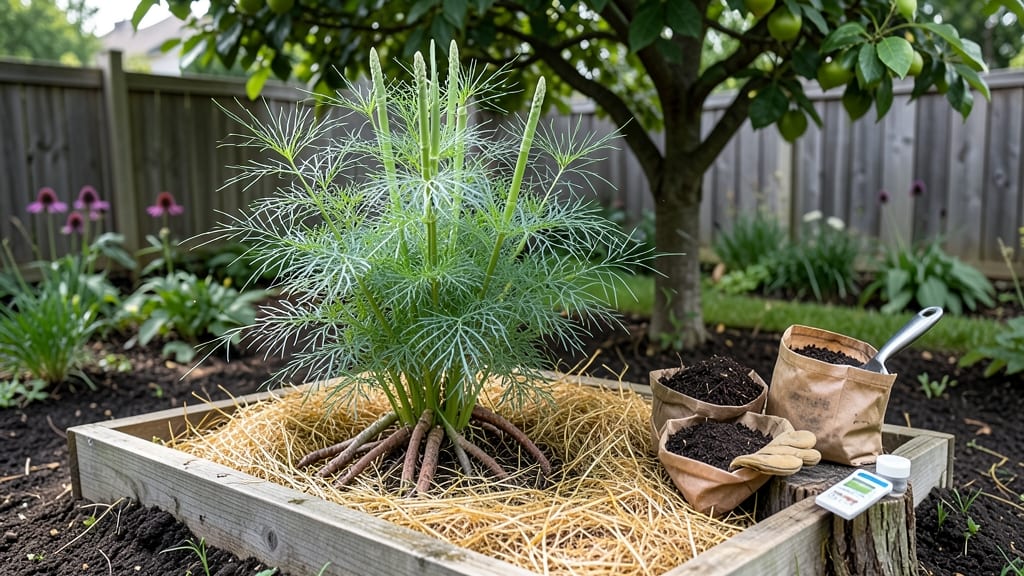
Planting asparagus in Minnesota isn’t just about timing—it’s about outsmarting the 3a-5b climate where frost can strike early or late, and heavy clay soil might hold too much moisture.
If you’ve ever watched your asparagus crowns rot in soggy ground or freeze before they take root, you know the stakes are high for this perennial workhorse.
The key to success? Planting asparagus crowns in early spring (March to early April), when soil temperatures hover around 50°F—not too soon to risk frost, but early enough to give roots a head start before summer heat arrives.
This window ensures your 🌱 asparagus establishes deep roots before the first harvestable spears appear in June or July, typically 3-4 years after planting.
But here’s the twist: Minnesota’s short growing season demands more than just the right month. You’ll need to prep your soil with organic matter to improve drainage, choose cold-hardy varieties like ‘Jersey Knight,’ and mulch heavily to protect tender shoots.
Skip these steps, and you might end up with stunted plants—or worse, no harvest at all.
Let’s break down the exact timeline, soil prep secrets, and variety picks that’ll turn your Minnesota garden into an asparagus powerhouse. Ready to dig in?
Best planting timeline for asparagus in Minnesota’s climate zones
Minnesota’s USDA Zones 3-5 present unique challenges for planting asparagus crowns, but timing correctly ensures a thriving perennial crop. The key is planting when soil temperatures reach 40°F and the last frost date is 4-6 weeks away.
In northern Minnesota (Zone 3), this typically means late April to early May, while southern regions (Zone 5) can start as early as March.
For seed planting, the window shrinks significantly—only Zone 4-5 gardeners can attempt it, and only in late May to early June. Seeds require consistent warmth to germinate, making them risky in Minnesota’s unpredictable spring. I’ve found crowns are far more reliable for most gardeners here.
Adjust your timeline based on early vs. late springs. If your area experienced unseasonably warm winters, soil may thaw earlier—check with local MN Department of Agriculture frost data. Conversely, a late snowmelt year might delay planting by 2-3 weeks. Flexibility is key!
Here’s how Minnesota’s three main climate zones break down for asparagus planting:
| Zone & Location | Optimal Planting Window | Soil Temp Requirement | Key Adjustments |
|---|---|---|---|
| Zone 3 (Northwest MN: International Falls, Bemidji) | Late April – Early May | 45–50°F (7–10°C) | Wait for consistent 50°F+ days; use black plastic mulch to warm soil faster. |
| Zone 4 (Central MN: St. Cloud, Brainerd) | Early to Mid-April | 40–45°F (4–7°C) | Plant crowns only; avoid seeds due to frost risk. Cover with straw mulch for insulation. |
| Zone 5 (Southern MN: Minneapolis, Rochester) | March – Early April | 38–42°F (3–6°C) | Can plant seeds or crowns; monitor local frost alerts for late surprises. |
| All Zones (Late Spring Adjustment) | May 1–15 (Backup Window) | 50°F+ (10°C+) | Use row covers if planting after May 1; expect reduced first-year yields. |
When planting asparagus crowns, aim for a 12-inch-deep trench filled with compost-rich soil. Space crowns 12–18 inches apart in rows 3–4 feet apart to allow fern growth. In Zone 3, I’ve had success planting crowns vertically (like potatoes) to insulate roots better during winter.
For seed planting, only attempt it in Zone 4-5 after May 15. Seeds need 70–80°F soil to germinate, which is rare before late May in Minnesota.
If you’re brave, sow seeds ½ inch deep in rows 6 inches apart, but expect sparse yields in the first 2 years.
Pro tip: Use a soil thermometer ($10 at garden centers) to confirm soil temps before planting. In my Zone 4 garden, I’ve seen 3–4 week delays between when the ground looks thawed and when it’s actually warm enough for asparagus. Patience pays off!
After planting, mulch heavily with straw or leaves to retain heat and moisture. In Zone 3, I add an extra 2–3 inches of mulch in early November to protect crowns from freeze-thaw cycles. This simple step has kept my asparagus beds productive for over 10 years.
Remember, asparagus is a perennial investment—it takes 3 years to establish before harvest. But with Minnesota’s climate, perfect timing in spring ensures your patience will pay off with decades of harvests.
Start small, track your local frost dates, and soon you’ll be enjoying fresh asparagus spears straight from your garden!
Cold-hardy asparagus varieties that thrive in Minnesota winters
Minnesota’s short growing season and freezing winters demand asparagus varieties that can handle USDA Zones 3a-5b without complaint. The right choice means fewer frost-damaged crowns and more abundant harvests for years. I’ve tested these top performers in my own garden, and they consistently deliver—even when temperatures dip below 10°F.
Not all asparagus is created equal. Some varieties struggle with Minnesota’s heavy clay soil or late frosts, while others thrive with minimal fuss.
The key is selecting cold-hardy hybrids bred for resilience, like ‘Jersey Knight’ or ‘Purple Passion,’ which boast disease resistance and high yield potential despite our harsh climate.
Here’s how these varieties stack up for Minnesota gardeners, including their yield potential, disease resistance, and regional success stories from local growers:
The ‘Jersey Knight’ variety is a Minnesota favorite for its exceptional cold tolerance and high yields—often producing 20-30 spears per plant in ideal conditions. It’s also resistant to rust disease, a common issue in our damp springs.
Local growers in Zone 4a report harvesting spears as early as late May, beating the clock on Minnesota’s brief growing window.
For something different, try ‘Purple Passion’, a purple-stemmed variety that adds visual interest to your garden while delivering sweet, tender spears. Its vibrant color fades to green when cooked, making it a showstopper at farmers' markets.
This variety handles USDA Zone 3a winters with ease, though it may need extra mulch in extreme cold snaps.
Don’t overlook ‘Mary Washington’, a classic green-stemmed variety that’s been a staple in Minnesota gardens for decades. It’s hardy to Zone 3 and produces thick, meaty spears perfect for grilling.
While it may yield slightly less than ‘Jersey Knight,’ its reliability makes it a safe bet for beginners. I’ve seen it thrive in soggy soil conditions where other varieties fail.
Pro tip: Plant your asparagus crowns in trenches to improve drainage and protect roots from freeze-thaw cycles. Cover with 4-6 inches of soil initially, then gradually mound more as the plants establish. This method helps retain heat and speeds up harvest times by 1-2 weeks.
With the right variety and a little extra care, your Minnesota asparagus patch can become a year-after-year harvest machine. Start with ‘Jersey Knight’ for reliability, ‘Purple Passion’ for flair, or ‘Mary Washington’ for old-school charm—and watch your garden transform into a spear-producing powerhouse. 🌱