
Plants
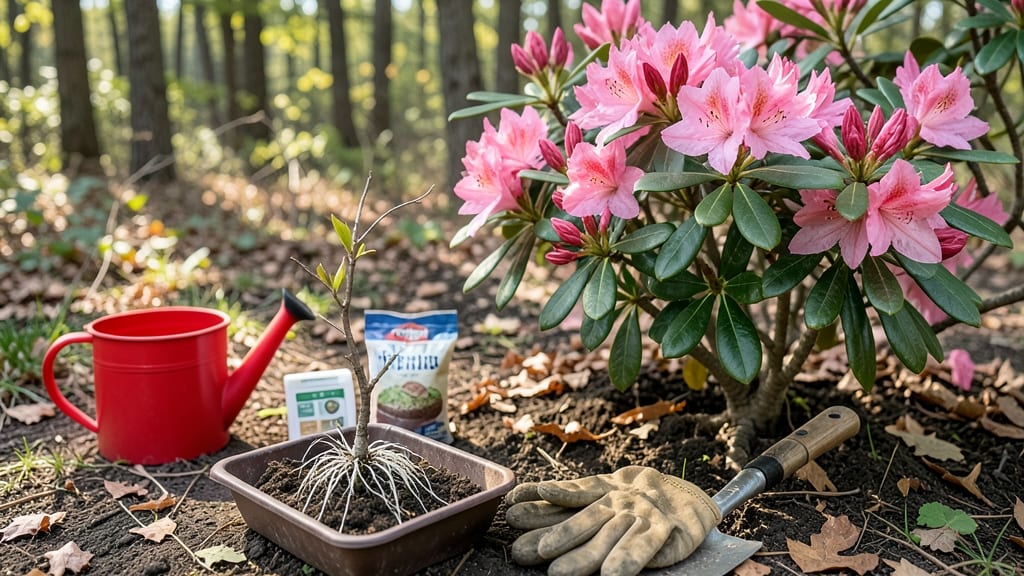
Timing your azalea planting just right in Ohio could mean the difference between a showstopping 🌸 display next spring and a struggling shrub that never quite thrives.
The key window—after last frost when soil warms—isn’t just about the calendar, but about avoiding Ohio’s infamous late frosts that can nip tender new growth.
Most Ohio gardeners in Zone 6a wait until late April or early May to plant azaleas, but there’s a catch: container-grown plants handle cooler soil better than bare-root varieties. I’ll break down exactly when to plant based on your azalea type and how to prep your soil for maximum success.
You’ll also discover why spring planting is the gold standard for Ohio’s climate—plus, when fall might actually work better for your specific variety. Spoiler: it’s not as simple as “plant in spring” or “plant in fall.”
From choosing the right spot to post-planting care that keeps your azaleas blooming for years, this guide gives you the exact steps to skip the guesswork. Let’s get those roots in the ground the right way.
Ohio azalea planting calendar by hardiness Zone (with exact months)
Ohio’s 6 hardiness zones (5a-6b) create dramatic differences in when you can safely plant azaleas. Zone 5a gardeners face earlier frosts, while Zone 6b areas enjoy longer growing seasons. The key is planting when soil temperatures stay above 50°F (10°C) for at least 2 weeks—this ensures root establishment before winter.
I’ve broken down the exact months for both bare-root and container-grown azaleas, plus frost risk analysis to avoid winter damage.
For container-grown azaleas, flexibility exists year-round, but spring planting (April-May) gives roots time to establish before summer heat. Bare-root azaleas, however, demand precise timing—plant them too early, and roots dry out; too late, and they struggle to root before winter.
Ohio’s last frost dates (mid-April in northern zones to early April in southern zones) serve as your planting deadline for spring.
Fall planting offers advantages in zones 5a-5b, where cooler temperatures reduce transplant shock. However, Zone 6a-6b gardeners should avoid fall planting after October 15 to prevent winter dieback. Below, I’ve mapped out the ideal planting windows for each zone, including soil temperature benchmarks and frost risk factors.
🌸
| Zone | Bare-Root Planting Window | Container-Grown Planting Window | Soil Temp Requirement | Frost Risk |
|---|---|---|---|---|
| 5a (Northern OH) | Late April - Early May | April 15 - June 1 | 50°F (10°C) minimum | High (last frost: May 1) |
| 5b (Northeast OH) | Mid-April - Late April | April 1 - June 15 | 50°F (10°C) minimum | Moderate (last frost: April 20) |
| 6a (Central OH) | Early April - Mid-May | March 20 - June 1 | 45°F (7°C) minimum | Low (last frost: April 10) |
| 6b (Southern OH) | Late March - Early May | March 1 - June 15 | 45°F (7°C) minimum | Very Low (last frost: March 25) |
| Fall Planting (All Zones) | September 15 - October 15 | September 1 - November 1 | 60°F (15°C) minimum | Moderate (first frost: Oct 15) |
In Zone 5a, where winters are harshest, I recommend sticking to spring planting (late April-early May) for bare-root azaleas. The 2-week window ensures roots establish before summer drought stress.
For container-grown azaleas, you can extend planting until June 1, but water deeply 2-3 times weekly to prevent transplant shock.
Gardeners in Zones 6a-6b have more flexibility—fall planting (September-October) works well if you choose acid-loving varieties like 'Girard’s Pink' or 'Hino Crimson'. The cooler temps reduce stress, and roots grow slowly but steadily before winter dormancy. Just avoid planting after October 15, or young roots may freeze.
Pro tip: Use a soil thermometer to confirm 50°F (10°C) soil temps before planting bare-root azaleas. Cold soil slows root growth, leaving plants vulnerable to winter dieback.
In Zone 5a, I’ve seen azaleas planted in March fail entirely due to late frosts—always wait for the last frost date plus 2 weeks.
For container-grown azaleas, the rules are looser. You can plant as late as June 15 in most zones, but prioritize morning watering to prevent afternoon evaporation.
In Zone 6b, I’ve successfully planted container azaleas in early November by mulching heavily with pine straw—just monitor for deer browsing in winter.
🌿
One common mistake I see in Ohio gardens? Planting azaleas in heavy clay soil without amending it. Azaleas thrive in acidic, well-draining soil (pH 4.5-6.0). Before planting, mix in 2 inches of peat moss or pine bark to improve drainage.
In Zone 5a, where clay is dominant, I recommend planting in raised beds filled with 50% native soil + 50% organic matter.
Finally, consider your azalea’s mature size. D
5 Critical factors that determine your Ohio azalea planting success
Ohio’s clay-heavy soils and urban heat islands create unique challenges for azalea planting that generic planting charts don’t address. Unlike most plants, azaleas thrive only when five key factors align perfectly: soil pH, moisture balance, sunlight exposure, microclimate conditions, and planting method.
Ignore any one, and you’ll end up with a struggling shrub that never reaches its full potential.
First, let’s tackle the soil pH—this is non-negotiable. Azaleas demand acidic soil between 4.5 and 6.0. Ohio’s native soils often test at 6.5 or higher, which is a recipe for failure. I’ve seen gardeners spend hours digging holes only to realize their soil is too alkaline.
The fix? Amend with peat moss or sulfur before planting, and consider raised beds if your yard’s soil is particularly stubborn.
Next, moisture levels can make or break your azaleas. These plants hate soggy roots but also despise drought. Ohio’s spring rains can create waterlogged conditions, while summer heat dries out the soil quickly. The solution?
Plant in a spot with well-draining soil and mulch heavily with pine bark or wood chips to retain moisture without suffocating the roots. I recommend checking soil moisture weekly during the first growing season.
Sunlight exposure is another common misstep. While azaleas need partial shade, many Ohio gardeners place them in full sun, thinking they’ll thrive. The truth? Morning sun with afternoon shade is ideal. If your yard only offers full sun, consider container planting where you can move pots to shadier spots during peak afternoon heat. Evergreen azaleas handle slightly more sun than deciduous varieties, but neither should bake under direct afternoon rays.
🌱 Numbered Highlights: Ohio Azalea Planting Success Factors
- 1. Soil pH 4.5-6.0: Test your soil and amend with peat moss or sulfur if needed. Ohio’s clay soils often require 2-3 months of preparation before planting.
- 2. Moisture Balance: Aim for consistently moist but never soggy soil. Mulch with 3-4 inches of pine bark to regulate moisture and suppress weeds.
- 3. Sunlight Exposure: Morning sun only (2-4 hours). Avoid afternoon sun, especially in urban heat islands where temperatures can spike 10°F higher than rural areas.
- 4. Microclimate Awareness: South-facing yards or paved areas create heat stress. Plant in north or east-facing spots or use containers with shade cloth in summer.
- 5. Planting Method: Container-grown azaleas plant 2 weeks earlier than bare-root. In Ohio, this means mid-April for containers vs. late April for bare-root.
💡 Pro Tip: If your soil fails the pH test, consider raised beds filled with 50% peat moss and 50% native soil for guaranteed success.
Don’t overlook microclimates—they can completely override generic planting advice. For example, a south-facing yard in Columbus might need azaleas planted in containers with afternoon shade cloth, while a wooded area in Cleveland could support in-ground planting with minimal adjustments.
Urban gardeners should also watch for heat islands, where pavement radiates heat and dries out soil faster. If you’re unsure, stick to east-facing spots near trees or structures that provide natural shade.
Finally, your planting method matters more than you think. Container-grown azaleas can handle cooler soil temperatures, so they’re safe to plant 2 weeks earlier than bare-root varieties. In Ohio, this means mid-April for containers (when soil reaches 50°F) versus late April for bare-root (when soil warms to 60°F).
I’ve had gardeners rush bare-root plants too early, only to see their roots freeze in Ohio’s unpredictable springs. Patience here pays off with stronger root systems and better blooms the following year.
When these five factors align—acidic soil, consistent moisture, ideal sunlight, smart microclimate choices, and proper planting timing—your Ohio azaleas will reward you with vibrant blooms for decades.
Start with a soil test, pick the shadiest spot you can find, and don’t rush the planting process. Your future self (and your neighbors) will thank you. 🌸