
Plants
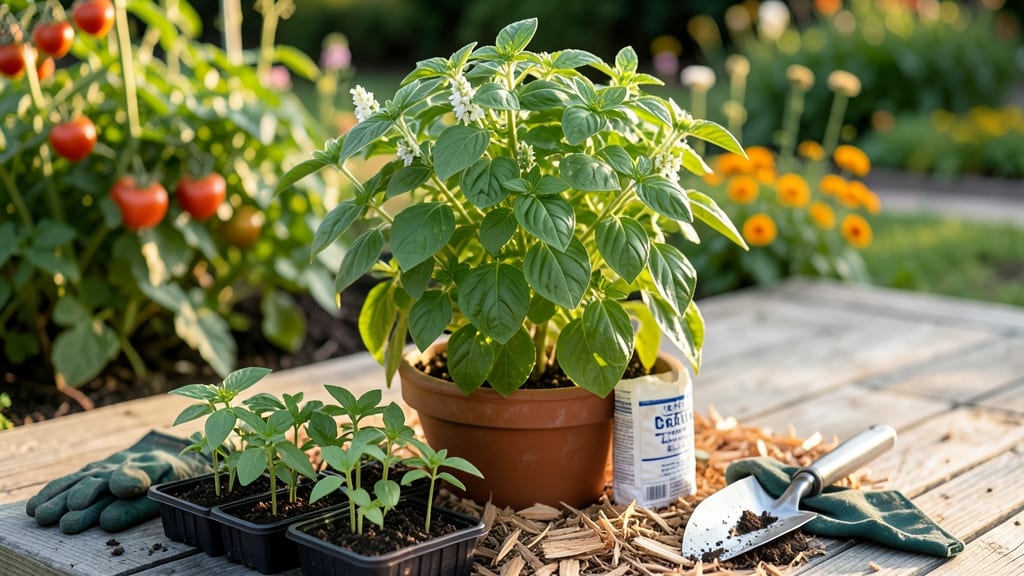
Timing your basil planting in Colorado can mean the difference between a thriving 🌿 herb garden and a sad, frost-nipped disappointment. Since last frost dates here swing wildly—from mid-April in Denver to early June in mountain towns—knowing exactly when to plant is the key to success.
Basil thrives as an annual in Colorado’s USDA zones 5-7, so getting it in the ground too early risks cold damage, while waiting too long shortens your harvest window.
The ideal planting window opens after April 15 in most areas, but microclimates (like warmer urban pockets or cooler foothills) can shift that timeline by weeks.
Whether you’re starting seeds indoors or transplanting seedlings, I’ll walk you through the best methods to extend your growing season—from using row covers to choosing fast-maturing varieties. Let’s make sure your basil not only survives Colorado’s short summer but flourishes with bold, aromatic leaves.
By the end, you’ll know exactly when to plant, how to protect your plants from late frosts, and which signs to watch for to ensure your basil grows strong and flavorful all season long.
Colorado’s frost-free planting windows for basil by elevation zone
Colorado’s dramatic elevation shifts create wildly different last frost dates—from mid-April in the Lowlands to late June in the Mountains. For basil, timing is everything: plant too early, and frost will kill tender seedlings; too late, and your harvest shrinks before Colorado’s first fall frosts in October.
Let’s break down the perfect planting windows by elevation zone so you can grow basil from Denver to Durango.
Most Colorado gardeners rely on USDA Hardiness Zones 5-7, but elevation adjustments are critical. The Lowlands (3,000–5,000 ft) like Colorado Springs see earlier frost-free dates, while Mountain regions (7,000+ ft) like the San Juans face a shorter growing season.
Even within zones, microclimates matter—urban Denver’s heat islands can delay frost by weeks compared to rural areas.
Here’s how to align your basil planting schedule with Colorado’s three key elevation zones, including soil temperature cues and variety recommendations for each:
In the Lowlands, where Denver and Colorado Springs fall, aim for late April to mid-May plantings.
The soil should stay above 50°F (10°C) for at least 2 weeks—test with a thermometer at 4-inch depth. Genovese basil thrives here, but Spicy Globe handles slightly cooler soils if you’re in a late-frost pocket like Castle Rock.
For Foothills gardeners (think Fort Collins or Boulder), wait until May 15–June 1. These areas often see late spring frosts, so harden off seedlings indoors for 7–10 days before transplanting. Purple basil is a great choice—its darker leaves hide soil splatter better in rocky foothill gardens.
Mountain regions like Telluride or Leadville demand patience: don’t plant outdoors until June 15, when soil temps reliably hit 60°F (15°C). Start seeds indoors by late April under grow lights, then transplant after Memorial Day. Thai basil and Lemon basil tolerate cooler nights better than standard varieties.
Pro tip: Use row covers or black plastic mulch to warm soil faster in high-elevation zones. Even a 1–2°F boost can shave weeks off your planting timeline.
And remember—basil bolts (goes to seed) when days lengthen past 14 hours, so prioritize fast-maturing varieties like Sweet Basil ‘Napoletano’ (45 days to harvest).
After transplanting, monitor leaf color: dark green with a glossy finish means your timing’s perfect. Yellowing or wilting? You may have planted too early—basil roots struggle in cold soil.
For container growers, move pots to protected spots (like near south-facing walls) if nighttime temps dip below 55°F (13°C).
Colorado’s first fall frosts typically hit by mid-October, but mountain areas can see frost as early as September. Plan to harvest and dry basil before Labor Day in high-elevation zones. Save seeds from your healthiest plants—localized varieties adapt better to your microclimate each year!
🌱
How to extend your basil season in Colorado’s short growing period
Colorado’s short growing season and unpredictable frosts can cut basil harvests short—but with the right strategies, you can enjoy fresh leaves from early summer until hard frost. The key is combining early starts with season-extending tools to maximize your basil’s time in the ground.
I’ve tested these methods in my own garden, and they’ve added 4-6 weeks to my harvest window.
Since basil thrives in warm soil and consistent temperatures, Colorado gardeners need to plan ahead. Starting seeds indoors or using protective covers can help you bypass early-season cold snaps.
Fast-maturing varieties like Genovese or Sweet Basil (ready in 45-50 days) are perfect for our climate, while row covers can push back the first frost by 2-3 weeks.
🌱 5 Proven Ways to Extend Your Basil Season
- 📅 Start seeds indoors 6-8 weeks before your last frost date (use grow lights for 14-16 hours/day). Transplant seedlings outdoors after soil warms to 50°F+.
- 🌡️ Use row covers to protect young plants from late frosts (32°F+ tolerance). Secure covers with bricks or stakes to prevent wind damage.
- 🌿 Choose fast-maturing varieties like Spicy Globe (45 days) or Thai Basil (50 days) to harvest before Colorado’s first frost (typically mid-October).
- 🪴 Grow in containers and move pots to sunniest spots or indoors near a south-facing window when nights cool. Use 5-gallon pots for stability.
- ✂️ Pinch flowers early to redirect energy to leaves instead of seeds. This keeps plants productive until first frost and prevents bolting.
Pro tip: Mark your last frost date on a calendar and count backward to schedule indoor starts or cover applications.
For gardeners in higher elevations (e.g., USDA Zone 6-7 in mountain towns), extend the season by starting seeds 8 weeks indoors and using black plastic mulch to warm soil faster.
In Denver or Front Range areas, you can often plant outdoors by mid-May without covers, but always check 7-day forecasts for late frosts.
Another trick I swear by is succession planting: sow a second batch of seeds 6-8 weeks after your first planting to ensure a continuous harvest. This works especially well with compact varieties like Dwarf Basil, which thrive in containers and can be moved indoors before frost.
Just ensure pots have drainage holes to prevent root rot.
Don’t forget to harvest regularly—pinching leaves encourages bushier growth and delays bolting. If frost threatens, harvest leaves and bring pots indoors to a cool, sunny spot (like a garage with windows).
With these strategies, you’ll enjoy fresh basil pesto or homemade tomato sauce long after your neighbors’ plants have frozen.
🌿