
Plants
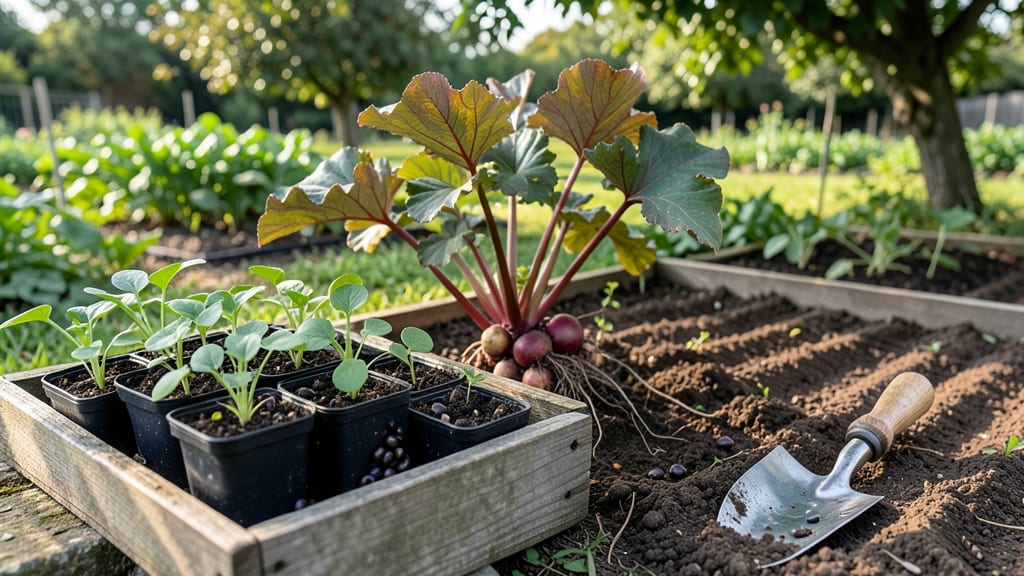
Timing your beet planting just right in Maryland means the difference between sweet, tender 🍠 roots and tough, woody messes—especially when spring temperatures play hide-and-seek. The key to success lies in understanding your local frost dates and soil conditions, which can shift dramatically between Maryland’s coastal areas and inland zones.
Most gardeners in USDA zones 7a-7b get their best results by starting seeds between March 15 and April 30 for spring harvests, then again from September 1 to October 15 for fall crops.
But here’s the trick: soil temperature matters more than calendar dates—wait until the ground warms to at least 40°F before planting.
I’ve learned the hard way that rushing beets into cold soil leads to slow germination or bolted greens. The good news? Maryland’s mild winters and extended growing season let you stretch harvests from June through November with the right strategy.
Let me show you exactly how to sync your planting schedule with Maryland’s climate quirks.
Whether you’re a first-time gardener or a veteran looking to maximize your harvest, these season-specific tips will help you grow beets that are consistently sweet and ready when you need them. Ready to dig in?
Best planting windows for beets in Maryland’s climate zones
Maryland’s USDA zones 6a-7b offer two prime windows for growing sweet, tender beets: early spring and fall. Unlike heat-sensitive crops, beets thrive in cool temperatures (40-85°F), making them perfect for Maryland’s unpredictable spring and crisp fall air.
Planting at the right time ensures you avoid bolting (premature flowering) while maximizing your harvest before summer heat sets in.
In Maryland, beets can be planted 4-6 weeks before your last frost date (typically around March 15 in most areas) and again 8-10 weeks before your first frost (usually October 15). This dual approach gives you two harvests per year—one in late spring/early summer and another in fall.
Let’s break down the exact timing for each zone and how to stretch your harvest with succession planting.
Here’s a quick reference for Maryland’s USDA zones 6a-7b, covering both early spring and fall planting windows. Use this as your guide to avoid common mistakes like planting too early (risking frost damage) or too late (missing the sweetest roots).
For continuous harvests, use succession planting—sow new seeds every 2-3 weeks during spring and 3-4 weeks in fall. This ensures you always have young, tender beets ready to pick.
For example, in USDA 6b, start your first batch in mid-March, then add another in late March, early April, and May for a staggered harvest through summer.
Fall planting is just as critical. In USDA 7a, aim to plant by mid-September to harvest before first frost (usually mid-November).
In colder USDA 6a zones, push your last planting to early September to give roots time to mature. Golden beet varieties often handle fall heat better than deep-red types, so consider mixing varieties for extended harvests.
Don’t overlook microclimates—Maryland’s coastal areas (like USDA 7b) can plant 2-3 weeks earlier than inland zones. Use a soil thermometer to confirm 40°F+ soil temps before planting. If spring brings unexpected frost, cover seedlings with row fabric or old blankets to protect them until temperatures stabilize.
One common mistake is planting too late in spring, which can lead to bolting (bitter-tasting beets). If your last frost date slips to April 1, plant your final spring batch by mid-March to avoid this.
Similarly, in fall, avoid planting after October 15—roots won’t mature before frost, leaving you with small, woody beets.
Extend your harvest by choosing heat-tolerant varieties like ‘Detroit Dark Red’
How to time beet planting for Maryland’s frost dates and soil conditions
Maryland’s last frost dates typically land between March 15 and April 15, but coastal areas like Annapolis often warm up 1-2 weeks earlier than inland spots like Frederick. This variation means your beet planting schedule should account for both your specific location and soil readiness.
For most of Maryland’s USDA zones 7a-7b, aim to start beets 4-6 weeks before your last frost. This gives seedlings enough time to establish roots before summer heat arrives. However, soil temperature is the real game-changer—beets need at least 40°F soil to germinate consistently.
🌱 Pro Tip: Use a soil thermometer to check temperatures at 2-inch depth. If it’s below 40°F, wait another week. Cold soil delays germination and can lead to uneven sprouts.
⚠️ Warning: Coastal vs. Inland Differences
Coastal Maryland (Baltimore, Annapolis): Last frost March 1-15—plant beets February 20-March 15 for early harvests. Soil warms faster near water.
Inland Maryland (Frederick, Hagerstown): Last frost April 1-15—wait until March 20-April 15 to plant. Soils stay cooler longer in these areas.
Key Risk: Planting too early in cold soil leads to rot or stunted growth. Use row covers if you must plant early.
Fall planting offers a second chance for Maryland gardeners. Start seeds September 1-October 15 to harvest before the first frost (November 15). Beets planted in late summer benefit from cooler soil temperatures and avoid the heat stress that causes bolting.
🌡️ Soil Temperature Sweet Spot: Beets thrive when soil stays between 40°F (germination) and 85°F (growth). Beyond 85°F, they’ll bolt prematurely. Mulch with straw or leaves to keep roots cool during summer heatwaves.
For succession planting, sow new seeds every 2-3 weeks after your initial planting. This ensures a continuous supply of fresh beets from June through November. Just remember: never plant beets after August 15—they won’t have enough time to mature before frost.
📅 Maryland’s Frost-Free Window: With 165 frost-free days, you can stretch your harvest longer than many northern states. Use this time wisely by planning two main plantings (spring and fall) plus 2-3 succession batches for a steady supply.