
Plants
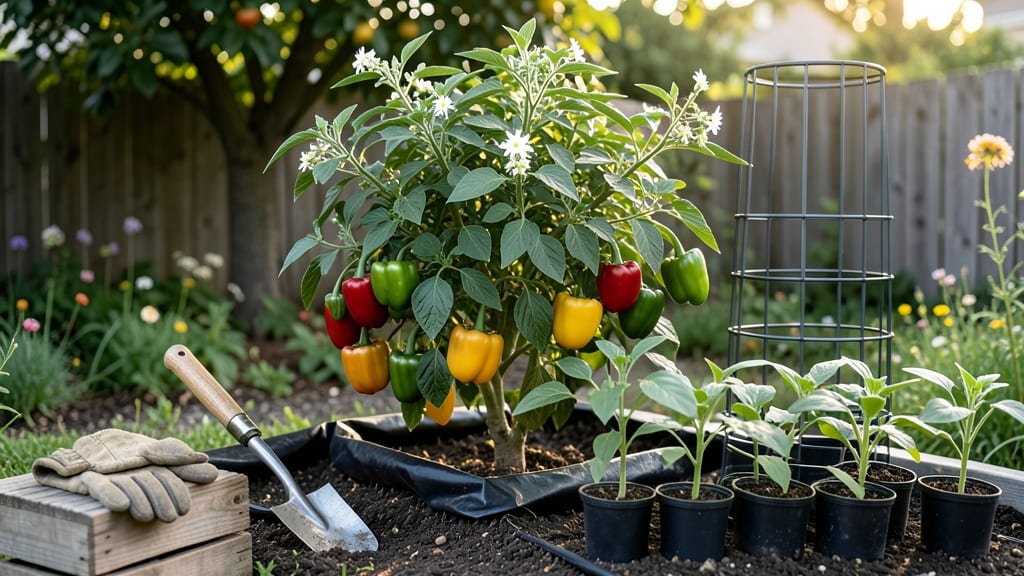
Planting bell peppers 🌶️ in Arkansas at the wrong time can turn your garden dreams into a sad, shriveled mess—but timing it just right means juicy, vibrant peppers all season long.
With Arkansas' USDA Zones 7a-8a offering a generous growing window, you've got two perfect chances to plant: spring and fall.
The key is waiting until after that last frost date (usually mid-April) when soil temperatures hit at least 60°F, or jumping into late July for a fall harvest that ripens just before winter sets in.
I've learned the hard way that rushing these heat-loving plants into cold soil leads to stunted growth and bitter flavors—no one wants that! Whether you're starting seeds indoors or going straight for direct sowing, understanding your local microclimate makes all the difference.
Arkansas' humidity and occasional late frosts add another layer to the timing puzzle, but don't worry—I'll walk you through exactly when to put those seedlings in the ground for maximum success.
What you'll discover here are the precise planting windows that work for Arkansas gardeners, plus pro tips for extending your harvest season. We'll cover everything from soil prep to protecting your plants from unexpected cold snaps, so you can enjoy fresh peppers from July through November.
Let's get those 🌶️ growing strong!
The beauty of Arkansas' climate is that you can actually grow two full crops of bell peppers in one year if you time it right. Spring plantings give you summer harvests while fall plantings reward you with peppers just as the weather cools down.
With the right timing and care, you could be enjoying homegrown peppers for nearly half the year—now that's what I call a gardener's dream!
Optimal planting dates for bell peppers in Arkansas zones 7a-8a
Bell peppers 🌶️ demand precise timing in Arkansas' climate, where last frost dates vary by only a few weeks between Zone 7a and 8a. In Zone 7a (northern Arkansas), you'll want to wait until mid-April for soil temperatures to stabilize above 60°F, while Zone 8a gardeners can start as early as late March.
The key is avoiding cold soil—bell peppers won't germinate below 55°F, and young plants can't tolerate even light frosts.
For a fall harvest, Arkansas gardeners have a second chance with late July plantings that mature just before first frost (typically mid-November). This strategy works because Arkansas' 200+ frost-free days provide ample time for two full pepper crops per year.
I've found that transplanting seedlings (rather than direct sowing) gives you more control over timing and better success rates in Arkansas' humid climate.
Here's the critical information you need to plan your Arkansas bell pepper planting:
In my Arkansas garden, I've had the most success with transplanting seedlings because it gives me more flexibility to adjust timing based on weather.
For spring plantings, I start seeds indoors in early March (Zone 8a) or mid-March (Zone 7a) using grow lights, then transplant after the last frost when nighttime temperatures stay above 50°F. This method helps me avoid Arkansas' unpredictable late frosts that can wipe out young plants.
The soil temperature is actually more critical than air temperature for bell peppers. I use a soil thermometer to confirm readings of at least 60°F before planting—cold soil delays germination and weakens seedlings.
In Arkansas' clay-heavy soils, I often need to add compost to improve warmth retention and drainage, which these heat-loving plants absolutely demand.
For fall plantings, timing is equally crucial but works in reverse.
I aim to have peppers mature 60-75 days before the first frost, which means starting seeds in late July for Zone 7a or early July for Zone 8a. Arkansas' humidity can accelerate pepper development, so I choose disease-resistant varieties like 'Carolina Wonder' or 'Arkansas Wonder' that thrive in our climate.
One Arkansas-specific tip I've learned is to use black plastic mulch for both spring and fall plantings. This raises soil temperatures by 5-10°F, extends the growing season by 2-3 weeks, and suppresses weeds—three major benefits for Arkansas gardeners.
I also install row covers for early spring plantings to protect against those sneaky late frosts that can hit even in Zone 8a.
Remember that Arkansas' humidity levels (often 70-80%) create ideal conditions for fungal diseases like early blight and anthracnose. To combat this, I always plant bell peppers in full sun locations with good air circulation, and avoid overhead watering.
The right timing not only ensures healthy growth but also helps prevent these common Arkansas gardening challenges.
When planning your Arkansas bell pepper schedule, don't forget to account for variety maturity dates. Shorter-season varieties (60 days) work well for fall plantings, while longer varieties (75-90 days) are better for spring.
I've had great success with 'Jupiter' (red) and 'Golden Summer' (yellow) in Arkansas' climate—both mature quickly and handle our humidity well.
How to extend your Arkansas bell pepper season with smart techniques
Arkansas gardeners know that bell peppers 🌶️ need warmth to thrive, but our unpredictable weather can cut harvests short. The secret to a longer pepper season lies in strategic planning—like protecting plants from late frosts or using containers to control growing conditions.
I’ve learned that even with Arkansas’ 200 frost-free days, you can stretch your harvest from summer into early winter with the right techniques.
One of my favorite tricks is succession planting, where I stagger new seedlings every 2-3 weeks after the initial planting. This ensures a continuous supply of peppers instead of one big harvest followed by empty vines.
For example, if you plant your first batch in mid-April, follow up with another in late May and even a third in early July for a fall crop.
🌱 5 Proven Ways to Extend Your Arkansas Bell Pepper Season
- 1. Use Frost Cloths – Cover plants with frost cloth when nighttime temps drop below 50°F. This buys you 2-3 extra weeks of growing time in spring/fall.
- 2. Try Container Gardening – Move pots indoors or to a sunroom when temps dip. Dwarf varieties like 'Snackable' thrive in 5-gallon containers and can produce for months.
- 3. Plant Heat-Tolerant Varieties – Choose 'Carolina Wonder' or 'Aristotle', which handle Arkansas’ 90°F+ heat better than standard types.
- 4. Mulch Heavily – Apply 3-4 inches of straw mulch to retain soil warmth. This keeps roots 10°F warmer than bare soil, delaying fall slowdowns.
- 5. Prune Strategically – Remove lower leaves to improve airflow and reduce fungal risks. This keeps plants productive even as days shorten in October/November.
Another game-changer is container gardening, especially for urban gardeners or those with limited space. I’ve had success growing bell peppers in 10-15 gallon pots on my patio, where I can roll them under a porch cover during cold snaps.
Just ensure pots have drainage holes and use a lightweight potting mix to prevent root rot—a common issue in Arkansas’ humid summers.
Don’t overlook soil temperature tricks either. Bell peppers won’t germinate well in cold soil, so I always use black plastic mulch to warm the ground 5-10°F faster than bare soil. This lets me plant 1-2 weeks earlier in spring without risking frost damage.
For fall plantings, I focus on late July starts to ensure peppers mature before the first frost in mid-November.
Finally, harvesting techniques make a difference. Instead of waiting for peppers to fully ripen on the vine, I pick them green or partially colored in late summer and move them to a sunny indoor spot.
This tricks them into ripening off the plant, extending your harvest by 3-4 weeks. Just avoid refrigerating them—peppers ripen best at room temperature.
With these strategies, I’ve gone from a 6-week harvest window to enjoying fresh peppers for nearly 12 weeks each year. The key is combining timing, protection, and variety selection—and a little patience when Arkansas’ weather throws curveballs. Your garden (and your taste buds) will thank you! 🌿