
Plants
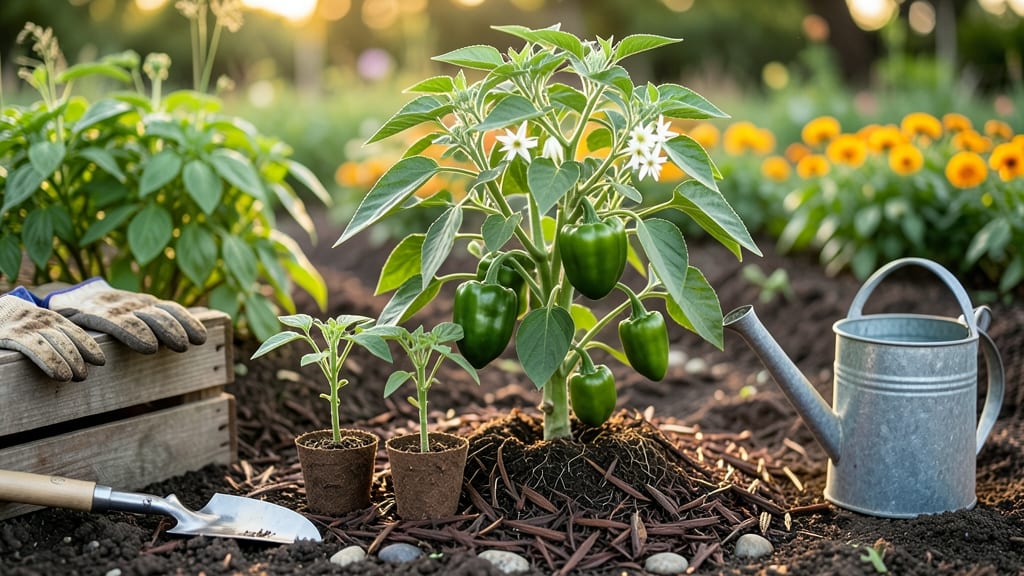
Planting bell peppers 🌶️ in Kansas feels like playing a high-stakes game of timing—get it wrong, and you’ll either lose your plants to frost or miss the harvest window entirely. The key?
Starting seeds indoors by early March to ensure they’re ready for transplant after the last frost, which typically hits around April 15 in USDA Zone 6a. This 6-8 week head start gives your peppers the warm soil and long growing season they crave before Kansas’ first frost in October.
But here’s the catch: even with perfect timing, Kansas’ unpredictable spring weather can throw a wrench into your plans.
That’s why I’ll walk you through exactly when to start seeds, how to monitor soil temperatures (they need to stay above 60°F), and which heat-loving varieties like ‘Carmen’ or ‘Jupiter’ perform best in your region. No more guessing—just juicy, homegrown peppers from July to October.
If you’ve ever watched your seedlings wilt after a late frost or struggled with stunted growth, you know how frustrating it can be. The good news? With the right preparation, you can extend your growing season using row covers or cold frames, giving your peppers the extra protection they need.
Let’s break down the exact steps to plant for success, so you can enjoy a bountiful harvest without the stress.
Ready to transform your Kansas garden into a pepper paradise? I’ll cover everything from indoor starting dates to outdoor transplanting, plus troubleshooting tips for when things don’t go as planned.
By the end, you’ll have a foolproof plan to grow bell peppers that thrive—no matter what Mother Nature throws your way.
Kansas bell pepper planting zones: USDA maps and safe start dates
Kansas spans USDA Zones 5-7, creating a diverse range of planting conditions for bell peppers. These heat-loving plants thrive in zones 6 and 7, but even zone 5 gardeners can succeed with proper timing and season extension.
The key is knowing your last frost date and adjusting for microclimates—whether you're in a Wichita urban heat island or a cooler rural Kansas prairie.
Bell peppers need warm soil (60°F+) and consistent temperatures above 50°F to germinate and grow. In Kansas, this typically means waiting until mid-April to mid-May for outdoor planting, but starting seeds indoors 6-8 weeks before your last frost gives you a head start.
Let’s break down the exact weeks for each zone and how to adjust for your local conditions.
For Zone 5 gardeners in northeast Kansas (like Atchison or Leavenworth), the last frost date often falls around April 15. This means starting seeds indoors by March 1 gives you enough time to transplant 6-8 weeks later.
Use row covers or cold frames to extend your season if frost lingers.
In Zone 6 (central KS), where cities like Topeka and Manhattan reside, you can start seeds slightly earlier—late February to early March. Transplant outdoors between late April and mid-May, but watch for urban heat islands that may allow earlier planting near pavement or buildings.
Rural areas with cooler nights might need to delay by a week.
Southwest Kansas (Zone 7) enjoys earlier last frosts, often by mid-March. Here, you can start seeds as early as February 1 and transplant by early April. However, dry winds and low humidity can stress young plants, so prioritize mulching and consistent watering.
Regardless of zone, always verify soil temperatures with a soil thermometer—bell peppers won’t thrive in cold soil. If your area experiences late frosts, consider starter plants from nurseries or use black plastic mulch to warm the soil faster.
For microclimate adjustments, urban gardeners should plant 1-2 weeks later than rural areas, while windy spots need windbreaks.
Pro tip: Check the Kansas State University Extension’s frost date maps for your specific county, as local variations can be significant. For example, Wichita’s urban heat might push your last frost back by a week compared to nearby rural areas.
Adjust your schedule accordingly to avoid frost damage or missed harvests.
Once you’ve nailed down your planting window, the next step is choosing the right bell pepper varieties for Kansas’ climate—whether you prefer heat-tolerant ‘Jupiter’ or early-maturing ‘Carmen’.
But timing is your first victory in the garden. Get it right, and you’ll be feasting on homegrown peppers from July through October.
🌱
Indoor vs. outdoor planting: when to start seeds for Kansas’ short growing season
Kansas gardeners face a short growing season with unpredictable spring weather, making timing critical for bell peppers. These heat-loving plants need warmth to thrive, so starting seeds indoors gives them a head start.
For Kansas’ USDA Zone 6a, I begin seeds indoors 6-8 weeks before last frost—typically around March 1-15—to ensure strong transplants ready for late spring planting.
Outdoor planting, however, depends on soil temperature and frost risk. Bell peppers won’t tolerate cold, so I wait until soil reaches 60°F and all danger of frost has passed—usually mid-to-late May.
Varieties like ‘Carmen’ and ‘Jupiter’ handle Kansas heat well, but timing is key to avoid stunted growth or poor yields.
Step-by-Step Planting Timeline for Kansas Bell Peppers
-
Step 1: Start Indoors (6-8 weeks before last frost)
March 1-15 | Use seed trays with well-draining soil. Place under grow lights (14-16 hours/day) or in a sunny window. -
Step 2: Harden Off (1-2 weeks before transplant)
Late April | Acclimate seedlings to outdoor conditions by placing them outside for 2-3 hours daily, increasing time gradually. -
Step 3: Transplant Outdoors (After last frost, soil 60°F+)
Mid-to-late May | Plant 18-24 inches apart in full sun. Bury seedlings deeper than the pot to strengthen stems. -
Step 4: Extend Season (Optional)
Late summer | Use row covers or cold frames to protect peppers from early fall frosts, extending harvest into October.
For direct sowing outdoors, I plant seeds 2-3 weeks after last frost—around May 15-30—when soil is consistently warm.
However, this method risks slower growth and lower yields, so I recommend starting indoors for best results. ‘Carmen’ peppers, for example, mature in 75 days, so an early start ensures a harvest before Kansas’ first frost.
If you’re short on time, consider transplanting mature seedlings from a nursery in early May. Just ensure they’re acclimated to Kansas heat by hardening them off first. For container gardening, use large pots (5+ gallons) with drainage holes to mimic outdoor conditions.
Pro tip: Monitor soil temperature with a thermometer—bell peppers won’t germinate below 60°F. If your spring is slow to warm, opt for fast-maturing varieties like ‘Jupiter’ (60 days) to maximize your harvest window. Mulch around plants to retain heat and moisture, especially during Kansas’ dry summer months.
By following this timeline, you’ll avoid the common pitfalls of planting too early or too late. With the right timing, your bell peppers will thrive, yielding juicy, flavorful harvests all summer long. Happy gardening! 🌱