
Plants
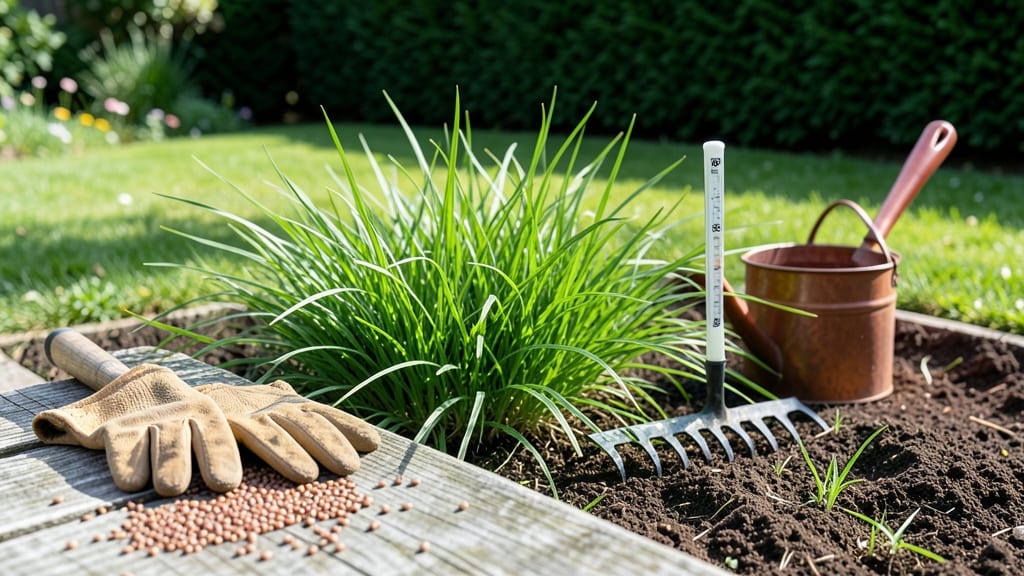
Planting Bermuda grass seed at the wrong time in South Carolina can mean the difference between a lush, fast-growing lawn and months of frustration with slow germination.
If you're eager to transform your yard into a vibrant green space, understanding the perfect timing is crucial—especially in zones 7b-8a where summers are hot and winters can bring unexpected frost.
The key to success lies in planting during the ideal windows of late spring or early fall, when soil temperatures hover between 80-90°F—just right for your 🌱 Bermuda grass to take root.
Skipping these windows might leave your seed vulnerable to drought, pests, or even frost, turning your hard work into wasted effort.
In this guide, I’ll break down exactly when to plant for fast establishment, how to prep your soil, and what mistakes to avoid—so you can enjoy a thick, healthy lawn without the guesswork. Let’s get your Bermuda grass off to the best possible start!
Whether you’re tackling a new lawn or reviving an old one, timing is everything. By following these insights, you’ll set yourself up for a lawn that’s not just green, but resilient against South Carolina’s ever-changing climate.
Optimal South Carolina planting windows: spring vs fall for Bermuda grass seed
South Carolina’s climate creates two prime windows for planting Bermuda grass seed: late spring and early fall. Each offers unique advantages, but fall planting often outperforms spring due to cooler temperatures and reduced pest pressure.
Let’s break down the best times, soil conditions, and regional factors that influence your decision.
The ideal soil temperature for Bermuda grass germination is between 80-90°F. In South Carolina, this typically aligns with late May through early June for spring planting and late August through early September for fall.
Coastal areas like Charleston may experience these temperatures slightly earlier, while inland regions like Greenville might need to wait a week or two.
| Planting Window | Best Months | Soil Temp (°F) | Frost Risk | Humidity Levels | Pest Pressure |
|---|---|---|---|---|---|
| Spring | Late May - Early June | 80-90°F | Low (post-frost) | Moderate to High | High (grubs, chinch bugs) |
| Fall | Late August - Early September | 80-85°F | None (pre-frost) | Moderate | Low (cooler temps) |
Spring planting in South Carolina requires patience. While the soil warms quickly, the humidity spikes in June, creating ideal conditions for fungal diseases like brown patch. Additionally, chinch bugs and grubs thrive in warm, moist soil, often attacking young Bermuda grass seedlings.
If you choose spring, apply a pre-emergent herbicide 2-3 weeks before planting to reduce pest threats.
Fall planting, however, offers a cooler, drier environment that reduces fungal risks and pest activity. The soil remains warm from summer heat while daytime temperatures drop, creating perfect germination conditions.
By planting in late August or early September, your Bermuda grass will establish strong roots before the first frost, typically hitting Mid-November in most of the state.
Coastal areas like Charleston and Hilton Head benefit from warmer microclimates, allowing for slightly earlier planting in both spring and fall. Inland regions such as Greenville or Columbia may need to adjust timelines by 1-2 weeks to avoid early frost or extreme heat.
Always check your local USDA Zone (7b-8a) for precise guidance.
Another key factor is water availability. Spring planting coincides with South Carolina’s rainy season, which can lead to overwatering if not managed carefully. Fall planting, on the other hand, often requires less frequent irrigation as natural rainfall decreases.
Aim for 1 inch of water per week during establishment, whether you plant in spring or fall.
For best results, I recommend fall planting for most of South Carolina. The combination of warmer soil, lower humidity, and reduced pests gives Bermuda grass seedlings the best chance to thrive.
However, if you miss the fall window, late spring is your next best option—just be prepared for extra vigilance against pests and diseases.
Pro tip: Use a soil thermometer to confirm temperatures before planting. Bermuda grass seeds won’t germinate effectively below 65°F, so wait for consistent warmth. This simple tool can save you weeks of frustration and ensure a lush, fast-growing lawn.
🌱
Step-by-step preparation for planting Bermuda grass seed in SC
Before you even think about scattering that Bermuda grass seed, proper preparation is your secret weapon for a thick, healthy lawn. I’ve learned the hard way that skipping soil prep can turn your dream lawn into a patchy nightmare—especially in South Carolina’s humid, heat-prone climate.
The key? Start with a clean slate and the right conditions for germination.
Your first step is testing your soil pH. Bermuda grass thrives in a 6.0-7.0 pH range, and anything outside this window will slow down growth or even kill your seed. Grab a soil test kit from your local garden center—it’s cheap and saves you from wasted effort.
If your soil is too acidic or alkaline, you’ll need to amend it with lime (to raise pH) or sulfur (to lower pH), respectively.
- 1 Test Soil pH: Use a kit to check your soil’s pH. Aim for 6.0-7.0—Bermuda grass won’t thrive outside this range.
- 2 Adjust pH if Needed: Add lime for acidic soil or sulfur for alkaline soil. Re-test after 2-4 weeks.
- 3 Clear the Area: Remove existing weeds, rocks, and debris. Use a non-selective herbicide (like glyphosate) 2 weeks before planting if weeds are stubborn.
- 4 Loosen Soil: Till the top 4-6 inches to improve aeration and root penetration. Break up compacted soil with a garden fork.
- 5 Spread Seed: Use a broadcast spreader for even coverage. Aim for ¼ inch seed depth—no deeper, or your seed won’t germinate.
- 6 Water Daily: Keep soil moist for 2-3 weeks with ¼ inch of water daily. Use a sprinkler for gentle, even coverage.
Once your soil is prepped, it’s time to tackle weeds—they’re Bermuda grass’s worst enemy. If your lawn has stubborn weeds like crabgrass or clover, apply a non-residual herbicide (like glyphosate) 2 weeks before planting.
This gives the herbicide time to break down while keeping it safe for your new seed. Pro tip: Avoid pre-emergent herbicides during planting—they’ll kill your Bermuda grass too!
After clearing weeds, loosen the top 4-6 inches of soil with a tiller or garden fork. This step is critical in South Carolina’s clay-heavy soils, which can suffocate roots if left compacted.
If your soil is sandy, mix in some compost or peat moss to improve moisture retention. Bermuda grass loves well-draining soil, but it shouldn’t dry out like a desert.
With your soil prepped and weeds under control, it’s time to plant! Use a broadcast spreader for even seed distribution—uneven planting leads to patchy lawns. Lightly rake the seed into the soil to achieve that ¼ inch depth (any deeper, and it won’t germinate).
Then, grab your hose and commit to daily watering for 2-3 weeks. Bermuda grass seed needs consistent moisture to sprout, but avoid soaking the soil—¼ inch per day is perfect.
Finally, resist the urge to mow until your Bermuda grass reaches 3-4 inches tall. This takes about 6-8 weeks, depending on your planting time and weather. Once established, your lawn will be drought-tolerant, heat-resistant, and lush—worth every drop of sweat and water! 🌱