
Plants
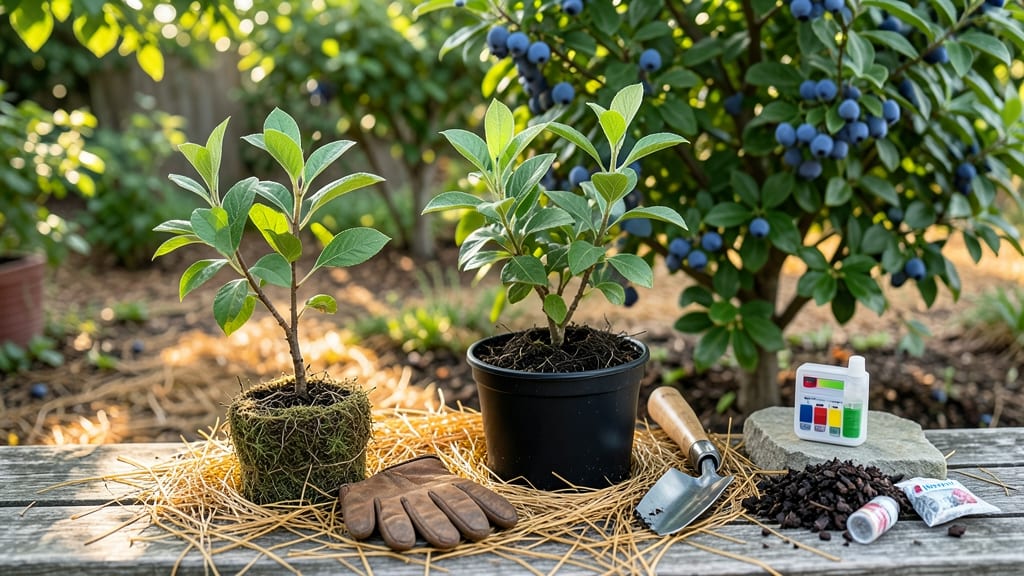
To plant blueberries in Massachusetts at the perfect time means the difference between a thriving 🫐 bush and one that struggles to take root. The 6a zone demands precision—get it wrong, and frost or soil conditions will stall your harvest before it even begins.
Most gardeners in Massachusetts know the broad rule: late spring or early fall. But what does that mean for your specific location? Whether you're in Boston or Worcester, understanding your last frost date—typically around April 15—is the key to timing your planting right.
In this guide, I’ll break down the exact windows for planting blueberries, from soil warmth requirements to regional microclimates. You’ll learn how to prepare your soil, choose the right variety, and even adjust for late springs or early frosts.
By the end, you’ll have a clear plan to plant your blueberries at the ideal moment—so you can enjoy a bountiful harvest come July or August. Let’s get started.
Best planting months for blueberries in Massachusetts based on hardiness zones
Massachusetts spans USDA hardiness zones 4-6, which means your blueberry planting window depends on where you live. In northern MA (zone 4), frost lingers longer, while southern MA (zone 6) enjoys a longer growing season.
The key is planting when soil temperatures hit at least 50°F and the risk of late frosts has passed—or choosing early fall for a second chance. Let’s break it down by zone and season.
For spring planting, aim for late April to early June across all zones. This gives young roots time to establish before summer heat arrives. In fall, August to early September is ideal—roots grow slowly in cool soil, reducing transplant shock.
However, avoid planting too late, as young bushes won’t harden off before winter. Zone 4 gardeners should prioritize fall planting to avoid early spring frosts.
Soil temperature is your best indicator. Use a soil thermometer to confirm 50°F+ at 4 inches deep. In zone 5, this typically aligns with mid-May, while zone 6 can start as early as late April.
Cold soil slows root growth, making plants vulnerable to disease and frost damage. Pro tip: Mulch heavily after planting to insulate roots during temperature swings.
Here’s the critical comparison for Massachusetts gardeners, including frost risk and ideal soil conditions:
| Zone | Spring Planting Window | Fall Planting Window | Soil Temp Threshold | Frost Risk | Best Varieties |
|---|---|---|---|---|---|
| Zone 4 (Northern MA) | Late May - Early June | Early August - Mid-September | 50°F+ (10°C+) | High frost risk until June 15 | Patriot, Bluecrop (cold-hardy) |
| Zone 5 (Central MA) | Mid-May - Late May | Late July - Early September | 50°F+ (10°C+) | Moderate frost risk until June 1 | Jersey, Bluegold |
| Zone 6 (Southern MA) | Late April - Mid-May | August - Early October | 50°F+ (10°C+) | Low frost risk after May 15 | Duke, Legacy (heat-tolerant) |
*Frost dates based on 30-year averages from Massachusetts Climate Data.
If you’re in zone 4, fall planting is your safest bet. Young bushes planted in August have time to develop roots before winter, while spring plantings risk late frosts that can blacken tender leaves.
For zone 6, you’ve got flexibility—plant in spring or fall, but avoid July, when summer heat stresses new roots.
Container growers have an edge: potted blueberries can be planted 2-4 weeks earlier than in-ground plants because containers warm up faster. Just ensure your pots have drainage holes and use a lightweight, acidic mix (50% peat moss or pine bark).
In zone 5, I’ve had success planting container-grown bushes in early May, moving them to the ground after the last frost.
Watch for false springs, where warm weather tricks you into planting too early. Check the National Weather Service for 10-day forecasts and err on the side of caution.
If a hard freeze is predicted within 2 weeks of planting, delay until conditions stabilize. Blueberries are resilient, but young plants can’t recover from frost damage.
Pro move: Plant in a microclimate—near a south-facing wall or under dwarf fruit trees—to extend your growing season. In Worcester (zone 5b), I’ve seen blueberries thrive in raised beds with black plastic mulch to warm the soil faster.
This trick adds 1-2 weeks to your planting window, which is huge for late springs.
Remember, bare-root plants (sold dormant) can handle fall planting better than container-grown ones. If you buy potted blueberries in spring, wait until soil is consistently above 50°F for a week before planting. For zone 4 gardeners, this often means holding off until June—patience pays off with stronger bushes.
Finally, test your soil pH before planting. Blueberries need acidic soil (4.5-5.5). If your soil is too alkaline, amend it with sulfur or pine needles 4-6 weeks before planting.
In zone 6, I’ve seen gardeners add cottonseed meal in fall to boost acidity naturally over winter. Don’t skip this step—it’s the #1 reason blueberries fail in Massachusetts.
Soil preparation checklist: how to ensure your blueberry planting site is ready
Blueberries thrive only when their soil conditions are just right—especially in Massachusetts, where clay-heavy soils can suffocate roots if not amended properly. Before planting, focus on three critical factors: pH balance (4.5-5.5), organic matter content, and drainage.
Skipping these steps means your bushes will struggle to absorb nutrients, leading to poor growth or even death.
Start by testing your soil’s pH level. Blueberries are acid-loving plants, and Massachusetts’ native soils often lean alkaline. Use a home pH test kit or send a sample to your local UMass Extension office for accurate results.
If your soil reads above 5.5, you’ll need to lower it using peat moss, pine needles, or sulfur—I’ve found sulfur works fastest but requires careful application.
Next, address organic matter. Blueberries need well-aerated soil rich in decomposed material. Work in 3-4 inches of compost or aged manure into the top 12 inches of soil. For clay-heavy areas, mix in coarse sand or perlite to improve drainage without compacting the soil further.
This step is non-negotiable—clay soils hold too much moisture, and blueberry roots rot quickly in soggy conditions.
- ✅ Test pH
- Use a soil test kit or lab service to confirm pH 4.5-5.5. Adjust with peat moss or sulfur if needed.
- 🌱 Amend Soil
- Mix in 3-4 inches of compost and 1 inch of peat moss to the top 12 inches of soil. For clay soils, add coarse sand to improve drainage.
- 💧 Check Drainage
- Dig a 12-inch hole and fill it with water. If it drains in less than 2 hours, your soil is fine. If not, raise the bed or add more organic matter.
- 🪴 Choose Location
- Select a spot with full sun (6+ hours) and shelter from strong winds. Avoid low-lying areas where frost collects.
Don’t overlook drainage testing. Dig a 12-inch hole in your chosen planting spot, fill it with water, and time how long it takes to drain. If water pools for more than 2 hours, your site is too soggy.
In this case, consider planting in a raised bed or mounding soil to create better drainage. I’ve seen blueberries thrive in raised beds with 50% less waterlogging risk.
Finally, mulch heavily after planting to retain moisture and acidity. Use pine straw or wood chips (avoid cedar—it’s too acidic). Spread a 3-inch layer around the base of your bushes, keeping it 6 inches away from the stem to prevent rot.
Mulching also suppresses weeds, which compete for nutrients your blueberries desperately need.
With these steps, your Massachusetts blueberry site will be ready for planting—whether you’re dropping in bare-root plants in late April or early fall. The key is patience: soil prep takes time, but it’s the foundation for years of bountiful harvests. 🫐