
Plants
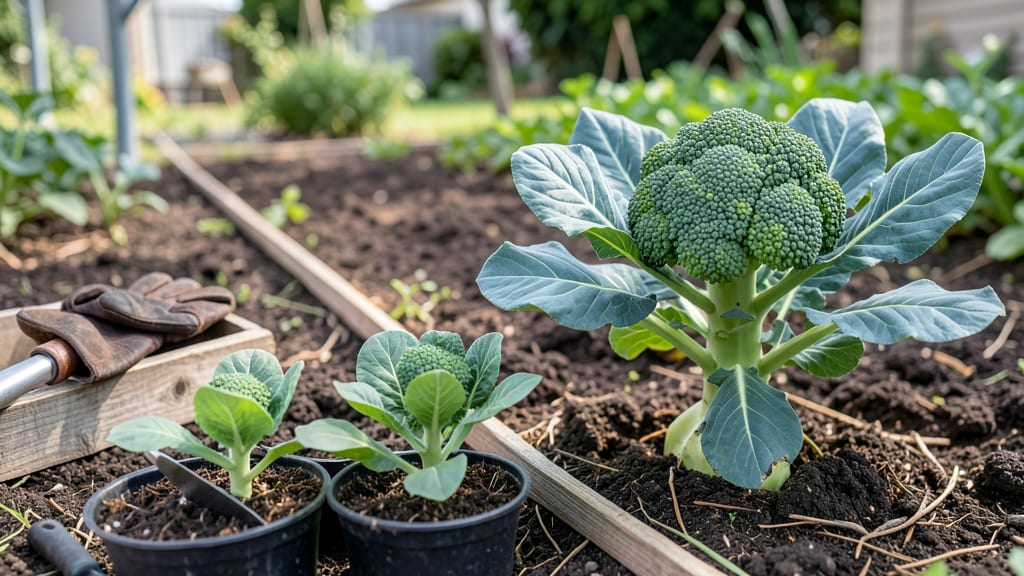
Planting broccoli 🥦 at the wrong time in Zone 6 means tiny heads or no harvest at all—so timing isn’t just important, it’s the difference between a bountiful garden and wasted effort.
In Zone 6 (6a/6b), where frost can strike as early as mid-April or linger into October, getting those seeds in the ground at the right moment is critical. Too soon, and cold soil stalls growth; too late, and heat stresses young plants.
The key? Planting 4-6 weeks before your last frost in spring or 8-10 weeks before the first frost in fall.
But here’s the catch: not all broccoli varieties play by the same rules. Fast-maturing types need cooler temps, while slower growers can handle a little heat—if you know how to adjust.
I’ll break down the exact weeks to plant, plus how to stretch your harvest with succession planting so your garden keeps giving.
Ready to avoid the most common mistakes (like planting too close to frost or ignoring soil prep)? Let’s dive into the best schedule for your Zone 6 broccoli—and how to keep those heads plump and ready to harvest.
Optimal broccoli planting weeks before last frost in Zone 6
In Zone 6, timing your broccoli planting is everything—too early and frost will damage seedlings, too late and you’ll miss the cool-season window. The last frost date in most of Zone 6 falls around April 15, but soil temperatures must also be considered.
For best results, aim to plant 4-6 weeks before that date, typically in mid-March to early April, when soil temps reach at least 40°F.
Broccoli thrives in cooler weather but needs consistent warmth to germinate properly. If you plant too early, seedlings may rot in cold, wet soil. Conversely, waiting until soil is too warm can lead to bolting (premature flowering).
The key is finding that sweet spot where the ground is workable but not scorching.
📌 SUMMARY TABLE
For spring planting, I recommend starting seeds indoors 4-6 weeks before your target outdoor date. This gives seedlings a head start and helps them outpace any lingering late frosts. If you’re direct-sowing, wait until soil temperatures are consistently above 40°F—a soil thermometer is your best friend here.
In Zone 6, this usually aligns with mid-April, but always check your local frost forecast.
Fall planting is equally critical for a second harvest. Broccoli planted in late summer will mature just in time for early fall harvests before the first frost hits around October 15.
To pull this off, start seeds indoors 8-10 weeks before your first frost date, then transplant seedlings outdoors in early August. This timing ensures heads form before cold weather sets in.
One common mistake is assuming all broccoli varieties have the same growth timeline. Fast-maturing types like 'Calabrese' take 50-60 days to harvest, while slower varieties like 'Waltham 29' need 70-90 days.
Match your variety to your planting window—plant fast growers in late spring for a quick harvest, and save slower types for fall.
Don’t overlook succession planting to extend your harvest. In Zone 6, you can squeeze in two or even three plantings per year. Start with your first batch in March-April, follow with a June-July succession planting for late summer harvests, and finish with a late summer batch for fall.
This strategy keeps your kitchen stocked with fresh broccoli from May through October.
Pro tip: Use row covers or cold frames to protect early spring plantings from unexpected frosts. These simple tools can buy you an extra 2-3 weeks of growing time, giving your broccoli the head start it needs. Just remember to remove covers during the day to prevent overheating.
Finally, always test your soil pH before planting—broccoli prefers 6.0-7.0. Amend with compost or aged manure to improve fertility, and mulch heavily to retain moisture and regulate soil temperature. With the right timing and care, your Zone 6 garden can produce bountiful broccoli harvests twice a year!
How to adjust planting time for broccoli varieties in Zone 6
Not all broccoli varieties mature at the same pace, and in Zone 6, timing your plantings correctly can mean the difference between a bountiful harvest and wasted effort. Fast-maturing varieties (like 'Early Purple Top') need less time to reach harvest, while slow-maturing types (like 'Waltham 29') require more growing days.
Understanding these differences helps you stagger plantings for a continuous supply.
In Zone 6, where the last frost typically arrives around April 15 and the first frost hits October 15, you have two main planting windows: early spring and late summer.
Fast-maturing varieties can be planted just 4-6 weeks before the last frost, while slow-maturing ones need 6-8 weeks to avoid bolting in summer heat. For fall harvests, start slow-maturing varieties 8-10 weeks before the first frost.
| Variety Type | Days to Maturity | Spring Planting Window (Zone 6) | Fall Planting Window (Zone 6) | Succession Planting Strategy |
|---|---|---|---|---|
| Fast-Maturing | 50-60 days | 4-6 weeks before last frost (March 15-April 1) | 8-9 weeks before first frost (August 15-Sept 1) | Plant every 2-3 weeks for continuous harvest |
| Slow-Maturing | 75-90 days | 6-8 weeks before last frost (February 28-March 15) | 10-12 weeks before first frost (July 15-August 1) | Plant once in spring, once in fall for extended season |
| Hybrid (Medium) | 60-75 days | 5-7 weeks before last frost (March 1-April 1) | 9-10 weeks before first frost (August 1-Sept 1) | Plant twice: early spring + late summer |
To extend your harvest season, use succession planting. For fast-maturing varieties, sow seeds every 2-3 weeks starting in early spring until mid-May. This ensures a steady supply of broccoli heads before summer heat sets in. In fall, repeat this strategy starting in mid-July to harvest before frost.
For slow-maturing types, a single planting in early spring and another in mid-summer will give you two harvests: one in late spring and another in fall.
Another key strategy is to mix variety types in your garden. For example, plant 'Early Purple Top' (fast) alongside 'Waltham 29' (slow) in the same bed. The fast variety will give you an early harvest, while the slow variety matures just as the first variety bolts from heat stress.
This overlapping maturity schedule ensures you’re always picking fresh broccoli without gaps in your supply.
Don’t forget to adjust for microclimates in Zone 6. If your garden is in a cooler pocket (like near a lake or shaded by trees), you can plant fast varieties slightly later.
Conversely, in warmer microclimates, start slow varieties earlier to avoid summer bolting. Always monitor soil temperatures—broccoli seeds need soil that’s at least 40°F to germinate, and seedlings thrive in 60-70°F conditions.
By matching your broccoli variety to your planting window and using succession strategies, you can enjoy homegrown broccoli from late spring through fall in Zone 6. Start with one or two varieties this season, track their performance, and expand next year based on what works best in your garden. 🌱