
Plants
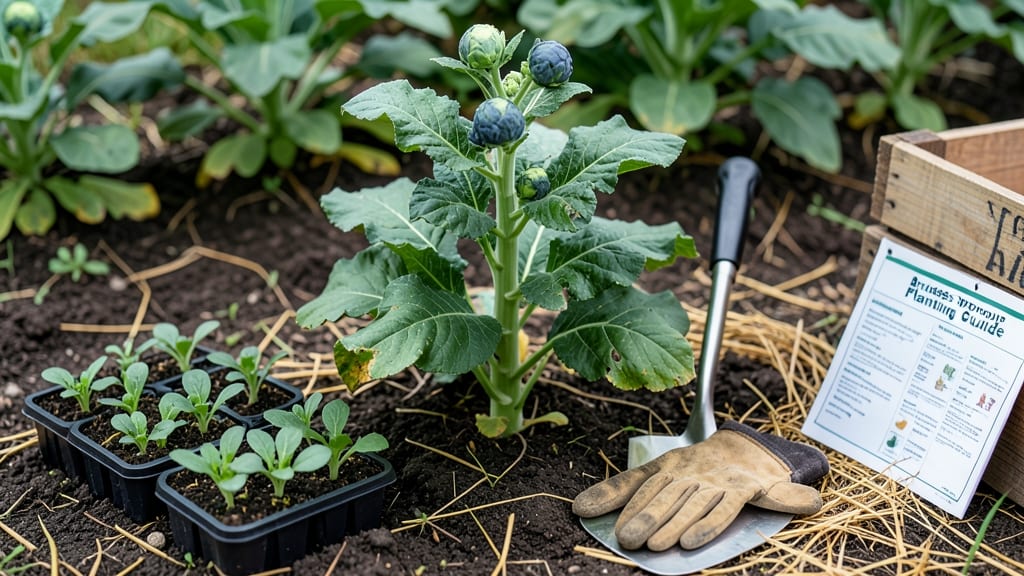
Planting Brussel sprouts 🥦 in Zone 7 at the wrong time means missing out on a harvest full of sweet, tender bites—unless you know the perfect window. These cool-weather crops need a head start, and timing is everything to avoid bitter flavors or bolting before frost.
For Zone 7 gardeners, the ideal planting window is late summer to early fall, specifically between August and September. This gives your 🥦 enough time to mature before the first frost hits around mid-November, ensuring a harvest from October to December.
Whether you're starting from seeds or transplants, spacing and soil prep matter just as much as timing. I’ll walk you through the exact steps to plant, care for, and protect your crop—so you can enjoy homegrown Brussels without the guesswork.
Skip the trial-and-error and get the foolproof schedule that works for Zone 7’s climate, including how to adjust for early or late varieties. Let’s make this your most successful 🥦 season yet!
Best planting months for Brussel sprouts in Zone 7 (with frost timing guide)
Brussel sprouts love cool weather, making Zone 7’s mild climate perfect for two planting seasons—spring and fall. The key is timing your planting 8–10 weeks before frost to ensure a harvest before winter sets in.
In Zone 7, this means focusing on late summer for fall crops or early spring for a summer harvest, though the latter is riskier due to heat stress.
Your last frost date in Zone 7 typically falls around March 15, while the first frost arrives near November 15. These dates create a 180-day growing window, which is ideal for brussel sprouts that need 90–120 days to mature.
Miss this window, and you’ll end up with bitter, bolted plants or no harvest at all.
| Planting Window | Best Months | Frost Timing | Notes |
|---|---|---|---|
| Spring Planting | March–April | After last frost (March 15) | Risky in Zone 7—heat causes bolting. Use shade cloth. |
| Fall Planting (Primary) | August–September | 8–10 weeks before first frost (by Nov 1) | Best success—cool temps prevent bitterness. |
| Late Summer Succession | June–July | Plant early varieties (60-day maturing) | Extend harvest into fall with staggered plantings. |
For fall planting, aim to sow seeds or transplants in late August. This gives your plants enough time to mature before the first frost hits.
If you’re using transplants, buy them from a nursery in early August and harden them off before planting. Direct sowing is also an option, but it requires starting seeds indoors 6–8 weeks before your target outdoor date.
Zone 7’s summer heat can trick brussel sprouts into bolting (flowering prematurely), so avoid planting after mid-July unless you’re using heat-tolerant varieties like ‘Long Island Improved’ or ‘Ruby Ball’.
These varieties handle warmer temperatures better but still need consistent moisture to prevent stress. Mulch heavily to keep roots cool and soil moist.
If you’re unsure about your exact frost dates, check your local USDA Plant Hardiness Zone Map or use a frost calendar from your state’s agricultural extension service. For example, Raleigh, NC (Zone 7a) has later frosts than Lexington, KY (Zone 7b), so adjust your planting window accordingly.
A general rule: subtract 2 weeks if you’re in a cooler microclimate or add 2 weeks for warmer areas.
Pro tip: Use row covers in early fall to extend your harvest window. These lightweight fabrics protect plants from light frosts (down to 25°F) and can add 2–4 weeks to your growing season. Just remove them during the day to prevent overheating and pests like aphids from moving in.
For spring planting, wait until after your last frost date (usually mid-March) and choose early-maturing varieties (60–70 days to harvest). Plant in partial shade if possible to avoid heat stress.
However, spring harvests in Zone 7 are often smaller and less flavorful than fall crops, so focus on fall if you’re serious about yield.
Finally, soil temperature matters just as much as air temperature. Brussel sprouts thrive when soil temps are between 45–75°F. Use a soil thermometer to check before planting—if it’s above 80°F, wait for cooler conditions or use shade cloth to protect seedlings.
With the right timing, you’ll enjoy sweet, tender brussel sprouts from your Zone 7 garden—just in time for holiday meals! Start planning now, and your fall harvest will thank you. 🥦
How to extend your Brussel sprouts season in Zone 7’s warm climate
Zone 7’s warm climate can turn Brussel sprouts into bitter, bolted disappointments if you don’t act fast. The key to success? Beat the heat with smart strategies that keep your plants cool and productive. I’ve grown Brussel sprouts here for years, and these tricks have saved my harvests every time.
First, prevent bolting—the enemy of sweet sprouts. When temperatures climb above 80°F (27°C), your plants will rush to flower instead of producing those tender buds. The solution? Shade cloth and succession planting to stretch your growing window. Let’s dive into the exact steps that work in my garden.
Don’t overlook soil moisture tricks—consistent hydration is non-negotiable. I mulch with straw or wood chips to lock in moisture and keep roots cool. Pro tip: Drip irrigation delivers water right to the roots without wetting leaves, which reduces fungal risks.
For companion planting, I swear by bush beans and lettuce. They thrive in the same conditions but don’t compete for space. Plus, beans fix nitrogen in the soil, giving your Brussel sprouts a nutrient boost. Avoid planting near cabbage family members like broccoli—they attract the same pests.
Finally, harvest early and often. Start picking the lowest sprouts first when they’re 1-1.5 inches wide. This encourages the plant to produce more buds and extends your harvest window. In Zone 7, you can keep picking until hard frosts in late November or early December.
With these strategies, I’ve stretched my Brussel sprouts season from October to January—even in hot summers. The secret? Stay proactive with shade, water, and companions. Your taste buds (and dinner table) will thank you! 🥦