
Plants
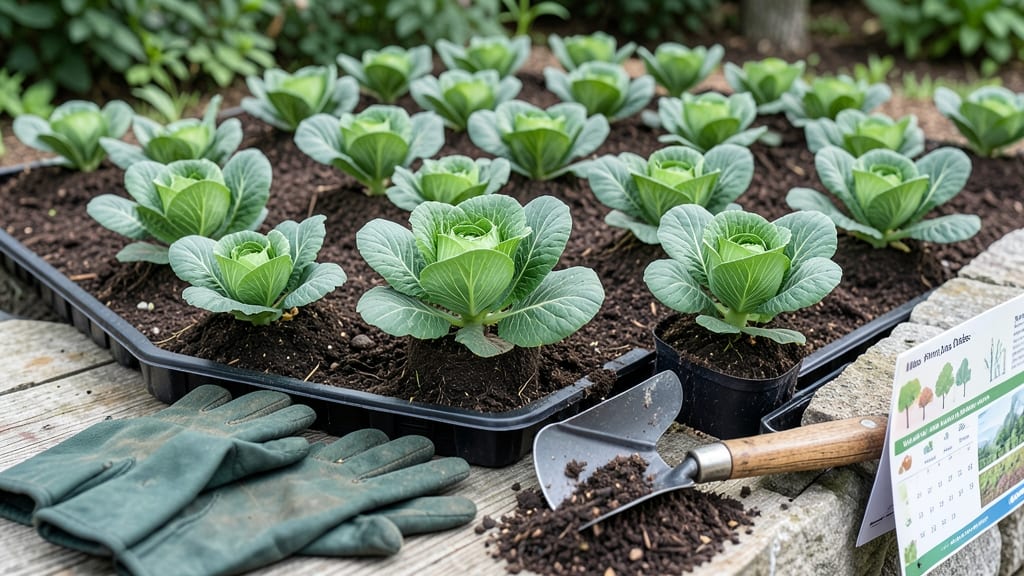
Planting cabbage in Illinois at the wrong time can mean the difference between a crisp, homegrown harvest and a bitter disappointment. With USDA Zones 5-6 bringing unpredictable frost dates, timing your 🥬 is everything—especially when you want that perfect head by fall.
Most gardeners in Illinois make one of two mistakes: planting too early and risking frost damage, or waiting too long and letting summer heat turn their cabbage into tough, unappetizing heads.
The key is knowing your last frost date (usually mid-April in Chicago or earlier in southern Illinois) and working backward from there.
In this guide, I’ll break down exactly when to plant cabbage for spring and fall harvests, which varieties thrive in Illinois’ climate, and how to protect your plants from both early and late frosts.
Whether you’re starting seeds indoors or sowing directly in the garden, these tips will help you grow cabbage that’s as delicious as it is hardy.
Ready to master the art of cabbage timing? Let’s get your garden on track for a successful harvest—no matter where you are in the state.
Illinois cabbage planting calendar: spring vs fall frost-free windows by variety
Cabbage thrives in Illinois' cool climate, but getting the timing right means the difference between a bumper crop and bolted disappointment. The state's USDA Zones 5-6 offer two prime planting windows: early spring and late summer.
Each cabbage variety has unique heat tolerance, so I'll break down the exact frost-free windows for green, red, savoy, and bok choy varieties to maximize your harvest.
Spring planting starts 4-6 weeks before your last frost date, while fall planting happens 10-12 weeks before the first frost. Illinois' frost dates vary dramatically—Chicago's last frost typically hits April 15, while southern Illinois sees it as early as March 20.
These microclimates create a 3-week planting window difference you can't ignore.
Here's your Illinois cabbage planting calendar broken down by variety and region:
For green cabbage, the most versatile variety, I recommend starting seeds indoors 4-6 weeks before your last frost or direct sowing when soil reaches 40°F. In Chicago, this means waiting until April 1 for direct sowing, while southern Illinois gardeners can start as early as March 15.
The key is ensuring seedlings have 60-70 days to maturity before frost hits.
Red cabbage is the most frost-sensitive variety, so I always plant it 2 weeks later than green cabbage. Its stunning purple leaves make it worth the extra care, but it absolutely hates heat. If you're in Chicago, wait until April 5 for direct sowing, and consider using frost cloth for early plantings. Southern Illinois gardeners can push it to March 20, but monitor temperatures closely.
My favorite heat-resistant option is savoy cabbage, with its crinkled leaves that stay delicious even when temperatures climb. This variety handles 85°F better than others, making it perfect for Illinois' late summer plantings.
For fall harvests, I plant savoy cabbage June 20-July 20—this gives it time to mature before the first frost. In Chicago, I often extend this window to July 10 to avoid early heat stress.
Bok choy is the true heat lover of the cabbage family and my go-to for late summer succession plantings. This quick-maturing variety (ready in 30-40 days) thrives in 75-80°F temperatures. I plant bok choy every 2 weeks from July 15 to September 1 in Chicago, while southern Illinois gardeners can start as early as July 1. Its heat tolerance makes it ideal for urban gardens where microclimates can be warmer.
One critical adjustment I make for urban gardeners in Chicago is delaying planting by 5-10 days compared to rural areas. The city's urban heat island effect can push temperatures 5-10°F higher, accelerating growth and increasing bolting risk.
For rural areas, I recommend advancing your planting by 1-3 weeks to take advantage of cooler nights and longer growing seasons.
Pro tip: Use row covers to extend your spring planting window by 2-3 weeks in cooler microclimates. I've successfully grown red cabbage in Chicago as early as March 25 using lightweight frost fabric. Just remember to remove covers when temperatures exceed 80°F
How to extend your Illinois cabbage season: succession planting and cold protection
To squeeze every last crisp head out of your Illinois garden, succession planting is your secret weapon. With just three strategic plantings—spring, summer, and fall—you can enjoy fresh cabbage from June through December.
The key lies in timing your seeds or transplants to avoid both early frosts and summer heat stress that turns heads bitter.
Most Illinois gardeners miss out on fall harvests because they stop planting after the last spring frost. But by using frost cloth and selecting heat-tolerant varieties, you can extend your season well into winter.
For example, my Golden Acre cabbage plants thrived under frost cloth until Thanksgiving last year—despite Chicago’s early cold snaps.
Here’s my 3-step succession planting schedule that guarantees a continuous harvest, even in Illinois’ short growing season:
Start seeds indoors 4-6 weeks before last frost (mid-March for Chicago, early March for southern IL). Transplant 4-6 weeks after last frost (early April) for a late summer harvest (August-September).
Sow seeds or transplant 8-10 weeks before first frost (early July). Use heat-resistant varieties like Cavalo or Brauner to tolerate summer heat. Harvest October-November before hard frosts.
For a winter harvest, plant 10-12 weeks before first frost (late August). Cover with frost cloth when temps drop below 28°F to protect tender leaves. Expect harvests through December in sheltered microclimates.
📅 Pro Tip: Use a planting calendar to track your local frost dates and adjust timings.
Don’t forget cold protection—even hardy cabbage varieties need help when temperatures dip below 25°F. A frost cloth (or even old bedsheets in a pinch) can add 5-10°F of protection. I’ve seen cabbage survive 15°F nights under frost cloth, though heads may still develop a slight frost bite.
For heat stress, choose late-maturing varieties like Hubbard or Danish Ballhead, which handle summer heat better than quick-maturing types. Mulch with straw to keep roots cool and water deeply in the morning to reduce evaporation. These small adjustments make all the difference in Illinois’ unpredictable climate.
With these techniques, you’ll enjoy three cabbage harvests instead of one—no more sad, wilted heads sitting in your garden while you wait for the next planting! 🥬