
Plants
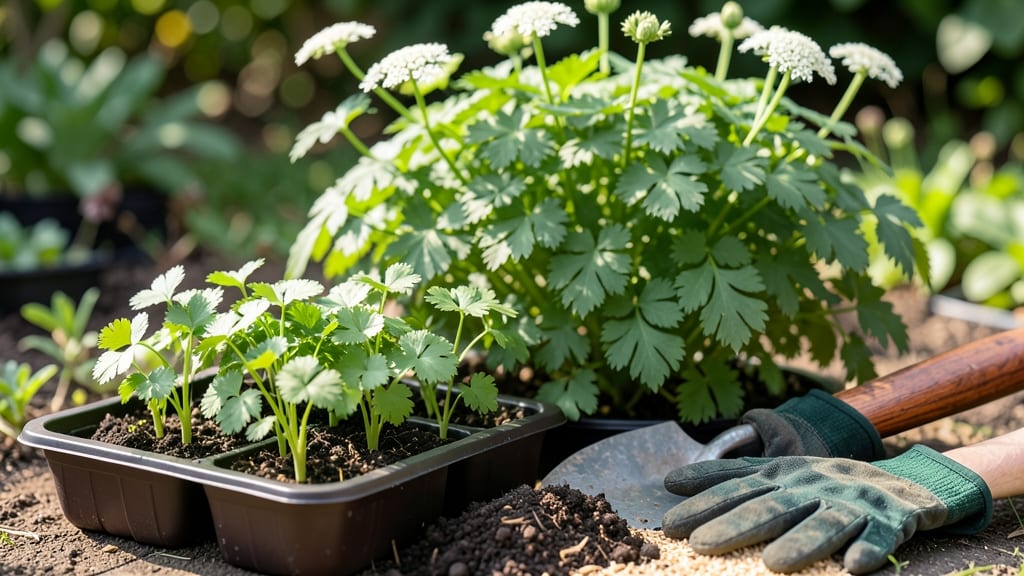
Timing your cilantro planting in Arizona isn’t just about following a calendar—it’s about outsmarting the heat to keep your 🌿 thriving and tasty. If you plant too early or too late, you’ll end up with bitter, bolting cilantro before you can even enjoy it.
The key is locking in those cool-season windows when temperatures cooperate, and I’ve got the exact schedule to avoid that frustrating "too hot, too soon" dilemma.
Most gardeners in USDA Zone 9b assume cilantro only grows in fall, but with the right tricks, you can actually extend your harvest into spring. The secret? Staggered plantings in September-November and again in February-March, paired with shade strategies that keep your cilantro happy even when Phoenix hits 100°F.
I’ll show you how to pick the perfect weeks to sow seeds so your plants mature before the heat forces them into flower mode.
What really sets Arizona cilantro apart is the microclimate game—whether you’re in Tucson’s high desert or Phoenix’s urban sprawl, your planting window shifts slightly.
You’ll learn how to read your local frost-free days (yes, even in Zone 9b!), adjust for monsoon moisture, and use mulch like a pro to keep roots cool. No more guessing games—just a foolproof system for fresh cilantro from October through April.
Ready to stop the bolting nightmare and enjoy cilantro that stays crisp and flavorful? Let’s dive into the exact planting calendar, shade hacks, and watering schedules that’ll make your Arizona garden the envy of the neighborhood. Your next perfect taco topping starts with the right timing—and I’ve got you covered.
Arizona’s best planting windows for cilantro: avoiding bolting in extreme heat
Arizona’s desert climate presents unique challenges for growing cilantro—the wrong timing can trigger premature bolting and turn your fresh herb into bitter seeds. Unlike cooler climates, Arizona gardeners must work with two distinct growing windows: fall and early spring.
These periods align with cooler temperatures and shorter daylight hours, which cilantro craves to thrive. Understanding your local microclimate (Phoenix’s low desert vs. Flagstaff’s high desert) is key to success.
Cilantro bolts when exposed to consistent temperatures above 80°F or long daylight hours. In Arizona, this means avoiding summer plantings entirely. Instead, focus on September through November for fall crops and February through March for spring.
These windows maximize leaf production while minimizing stress. Soil temperatures should stay between 60-75°F—any hotter, and your cilantro will rush to flower.
| Microclimate | Best Planting Window | Ideal Soil Temp | Shade Strategy | Harvest Window |
|---|---|---|---|---|
| Phoenix (Low Desert) | Late Aug - Oct Feb - early Mar |
60-75°F | 30% shade cloth afternoon sun |
Oct - Dec Mar - Apr |
| Tucson (Mid Desert) | Sep - Nov Jan - Mar |
55-70°F | 50% shade cloth morning sun |
Oct - Jan Mar - May |
| Flagstaff (High Desert) | Aug - Sep Apr - May |
50-65°F | No shade needed full sun tolerated |
Sep - Oct May - Jun |
In Phoenix and Tucson, the pre-monsoon window (late August) offers a brief opportunity to plant cilantro before temperatures climb.
However, by September, focus shifts to afternoon shade (30-50% shade cloth) to protect plants from intense afternoon sun. Flagstaff’s cooler high-desert climate allows for slightly earlier plantings in August and extends the harvest into early June, but avoid planting after May 15 to prevent bolting.
For fall plantings, aim to sow seeds 4-6 weeks before your first frost date (though Arizona rarely sees frost, October temperatures in Phoenix can drop to 60°F at night, signaling it’s time to plant).
In Tucson, where nights cool faster, you can extend plantings into early November. Spring plantings should begin in February—any earlier, and the longer daylight hours will trigger bolting.
Soil preparation is critical.
Arizona’s sandy soils drain too quickly, so amend with 2-3 inches of compost to retain moisture and nutrients. Mulch heavily (2-3 inches of straw or wood chips) to keep roots cool and reduce evaporation. Drip irrigation is ideal—water deeply every 3-5 days in fall and daily in spring to prevent stress.
Avoid overhead watering, which can promote fungal diseases in the humid monsoon season.
If you’re in a heat-prone zone like Phoenix, consider succession planting every 2-3 weeks from September through November. This ensures a continuous harvest before temperatures rise. For Tucson gardeners, a second planting in late January can yield harvests through April.
In Flagstaff, a single August planting often suffices, thanks to the cooler climate.
Monitor your cilantro closely for bolting signs: elongated stems, yellowing leaves, or flower buds. If you spot these, harvest immediately and remove the plant to prevent seed production. Shade cloth is your best friend in summer—even a 30% coverage can delay bolting by 2-3 weeks.
Pair cilantro with bush beans or basil to create a shade canopy naturally and improve leaf quality.
Remember, Arizona’s monsoon season (July-September) brings sudden downpours that can drown cilantro roots. If planting in late August, ensure your garden has excellent drainage and avoid watering during storms. For post-monsoon plantings (September), reduce watering frequency slightly to let soils dry between sessions and prevent root rot.
With these
Pro tips to extend cilantro harvests in Arizona’s climate: succession planting and shade hacks
Arizona’s brutal summers can send cilantro bolting faster than you can say "taco night." The secret to a steady harvest? Succession planting paired with smart shade strategies.
By staggering your plantings every 2-3 weeks from September through November—and again in February—you’ll create a rolling harvest that keeps your kitchen stocked with fresh leaves instead of bitter stems.
Most gardeners make the mistake of planting all their cilantro at once, only to watch it bolt by October. Instead, think of your garden like a cilantro assembly line: Plant a new batch just as the previous one hits peak harvest.
This way, you’re always getting fresh growth while older plants stay productive. For example, if your first batch bolts by mid-October, your second planting (sown 3 weeks later) will still be thriving.
- 📅 First planting: Late August-September (soil temps < 75°F)
- 🌿 Staggered batches: Every 2-3 weeks until November 1
- ☀️ Shade cloth: Use 30% coverage in September, upgrade to 50% by October
- 🌱 Spring restart: February 15-March 1 for second harvest window
- 💧 Watering: Deep soak every 2-3 days in 100°F+ heat
- 🌿 Companion plants: Pair with basil or beans to deter pests
Shade is your cilantro’s best friend in Arizona’s heat. A 30% shade cloth in September lets enough light for growth while keeping soil temps cool. By October, when temps creep toward 90°F+, switch to 50% coverage to prevent bolting.
Pro tip: Use white shade cloth—it reflects more heat than black or green options. You can also create natural shade by planting taller companions like sunflowers or corn on the north side of your cilantro patch.
Don’t overlook companion planting—it’s a game-changer for Arizona cilantro. Pair your cilantro with basil to repel pests like aphids, or plant beans nearby to fix nitrogen in the soil. Avoid planting near dill or fennel, though, as they’ll cross-pollinate and make your cilantro bolt faster.
I’ve had great success with a cilantro-basil-bean trio in containers, which also makes rotating crops easier.
Harvesting regularly is just as important as planting right. Pinch off outer leaves every 7-10 days to encourage bushier growth. If you see flower buds forming, snip them immediately—this redirects the plant’s energy back into leaf production.
In my garden, I harvest cilantro every 3 days during peak growth (October-November) and reduce to once a week in cooler months to avoid stressing the plants.
With these strategies, you can enjoy fresh cilantro from October through April—no bolting, no bitterness, just endless flavor. The key is staying one step ahead of the heat with staggered plantings, shade, and smart companions. Your taste buds (and your salsa) will thank you! 🌿✂️