
Plants
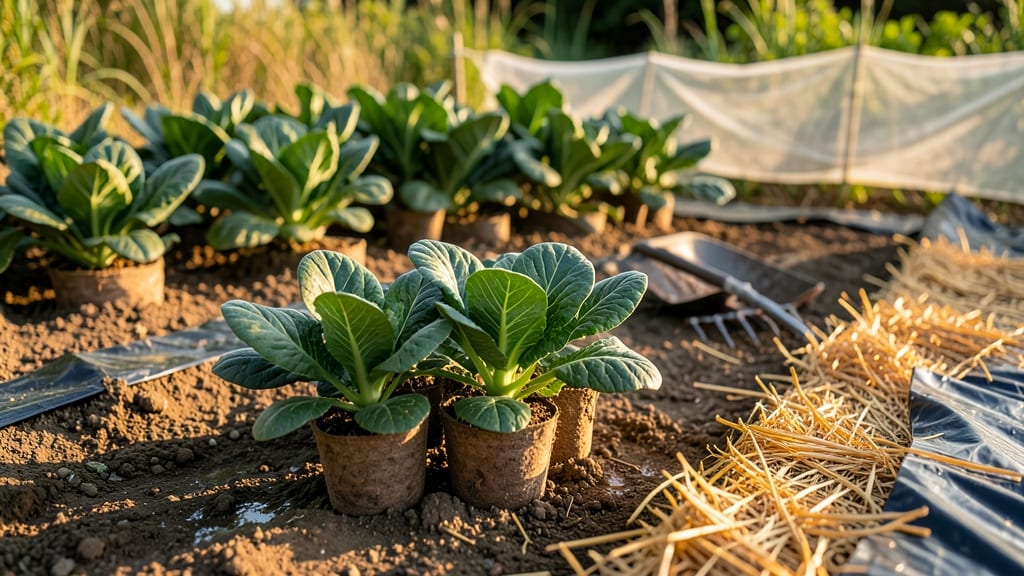
Planting collard greens 🥬 in Alabama isn’t just about timing—it’s about beating the heat and frost to unlock a harvest that lasts from spring to winter.
Too early, and a surprise frost could wipe out your seedlings; too late, and your greens might bolt or taste bitter before you even get to harvest. The key is working with Alabama’s 7a-8b zones, where the sweet spot lies between late winter and early fall.
Most Alabama gardeners swear by two planting windows: February-March for spring harvests and August-September for fall growth. But here’s the catch—your exact timing depends on whether you’re in the cooler hills of north Alabama or the warmer flats of the south.
I’ll break down the frost-free windows and heat thresholds so you can plant with confidence, whether you’re a first-timer or a seasoned gardener.
Why does this matter? Because collard greens are one of the most cold-hardy vegetables you can grow, thriving even when temperatures dip. But push them too early, and you’ll risk stunted growth; wait too long, and summer’s heat will turn your leaves tough and unpalatable.
The right timing means more tender greens, fewer bitter surprises, and a garden that keeps producing well into winter.
Ready to stop guessing and start growing? I’ll walk you through the exact planting schedule for your Alabama zone, soil prep tips, and how to stretch your harvest season—so you can enjoy fresh 🥬 collard greens from April through November without the stress.
Alabama’s ideal planting windows for collard greens by heat zone
Alabama’s USDA zones 7a-8b create perfect conditions for growing collard greens, but the right planting window prevents frost damage or heat stress. Unlike northern states, Alabama’s mild winters allow year-round production with careful timing.
The key is avoiding late spring heat (above 85°F) and early fall frosts (below 28°F).
Collard greens thrive in cool weather and can survive light frosts, making them ideal for Alabama’s fall and winter harvests. However, summer planting requires shade protection to prevent bitter leaves and slow growth. Let’s break down the best planting windows by zone to maximize your yield.
For USDA zone 7a, the safest planting window is mid-February to mid-March for spring harvests, followed by mid-August to mid-September for fall production. Gardeners in this zone face the highest frost risk, so use row covers for late fall plantings to protect young seedlings.
In zone 7b, you can start as early as February 1st for a spring harvest, but avoid planting after April 1st to prevent heat stress. The extended growing season here allows for two full harvests per year—spring and fall—with minimal risk of frost damage.
Southern Alabama’s zone 8a offers the longest growing season, letting you plant as early as mid-January for a spring harvest. However, summer planting after July 15th requires shade cloth (30-50%) to maintain tender leaves. The mild winters here also allow for winter harvests if protected from light frosts.
Gardeners in zone 8b enjoy the most flexibility, with planting possible year-round in microclimates. For optimal results, focus on January-April and July-October windows. Use mulch (straw or leaves) to insulate plants during unexpected cold snaps in late fall or early spring.
To test soil readiness, use your finger: press into the soil 1-2 inches deep. If it crumbles easily, it’s ready for planting. For direct sowing, aim for soil temperatures above 50°F. In Alabama’s heat zones, late afternoon shade is critical during summer months to prevent bolting.
Pro tip: Succession planting every 2-3 weeks in spring and fall ensures a continuous harvest. For example, plant one batch in February, another in March, and a final batch in August to stretch your harvest through winter.
Remember, collard greens are cold-hardy but not heat-tolerant. If your garden hits 90°F+, provide afternoon shade and increase watering frequency to every 2-3 days. With these zone-specific guidelines, you’ll avoid the common mistakes of overheating or frost damage while maximizing your Alabama collard harvest. 🌱
How to extend collard green harvests using Alabama’s microclimates
Alabama’s microclimates are your secret weapon for year-round collard greens 🥬. While most gardeners focus on spring and fall, the real trick is leveraging cooler mountain valleys and warmer coastal plains to stretch harvests.
For example, in USDA Zone 7a (like Huntsville), you can plant as early as January for a spring harvest, while Zone 8b (Mobile area) allows October plantings that thrive through winter. The key is matching varieties to your local climate.
Start with cold-hardy varieties like ‘Georgia Southern’ or ‘Blue Max’—these handle 25°F temps without flinching. For heat zones, opt for ‘Vates’ or ‘Top Bunch’, which tolerate 90°F+ better than standard types.
I’ve found that planting ‘Blue Max’ in late August in Birmingham gives me harvests until December, while the same variety in Montgomery’s heat bolts by October.
🌱 Numbered Highlights: Extend Your Collard Green Harvest
- 1. Succession Plant Every 3 Weeks: Sow new seeds every 21 days from February–September to ensure continuous harvests. Example: Plant Feb 15, March 8, April 1 for overlapping maturity.
- 2. Use Row Covers in Fall: Lightweight frost blankets (30°F rating) extend harvests 2–4 weeks past first frost in Zone 7a. Remove during day for pollination.
- 3. Mulch with Straw: A 4-inch layer of straw insulates roots, keeping soil 10°F warmer in winter and 5°F cooler in summer. Replenish every 2 months.
- 4. Shade Cloth in Summer: 30% shade cloth in June–August prevents bolting. Hang 4 feet above plants to allow airflow and avoid fungal issues.
- 5. Harvest Strategically: Pick outer leaves first, leaving inner growth intact. This method keeps plants producing for 6+ months if soil stays fertile.
Don’t overlook container gardening for urban Alabama gardeners. Grow ‘Top Bunch’ in 12-inch pots on patios—these thrive with morning sun and afternoon shade. I’ve had success in Birmingham balconies by planting in late spring and harvesting until first frost.
Just ensure pots have drainage holes and use moisture-retentive soil.
For winter harvests, focus on soil temperature. Collards grow best when soil stays above 45°F. In Zone 8a, plant September 15–October 1 for winter greens. Use a soil thermometer—if temps drop below 40°F, delay planting until November.
Pro tip: Pair collards with radishes or lettuce in the same bed. Radishes mature in 30 days, giving you an early harvest while collards establish. This intercropping method maximizes space and reduces pests like cabbage worms.
By combining succession planting, microclimate matching, and protective mulching, you can enjoy 🥬 collard greens from April through December—no matter where you garden in Alabama. Start small, experiment with varieties, and soon you’ll have a pantry stocked with homegrown greens year-round!