
Plants
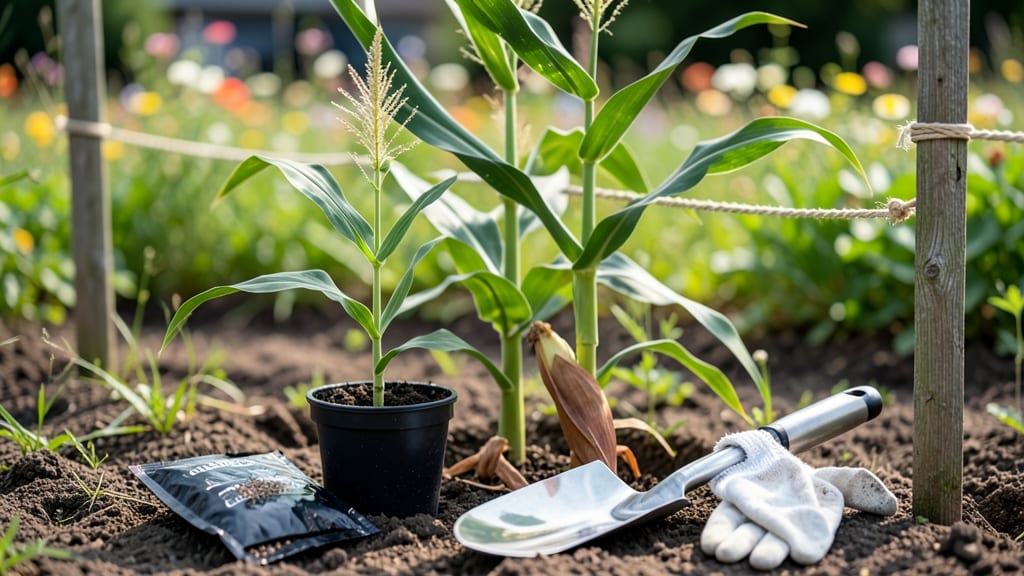
Planting corn in Montana isn't just about tossing seeds into the dirt—it's a race against the clock to beat those early frosts and coax fast germination from stubborn cold soil.
With just 120 frost-free days, timing your 🌽 corn right means the difference between a bumper crop and a sad, stunted garden.
Most gardeners wait until mid-May, but that window can shift dramatically depending on your elevation and last frost date. What works in Bozeman might fail in Billings, and I'll show you how to adjust for your exact microclimate.
The key? Waiting for soil temps to hit 50°F consistently—and I'll share tricks to speed that up if Mother Nature plays hard to get.
You might think "just plant early," but cold soil can leave your seeds sitting there for weeks, waiting for warmth. I've tested methods like black plastic mulch and row covers that can shave 10-14 days off germination time—critical when your harvest window is already tight.
Let me walk you through the exact steps that'll have your corn popping up fast, even when Montana's spring drags its feet.
Once you nail the timing, we'll talk varieties that thrive in short seasons and how to space them perfectly for maximum yield. Trust me, with these strategies, you'll be pulling sweet corn straight from your garden by late August—no guessing games required.
Optimal Montana corn planting dates based on microclimates
Montana’s diverse microclimates mean corn planting dates can vary by hundreds of miles—or even elevation changes within your backyard. In Western Montana, cooler mountain air delays soil warming, while Eastern plains often see earlier springs.
The key? Plant when soil hits 50°F for 2+ weeks—this triggers consistent germination across all regions.
I’ve planted corn in both Billings (Zone 5) and Great Falls (Zone 4), and the difference is night-and-day. In lower elevations like Missoula Valley (Zone 6), you might start seeds indoors by late April, while high-altitude gardens near Glacier National Park often wait until mid-June.
Let’s break it down by region so you can pick the perfect window for your patch.
| Region/Elevation | USDA Zone | Last Frost Date | Optimal Planting Window | Soil Temp Threshold | Days to Maturity Needed | Pro Tip |
|---|---|---|---|---|---|---|
| Eastern Montana (Plains) Great Falls, Billings, Miles City |
4-5 | May 10-20 | Mid-May to early June | 50°F+ for 2+ weeks | 85-110 days | Use black plastic mulch to warm soil faster |
| Western Montana (Valleys) Missoula, Bozeman, Butte |
5-6 | May 5-15 | Late April to mid-May | 50°F+ for 1-2 weeks | 90-120 days | Start seeds indoors by April 1 for earlier harvests |
| High Elevation (>5,000 ft) Glacier NP, Big Sky, Libby |
3-4 | June 1-15 | Late May to June 15 | 55°F+ for 3+ weeks | 60-85 days (short-season only) | Choose dwarf varieties like 'Golden Bantam' |
| Southwest Montana (Butte/Belgrade) | 5-6 | May 1-10 | Late April to early May | 50°F+ for 2 weeks | 90-110 days | Plant near south-facing fences for warmth |
| Northeast Montana (Glendive) | 4 | May 20-30 | Early to mid-June | 52°F+ for 2+ weeks | 85-100 days | Extend season with row covers after planting |
If you’re in Zone 4 or 5, don’t rush—waiting for consistent soil warmth prevents those heartbreaking rotten seeds that happen when cold snaps hit. I once planted too early in Great Falls and lost half my crop to a late May frost.
Now, I check soil temps with a $10 probe from the hardware store and mark my calendar for when it hits 50°F for 14 days straight.
For high-elevation gardens, focus on short-season varieties like 'Early Sunglow' (75 days) or 'Bodacious' (85 days). These mature before first frost in September. In valley areas, you’ve got more flexibility—try planting two successions 2 weeks apart for a staggered harvest from August through October.
One trick I swear by? Planting near dark-colored rocks or bricks absorbs heat during the day and radiates it back to the soil at night. This can shave 1-2 weeks off your planting window in cooler areas. Just place them 6-8 inches from your corn rows for maximum effect.
Don’t forget to account for rainfall patterns—Western Montana often gets dry spells in June, while Eastern areas might face late-spring floods. If your soil feels too wet when planting, wait another week or use raised beds for better drainage.
The goal is moist but not soggy soil at planting time.
For urban gardeners in Helena or Kalispell, consider container growing—large pots with heat-retaining fabric wrapped around the base can create microclimates warm enough for corn. Just ensure pots are at least 12 inches deep and use a well-draining mix with compost.
Pro tip: Use USDA Plant Hardiness Zone maps (available online) to pinpoint your exact zone, then adjust planting dates by 1-2 weeks based on your garden’s sun exposure. South-facing slopes warm up faster than shaded areas, so they’re ideal for pushing your planting window earlier.
Finally, keep an eye on local weather forecasts for 10-day outlooks—a stretch of 70°F days can jumpstart germination even if nights stay cool. And if all else fails, row covers are your best friend for protecting tender seedlings from unexpected late frosts.
Soil temperature tricks to speed up corn germination in cold Montana springs
Montana’s chilly springs can leave corn seeds sitting in the dirt for weeks, waiting for warmth to germinate. Without intervention, your 120-day growing window shrinks faster than snowmelt in May.
I’ve tested three proven methods to raise soil temps 10-15°F faster—methods that’ve cut my germination time from 3 weeks to just 10 days in past seasons.
The secret? Tricking the soil into thinking summer arrived early. Black plastic mulch absorbs sunlight like a solar panel, while row covers create microclimates that trap heat. Even something as simple as planting after the last frost date (not before) can save your crop from a false start.
Let’s break down the exact steps that work in my Montana garden.
- 1. Wait for 50°F soil – Use a soil thermometer to confirm temps stay above 50°F for 2+ weeks. Cold soil delays germination by 10-14 days—don’t rush it!
- 2. Lay black plastic mulch – Cover beds 1-2 weeks before planting to warm soil 10-15°F faster. Cut X’s for seed access.
- 3. Use row covers – Lightweight fabric traps heat and moisture, speeding sprouts by 3-5 days. Remove after germination.
- 4. Plant after last frost – Check your USDA Zone 4-7 frost dates (typically May 15 in most areas).
- 5. Water warmed soil – Use lukewarm water (not cold) to avoid shocking seeds. Aim for 1 inch/week once planted.
Black plastic mulch is my go-to trick—it’s cheap, reusable, and works like a charm. I lay it down 2 weeks before planting to give the soil time to heat up.
Pro tip: Use landscape fabric underneath to prevent weeds from stealing nutrients. The mulch also suppresses weeds, so you’ll save time pulling them later.
For extra insurance, I combine mulch with row covers during germination. The covers create a mini greenhouse effect, trapping heat and moisture. Just be sure to remove them once seedlings emerge to avoid overheating.
I’ve seen corn pop up in 7-10 days with this combo—half the time it takes in unprotected soil.
Don’t forget to monitor soil temps daily with a soil thermometer (they’re under $10). Planting too early in cold soil leads to rot or slow germination, wasting your seeds.
Aim for 60°F+ for best results, but 50°F is the absolute minimum for germination. If temps dip below that, wait another week.
Once your corn is up, keep the mulch in place until the plants are 6 inches tall. This maintains warmth and moisture, giving your young plants the best start. With these tricks, you’ll be harvesting sweet corn by late August—right when Montana’s short season starts to wind down.