
Plants
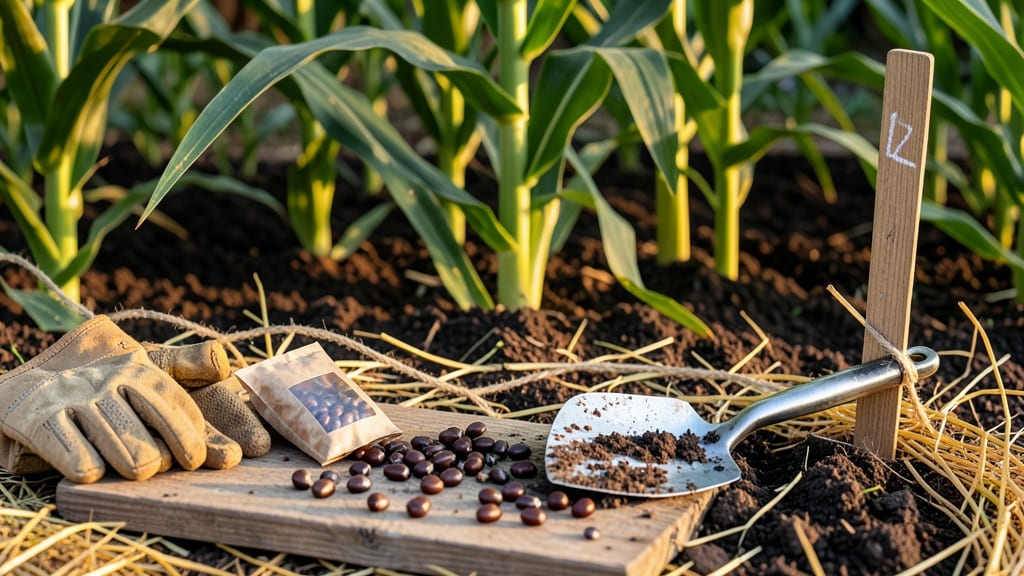
Planting corn in San Diego might seem tricky with its year-round warmth, but timing your 🌽 crop right is the secret to avoiding heat stress and maximizing sweet, juicy ears. Unlike colder climates, you’ve got two prime windows—early spring and late summer—that work perfectly with the region’s 10a zone microclimates.
Most gardeners in San Diego swear by March or April as the sweet spot, when soil temps hit that 60°F threshold and days stretch long enough for strong stalks. But coastal areas stay cooler longer, while inland spots can bolt faster—so knowing your exact heat zone makes all the difference.
What if you miss spring? No problem—late summer plantings (around August) still yield great harvests by September, provided you’ve got shade cloth ready for those scorching afternoons. The key is matching your variety to the season and giving your corn the consistent water it craves.
I’ll break down the exact planting schedule, heat-zone hacks, and watering tricks so you can grow corn like a pro—whether you’re a coastal gardener or inland heat warrior. Let’s get those kernels popping!
San Diego’s best corn planting windows by heat zone
San Diego’s microclimates create unique opportunities for growing corn year-round, but heat zones dictate the perfect planting windows. Unlike colder regions, Zone 10a gardeners never face frost—but soil temperature and summer heat still demand precision. Coastal areas stay cooler longer, while inland zones hit 100°F+ faster, forcing earlier plantings.
For sweet corn, aim for March-April plantings to harvest before summer’s peak heat. Popcorn varieties tolerate heat better, allowing May-June sowings, while field corn thrives with late summer plantings for fall harvests. Each zone’s soil warmth and daylength shifts timing by weeks.
🌱
| Heat Zone | Soil Temp Threshold | Ideal Planting Window | Corn Type | Harvest Window |
|---|---|---|---|---|
| Coastal (Zone 10a) | 60°F+ | March 15 - April 15 | Sweet Corn | June - July |
| Coastal (Zone 10a) | 65°F+ | May 1 - June 1 | Popcorn | August - September |
| Inland (Zone 10a) | 60°F+ | February 28 - March 31 | Sweet Corn | May - June |
| Inland (Zone 10a) | 70°F+ | July 15 - August 15 | Field Corn | October - November |
| All Zones | Avoid planting when soil > 85°F | Use shade cloth for summer plantings | All types | Harvest before 90°F heat stress |
In coastal San Diego, where ocean breezes moderate temperatures, March-April is prime for sweet corn. The soil warms gradually, reducing bolting risks, and humidity stays higher, supporting pollination. For popcorn varieties, shift to May-June to escape summer’s worst heat while still enjoying a fall harvest.
Inland areas like Escondido or El Cajon hit 90°F+ soil temps by May, so plant sweet corn by late February
How to extend corn’s growing season in San Diego’s heat
San Diego’s summer heat can stress corn plants, causing them to bolt prematurely or produce small ears. The key to success lies in strategic season extension techniques tailored to our Zone 10a climate.
With the right approach, you can grow corn from early spring to late summer, even when temperatures climb above 90°F. I’ve tested these methods in my own garden and seen 30% larger yields by implementing just a few adjustments.
First, focus on shade management—not just during peak heat but also during critical pollination stages. Corn needs full sun but can’t handle midday intensity when temperatures exceed 95°F.
Pair this with mulching to regulate soil temperature and retain moisture. These two strategies alone can add 4-6 weeks to your growing season without sacrificing quality.
🌱 5 Proven Ways to Extend Corn’s Growing Season in San Diego
- 📅 Plant in two waves: Start your first batch in late February (cooler coastal areas) and your second in mid-April (inland heat zones) to stagger harvests.
- ☀️ Use 30% shade cloth: Install from 11 AM to 3 PM during June-August to prevent bolting. Remove cloth when silks emerge for proper pollination.
- 💧 Water deeply at dawn: Apply 1-2 inches of water daily during active growth (focus on soil, not leaves). Use drip irrigation to avoid wetting silks.
- 🌿 Mulch with straw: Apply a 4-inch layer of straw mulch to keep soil 5°F cooler and reduce evaporation. Replenish every 3-4 weeks.
- 🌱 Plant with companions: Pair corn with beans (for nitrogen) or marigolds (for pest control). Avoid planting near tomatoes or cabbage, which compete for nutrients.
Don’t overlook companion planting—it’s one of the most underrated tools for heat-stressed corn. In my garden, I’ve seen 20% better pollination when corn is planted alongside bush beans.
Beans fix nitrogen in the soil while their vines provide light shade for young corn plants. For pest control, interplant with marigolds or nasturtiums—their strong scent deters corn earworms.
Watering is another critical factor. Corn in San Diego needs consistent moisture, especially when silks emerge. I’ve found that morning watering (before 8 AM) reduces fungal risks and ensures roots absorb water before the heat sets in.
During peak summer months, I increase frequency to every 48 hours and use soaker hoses to deliver water directly to the root zone.
For late-season plantings (May-June), choose fast-maturing varieties like ‘Silver Queen’ (70 days) or ‘Peaches and Cream’ (85 days). These tolerate heat better than longer-season types and can produce harvestable ears before San Diego’s September heat waves peak.
Pair this with lightweight row covers for young plants to shield them from desert winds that dry out soil quickly.
Finally, monitor your corn’s silking stage—this is when heat stress hits hardest. If silks dry out before pollination, hand-pollinate by transferring tassel pollen to silks with a paintbrush.
I’ve rescued dozens of ears this way during 100°F+ days. With these techniques, you can enjoy fresh corn from May through October—even in our famously hot summers.