
Plants
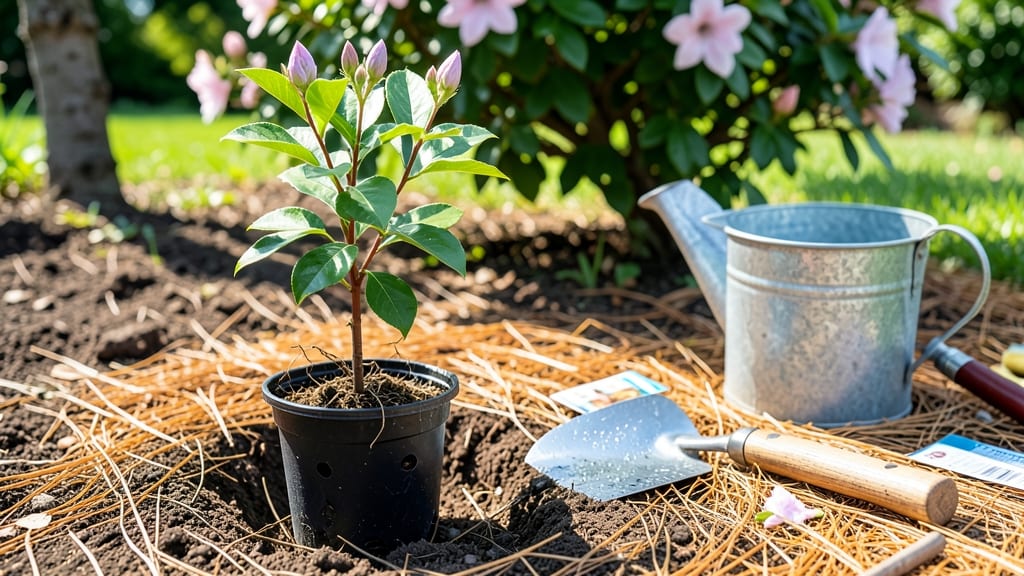
Planting your crepe myrtle 🌸 at the wrong time in North Carolina could mean watching your dream tree struggle—or worse, die—before it ever gets a chance to bloom.
The secret to success lies in understanding your specific USDA zone and timing the planting just right, so your tree establishes strong roots before summer heat or winter frost hits.
Most gardeners in North Carolina know spring is the best window, but did you know the exact 4-6 week window before your last frost date is critical?
Whether you're in the cooler 6a zones of the mountains or the warmer 8b areas near the coast, getting this timing right means the difference between a thriving tree and one that barely survives. Let me show you how to nail it.
We'll break down exactly when to plant—whether you're going with the classic spring approach or considering fall planting—and what to watch for in your local climate.
You'll also discover how to prepare your soil, choose the right varieties for your area, and even troubleshoot common mistakes that could set your crepe myrtle back months.
By the end, you'll have a clear timeline tailored to your corner of North Carolina, plus pro tips to give your tree the best possible start. Ready to transform your landscape with these stunning bloomers? Let's get planting!
North Carolina USDA zones & ideal planting months for crepe myrtles
North Carolina spans USDA zones 5b through 8a, creating diverse planting conditions for crepe myrtles. These zones determine your frost-free window and ideal planting months, which can vary by 5-6 weeks across the state.
In cooler zones like 5b-6a, you’ll want to plant earlier to avoid late spring frosts, while zone 8a gardeners enjoy longer growing seasons.
Crepe myrtles thrive when planted during their dormant season, either in early spring (March-April) or fall (October-November). Spring planting gives roots time to establish before summer heat, while fall planting avoids summer stress. The key is avoiding extreme heat or frost during the first 4-6 weeks after planting.
Here’s your zone-by-zone planting guide with frost-free dates and ideal windows to maximize success:
For zone 5b-6a (mountain regions like Asheville), aim for March 15-April 15 planting. Soil temperatures should reach 50-55°F to prevent shock. In zone 7b-8a (coastal areas like Wilmington), you can plant as early as February 1 or even extend into May if using container-grown plants.
If you’re in zone 6b-7a (Piedmont region), the ideal window is late February to mid-April. This gives roots time to establish before summer heat. Always check your local frost dates—tools like the NC State Climate Office provide hyper-local data for precise timing.
One common mistake is planting too early in cold zones or too late in warm zones. In zone 5b, planting before March 15 risks frost damage, while in zone 8a, waiting until May can stress plants during peak summer heat.
Use container-grown crepe myrtles for flexibility if your zone’s window is tight.
Pro tip: For fall planting (October-November), focus on zones 7b-8a where first frosts arrive later. Plant 6-8 weeks before frost to allow roots to establish. In cooler zones, stick to spring planting—fall’s early frosts can damage tender roots.
Always prepare your planting hole with well-draining soil and a 2-3 inch layer of mulch to retain moisture. Crepe myrtles hate soggy roots, so amend heavy clay soils with compost or sand in zones with poor drainage.
🌸
Spring vs. fall planting: which works best for North Carolina climates?
North Carolina's diverse microclimates make choosing between spring vs. fall planting a critical decision for crepe myrtles. The mountains (Zone 6a) face earlier frosts, while the coast (Zone 8b) enjoys milder winters—each requiring different strategies.
Let's compare both seasons to help you pick the perfect timing for your crepe myrtle's success.
Spring planting (March-April) gives your tree a 6-8 week head start before summer heat arrives. The soil warms naturally, encouraging root establishment before the dog days of summer. However, late spring plantings risk stress from sudden heatwaves or drought conditions.
Fall planting (October-November) offers cooler temperatures and reduced competition from weeds, but must finish root growth before first frosts hit.
Spring Planting (March-April)
- ✅ Faster root growth with warming soil
- ✅ Full summer to establish before heat
- ✅ Easier watering before drought season
Cons
- ❌ Late plantings may stress trees
- ❌ Weed competition increases
- ❌ Soil may dry out quickly
Fall Planting (October-November)
- ✅ Cooler temps reduce transplant shock
- ✅ Less weed pressure in garden
- ✅ Established roots before winter
Cons
- ❌ Timing critical before frost
- ❌ Slower growth in cooler months
- ❌ Limited time for root establishment
For spring planting, aim for 4-6 weeks before your last frost date—typically mid-March to early April in most of NC. Test your soil temperature (ideal: 60°F+
In cooler mountain zones (6a), wait until late April to avoid frost damage. Always water deeply after planting and mulch heavily to retain moisture during summer's heat. If choosing fall planting, focus on Zone 7b and above where winters are milder. Plant 6-8 weeks before first frost—usually mid-October—giving roots time to establish before winter. Avoid fall planting in Zone 6a where frosts can come early. Water thoroughly after planting and reduce watering as temperatures drop, but keep soil slightly moist until ground freezes. Remember, crepe myrtles thrive with full sun, so choose a sheltered location if planting in fall to protect young trees from winter winds. Whether you plant in spring or fall, amending your soil with compost and ensuring proper drainage will give your tree the best possible start in North Carolina's challenging climate. 🌱