
Plants
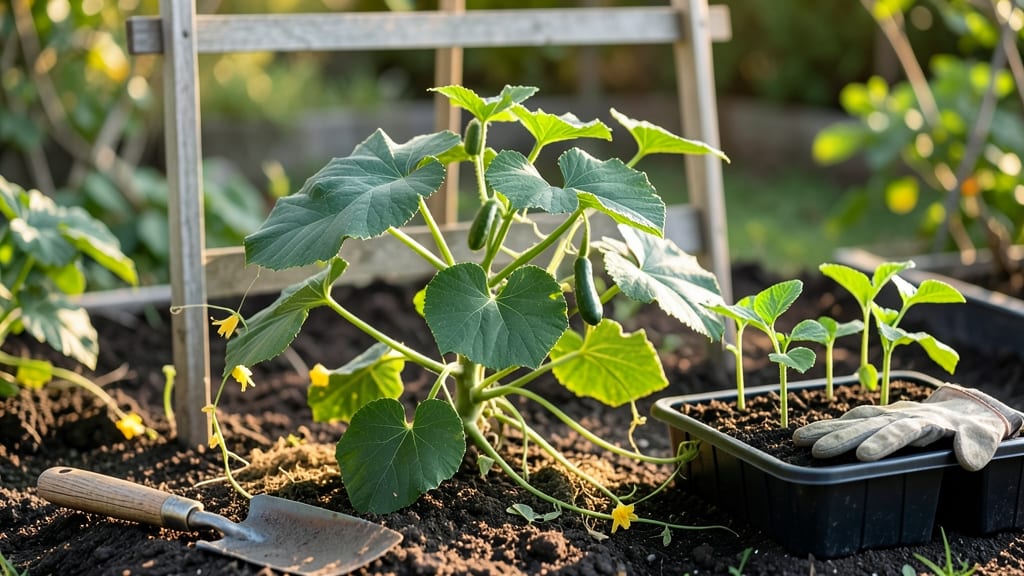
Planting cucumbers in Zone 6b at the wrong time can mean the difference between a bountiful harvest of crisp, homegrown 🥒 and a sad, wilted vine.
The key to success lies in waiting until the soil warms to at least 60°F and all frost danger has passed—usually between mid-April and early June.
Why does timing matter so much? Cucumbers are heat-loving plants that bolt or rot in cold soil, and a late frost can wipe out your seedlings before they even get started.
I’ve learned the hard way that rushing the process often leads to disappointment, so patience is your best friend here.
In this guide, I’ll break down the exact frost-free window for Zone 6b, share tips for warming your soil faster, and explain whether you should start with transplants or sow seeds directly.
Whether you’re a seasoned gardener or just starting out, these insights will help you grow cucumbers that thrive all summer long.
Ready to grow cucumbers that produce until early fall? Let’s dive into the perfect planting schedule and care tips to make your harvest last from late June through September.
Zone 6B cucumber planting timeline: frost dates and soil temperature guide
Cucumbers thrive in Zone 6B's warm summers, but their 60°F soil temperature requirement means timing is critical. The average last frost date in Zone 6B falls around April 15, but your exact window depends on local microclimates—like south-facing slopes warming faster than shaded valleys.
Start planning now to avoid frost damage or missed harvests.
For direct sowing, wait until two weeks after your last frost date when soil consistently stays above 60°F. Most Zone 6B gardeners aim for mid-May as a safe bet.
If you're using transplants, you can start slightly earlier—around late April—but protect them with row covers if nights dip below 50°F.
Soil temperature is your best guide, not just calendar dates. Use a soil thermometer to confirm warmth before planting. Cucumber seeds won’t germinate below 55°F, and growth stalls under 65°F. Black plastic mulch can raise soil temps by 5-10°F, giving you a 2-week earlier planting window in cooler microclimates.
Here’s your Zone 6B cucumber planting timeline at a glance, including soil prep and variety choices:
| Stage | Action | Soil Temp | Notes |
|---|---|---|---|
| Soil Prep | Test pH (6.0-6.8), add compost | — | Do 4-6 weeks before planting |
| Early Varieties | Direct sow or transplant | ≥60°F | Late April–early May |
| Main Varieties | Direct sow after frost | ≥65°F | Mid-May–early June |
| Late Succession | Sow every 2 weeks | ≥60°F | June–July for fall harvest |
| Harvest Window | Pick regularly | — | Late June–September |
🌱 Pro Tip: Use black plastic mulch to warm soil faster and extend your planting window by 2 weeks.
Choose early-maturing varieties (like 'Straight Eight' or 'Bush Champion') for late-April plantings—they’ll bear fruit before summer heat peaks. Standard varieties (e.g., 'Marketmore') thrive when planted in mid-May, giving them time to mature before fall frosts arrive around October 15.
If your garden has microclimates, adjust your timeline accordingly. South-facing beds warm 3-5 days earlier than north-facing spots, while low-lying areas may need row covers for an extra 2-week buffer. Always monitor your local Almanac frost predictions—they’re updated annually and account for long-term trends.
For container growing, start seeds indoors 3-4 weeks before your last frost date and transplant when soil warms. Containers heat up faster, so use self-watering pots to maintain consistent moisture. Dwarf varieties like 'Spacemaster' work well in 5-gallon containers.
Don’t forget to harden off transplants if you’re starting them early indoors. Acclimate them to outdoor conditions over 7-10 days before planting to prevent transplant shock. This step is especially critical in Zone 6B, where temperature swings can stress young plants.
Once planted, mulch heavily to retain soil moisture and warmth. Straw or shredded leaves work well, and they’ll also suppress weeds—a major headache for cucumbers with sprawling vines. Aim for 2-3 inches of mulch once plants are established.
🌿 Ready to plant? Bookmark this timeline and check your soil temperature daily in the days leading up to your target date. The perfect Zone 6B cucumber harvest starts with patience and precision—now you’ve got both!
How to extend your cucumber growing season in Zone 6B: cold frames, row covers, and succession planting
Zone 6B gardeners know that summer harvests don’t have to end with the first frost. By using cold frames, row covers, and succession planting, you can extend your cucumber harvest well into fall—sometimes even until October.
I’ve successfully pushed my last harvests into early October using these techniques, and I’ll show you how to do it too.
The key is choosing the right cucumber varieties and timing your plantings strategically. Early-maturing varieties like ‘Straight Eight’ (50 days) can be planted as soon as soil warms, while late-season varieties like ‘Marketmore 76’ (65+ days) thrive when planted in mid-July for a fall harvest.
Pairing these with protective structures gives you a double harvest advantage.
Early vs. Late Planting Strategies
Early Planting (May)
- Pros: Longer harvest window
- Pros: Warmer soil for faster germination
- Cons: Risk of late frost damage
- Cons: Requires row covers for protection
Late Planting (July)
- Pros: Avoids early-season pests
- Pros: Cooler temps reduce bolting
- Cons: Shorter harvest window
- Cons: Needs cold frame protection
Row covers are my go-to for extending the season—they create a microclimate that traps heat and protects plants from light frosts. Lightweight fabric (like frost cloth) lets in sunlight while shielding cucumbers from temperatures down to 28°F.
For even longer protection, a cold frame can push harvests into November if you live in a sheltered microclimate. I’ve used a simple DIY cold frame made from wood and plexiglass to keep my vines producing until hard frost.
Succession planting is another game-changer. Instead of planting all your cucumbers at once, stagger them every 2-3 weeks after the last frost. This ensures a steady supply of fresh cucumbers from June through September.
For example, plant your first batch in early May, the second in late May, and the third in early June. Each batch will mature at different times, giving you a continuous harvest.
Don’t forget to choose disease-resistant varieties like ‘Corinto’ or ‘Lemon Cucumber’ for your fall plantings. These varieties handle cooler temperatures better and are less prone to mildew, which is common when nights get chilly.
Pair them with black plastic mulch to keep soil warm and suppress weeds—this simple trick can add 1-2 weeks to your growing season.
With these techniques, you can enjoy homegrown cucumbers well beyond the typical summer harvest. Start with row covers for early protection, use cold frames for late-season extensions, and never plant all your seeds at once. Your taste buds—and your dinner table—will thank you all fall long! 🌱🥒