
Plants
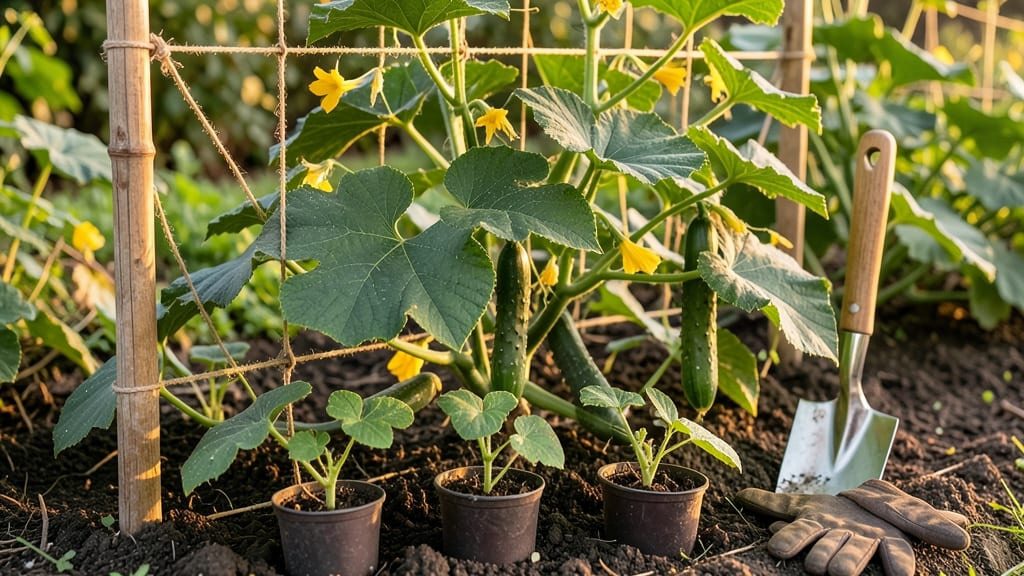
Planting cucumbers at the wrong time in Zone 8a could mean missing out on a bountiful harvest—or worse, watching your 🥒 vines struggle through heat or frost. The secret to success lies in understanding your local frost dates and soil conditions, which can shift your planting window by weeks.
For most gardeners in Zone 8a, the ideal time to plant cucumbers is mid-February to early April, but there’s a catch: you must wait until after the last frost—typically around March 15.
Soil temperature also plays a critical role; cucumbers thrive when the ground reaches at least 60°F, which often happens a few weeks after frost danger passes.
If you’re eager for a second harvest, don’t overlook the fall window. Late July to August plantings can yield cucumbers through September and October, provided you choose heat-tolerant varieties and protect young plants from late-season heat stress.
Whether you’re a beginner or a seasoned gardener, timing is everything. I’ll walk you through the exact steps to plant cucumbers for maximum yield—plus, the best varieties for Zone 8a’s climate. Let’s get those vines growing the right way.
Optimal planting weeks before last frost in Zone 8A for cucumber success
In Zone 8A, where the last frost date typically falls around March 15, cucumbers thrive when planted at the right time. The key is balancing soil warmth and frost-free conditions—plant too early, and frost will kill tender seedlings; too late, and summer heat stress reduces yields.
For most cucumber varieties, aim to sow seeds 3-4 weeks before your last frost or transplant 2 weeks after frost when soil temperatures hit 60°F+. This timing ensures vines establish before peak summer heat arrives.
Zone 8A’s long growing season (210+ frost-free days) allows for two planting windows: a spring harvest (March–April) and a fall harvest (July–August).
Spring plantings should start indoors 4-6 weeks before transplanting, while fall plantings can go directly into the ground 8-10 weeks before the first frost (around November 15). Understanding these windows helps avoid overlapping heat stress or premature frost damage.
Direct sowing vs. transplanting is a critical choice. Direct sowing (planting seeds outside) is best for heat-tolerant varieties like 'Straight Eight' or 'Marketmore,' as it hardens seedlings naturally. Transplanting (starting indoors) works better for delicate heirlooms like 'Lemon Cucumber' or 'Armenian,' giving them a head start.
However, handle transplants gently—their roots are fragile, and transplant shock can delay growth.
| Planting Method | Optimal Time (Zone 8A) | Soil Temp Requirement | Harvest Window | Best Varieties |
|---|---|---|---|---|
| Direct Sowing (Spring) | 3-4 weeks before last frost (Feb 15–March 1) | 60°F+ (15°C+) | May–July | 'Straight Eight,' 'Marketmore' |
| Transplanting (Spring) | 2 weeks after last frost (March 20–April 5) | 55°F+ (13°C+) | May–July | 'Lemon Cucumber,' 'Armenian' |
| Direct Sowing (Fall) | 8-10 weeks before first frost (July 15–Aug 1) | 65°F+ (18°C+) | September–October | 'Suyo Long,' 'Diva' |
| Soil Prep Tip | Test pH (6.0–6.8), add compost | Warm soil faster with black plastic mulch | Use trellises to save space | Avoid overcrowding (12–24" spacing) |
Soil temperature is non-negotiable for cucumbers. They won’t germinate below 50°F (10°C), and growth stalls below 60°F (15°C). Use a soil thermometer to confirm readiness—planting too early in cool soil leads to poor root development and weak vines.
In Zone 8A, black plastic mulch can raise soil temps by 5–10°F, accelerating germination and extending the growing season. Lay it down 1–2 weeks before planting to give the soil a warmth boost.
For direct sowing, plant seeds ½ inch deep and 12–24 inches apart, depending on the variety. Bush types (like 'Bush Champion') can handle closer spacing, while vining varieties (like 'Sweet Success') need more room.
Thin seedlings to the strongest 2–3 plants per hill once they’re 2–3 inches tall—this reduces competition and improves fruit quality. If transplanting, harden off seedlings for 7–10 days before moving them outside to prevent shock.
Zone 8A’s summer heat can stress cucumbers, so plan for succession planting if you want a continuous harvest. After your first planting, sow a second batch 4–6 weeks later to fill gaps as early crops mature.
This works especially well for fall harvests, where late July or August plantings produce cucumbers just before the first frost. Just be sure to use heat-tolerant varieties like 'Suyo Long' or 'Diva' for these later plantings.
One common mistake in Zone 8A is ignoring microclimates. South-facing beds warm up faster and are ideal for early plantings, while shaded areas may need row covers to protect seedlings from late frosts.
Also, avoid planting cucumbers where cucurbits (squash, melons) grew the previous year—this prevents soil-borne diseases like powdery mildew. Rotate crops and amend soil with compost or aged manure to improve drainage and fertility.
Finally, don’t overlook trellising. Cucumbers trained on a trellis or cage produce straighter, cleaner fruits and improve air circulation,
How to adjust planting time for extended harvests in hot Zone 8A summers
Zone 8A summers can push cucumbers to their limits with consistent 90°F+ temperatures, but smart adjustments let you extend harvests well into fall. The key lies in succession planting, heat-tolerant varieties, and strategic mulching to prevent wilting.
Unlike spring plantings, summer cucumbers need shade protection and deep watering to thrive when daytime highs soar.
I’ve learned that planting cucumbers in late July or early August gives them enough time to mature before fall frosts arrive in November. This timing aligns with Zone 8A’s 210 frost-free days, maximizing your growing window.
For continuous harvests, stagger plantings every 2-3 weeks—this ensures fresh cucumbers from August through October.
- 📅 Plant heat-tolerant varieties like 'Straight Eight' or 'Lemon Cucumber' after July 15 for fall harvests. These varieties handle 95°F+ temps better than standard types.
- 🌱 Use black plastic mulch to raise soil temps by 5-10°F and suppress weeds. Lay it down 2 weeks before planting for best results.
- 💧 Water deeply in mornings (1-2 inches per week) to prevent blossom-end rot. Drip irrigation works best to avoid wetting leaves.
- 🌿 Provide afternoon shade with 30% shade cloth during peak heat (1 PM–5 PM). This prevents wilting without stunting growth.
- 🌱 Succession plant every 2 weeks from late July to early September for a continuous harvest until frost.
One mistake I’ve made is planting too early in summer—cucumbers bolt (flower prematurely) when stressed by heat. To avoid this, wait until soil temps hit 65°F+ before sowing seeds. For transplants, harden them off for 7-10 days before moving to the garden to reduce shock.
Mulching is non-negotiable in Zone 8A summers. I use straw or wood chips around plants to retain moisture and regulate soil temps. This simple step cuts watering needs by 30% while keeping roots cool. Pair it with drip irrigation for consistent moisture—cucumbers hate dry spells!
For extended harvests, prioritize bush varieties like 'Bush Champion' over vining types—they mature faster and handle heat better. Harvest cucumbers every 2-3 days to encourage more production. If you miss this, vines get overloaded, and fruit turns bitter or shriveled.
With these adjustments, I’ve stretched my cucumber season from August to October in Zone 8A—far beyond what I’d get with a single spring planting. The secret? Heat-tolerant varieties + mulch + staggered plantings keep cucumbers productive when most gardens give up. 🌱