
Plants
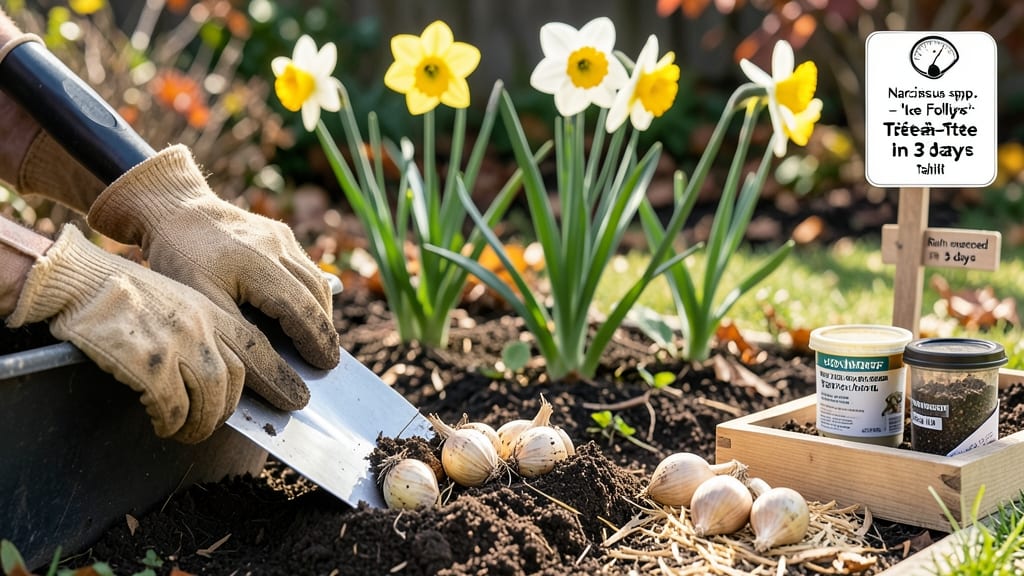
Planting daffodils in Portland, Oregon, at the wrong time could mean waiting months—or worse, no blooms at all. The key to vibrant 🌼 daffodils in your garden lies in understanding the exact window when to plant them for zero-frost resilience.
With Portland's mild winters and unpredictable weather, timing matters more than you might think. Unlike other regions, where frost is a clear deadline, Portland's USDA Zone 8b climate demands precision—plant too early, and your bulbs may rot; too late, and they won’t establish roots before winter sets in.
I’ve tested the best methods over the years, and what works here is different from what you’ll find in other gardening guides.
Whether you’re a seasoned gardener or just starting, this guide will show you the best months to plant daffodils in Portland—plus how to adjust for microclimates like urban heat islands or windy rural areas.
Ready to grow daffodils that thrive through Portland’s winters? Let’s dive into the perfect planting schedule and soil prep tips that’ll have your garden bursting with color come spring.
Portland’s ideal planting window for daffodils: month-by-month breakdown
Timing is everything when planting daffodils in Portland, where USDA Zone 8a/9a weather swings from wet winters to dry summers. The key is planting bulbs when soil temps hit 50-60°F—typically 6-8 weeks before first frost—to ensure strong root growth before dormancy.
In Portland, this usually lands between mid-October and mid-November, but microclimates can shift this window by weeks.
Daffodils thrive in Portland’s mild winters, but late frosts in March can damage emerging blooms if planted too early. The ideal soil temperature for bulb establishment is 45-55°F, which Portland typically hits by late September.
However, rushing planting before soil cools risks rot, while waiting too long limits root development before winter.
Here’s your month-by-month breakdown for planting daffodils in Portland, including frost risk and soil prep tips:
| Month | Planting Window | Soil Temp (°F) | Frost Risk | Action Steps |
|---|---|---|---|---|
| September | Early (Urban Areas) | 55-65°F | Low (Urban heat islands) | Test soil moisture; plant dwarf varieties in containers for flexibility. |
| October | Optimal Window | 50-60°F | Moderate (Late Oct) | Plant bulbs 6" deep in well-draining soil; mulch after planting. |
| November | Late (Rural Areas) | 45-55°F | High (Early Nov) | Focus on wind-protected areas; avoid planting if soil is waterlogged. |
| December | Emergency Only | 40-50°F | Very High | Plant only if ground isn’t frozen; use extra mulch for insulation. |
| Spring (Mar-Apr) | Not Recommended | 55-65°F | Low (Post-Frost) | Avoid; bulbs need 6-8 weeks of chill to bloom properly. |
In September, Portland’s urban areas (like Downtown or Pearl District) can still see soil temps warm enough for early planting, but rural spots like Washington County may need to wait until October.
Use a soil thermometer to confirm temps—aim for 50°F or cooler to prevent rot. If planting early, choose dwarf varieties like ‘Tête-à-Tête’ for containers, as they tolerate cooler soils better.
October is your golden window for daffodils in Portland. By mid-month, soil temps typically drop to 55°F, signaling it’s time to plant.
Space bulbs 4-6 inches apart and add a 2-inch layer of compost to improve drainage. Mulch heavily with straw or shredded leaves to protect bulbs from late-October frosts, which can hit 32°F unexpectedly.
November planting is risky but possible in protected microclimates, like south-facing slopes or near buildings that retain heat. If you must plant late, opt for hardy varieties like ‘Ice Follies’ or ‘Carlton,’ which handle colder soils.
Avoid waterlogged areas—Portland’s wetter November can lead to bulb rot if drainage is poor. Test soil by squeezing a handful; if it holds shape, wait for drier conditions.
Spring planting (March-April) is a common mistake in Portland, but daffodils require vernalization—a period of cold to trigger blooming. Bulbs planted in spring often won’t flower until the second year, if at all.
If you miss fall planting, consider potted daffodils for indoor forcing, but outdoor planting in spring is not recommended for reliable blooms.
Pro tip: Mark your planting calendar with Portland’s average last frost date (March 1) and work backward. For zero-frost blooms, aim to have bulbs planted by November 15—this ensures they’ve established roots before winter and bloom earlier in spring, avoiding frost damage to emerging flowers.
Finally, adjust for Portland’s microclimates: Urban areas stay warmer, while higher elevations (e.g., West Hills) may need earlier planting. Use mulch thickness (3-4 inches) to buffer temperature swings, and always plant in well-draining soil to prevent winter rot.
With the right timing, your daffodils will reward you with bold, frost-resistant blooms year after year.
How to adjust planting timing for Portland’s microclimates
Portland’s diverse neighborhoods create unique growing conditions that can shift your daffodil planting timeline by weeks. Urban heat islands in downtown areas may stay frost-free 10-14 days longer than rural spots near the Willamette River, while windy areas like Sauvie Island demand earlier planting.
Understanding these microclimates helps you avoid frost damage or rot from soggy soil.
I’ve noticed that elevation changes of just 200 feet can create noticeable differences in frost timing. For example, areas near Mount Tabor (around 500 feet elevation) often experience frost 2 weeks earlier than the city’s lower-lying neighborhoods.
Adjust your planting schedule accordingly—what works in Hawthorne might fail in Beaverton.
For wind-prone areas, plant bulbs 4-6 weeks earlier than the general October-November window. The constant airflow dries soil faster, accelerating root establishment. I recommend adding 1-2 inches of mulch after planting to retain moisture and protect bulbs from windburn.
Urban heat islands present a different challenge—soil may stay warm enough to plant daffodils as late as mid-November. However, the risk of late-season pests increases, so I suggest using bulb cages or physical barriers if squirrels are a problem in your area.
Test soil temperatures with a thermometer (ideal range: 50-60°F).
⚠️ Late Planting Warning for Portland Daffodils
Planting daffodils after November 20 in most of Portland risks frost damage before roots establish. Urban areas may extend this to December 1, but rural spots should stop by November 10. If you miss the window, chill bulbs for 8-10 weeks in the fridge before replanting in early spring (March).
To prep bulbs for early planting, soak them in lukewarm water for 24 hours before planting. This jumpstarts root growth in cooler soils. For late planting, I recommend using pre-chilled bulbs (available at nurseries) or storing them in a cool, dark place until ready to plant.
Always plant bulbs 6 inches deep and 6 inches apart for optimal airflow.
In elevated areas, like those near Forest Park, aim to finish planting by October 20. The cooler temperatures mean bulbs need more time to root before winter. I’ve found that adding compost to these soils improves drainage and warmth retention.
For low-lying areas, like near the Columbia River Gorge, you can push planting to November 15—just monitor weather forecasts closely.
Remember that Portland’s microclimates aren’t just about frost—they also affect bloom times. Bulbs planted in warmer urban areas may flower 2 weeks earlier than those in cooler rural spots.
Adjust your garden design accordingly if you want synchronized blooms across different zones. With these adjustments, your daffodils will thrive no matter where you live in Portland. 🌼