
Plants
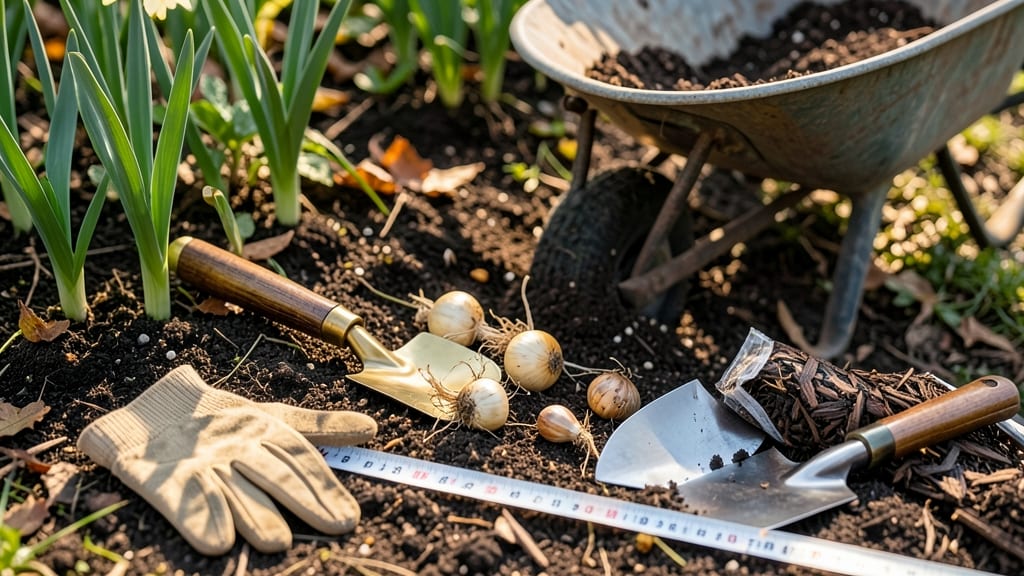
Planting daffodil bulbs at the right time in Oklahoma means the difference between vibrant spring blooms and wasted effort. With Oklahoma's 6a-7b climate, timing isn't just about the calendar—it's about soil temperature and frost dates that vary dramatically across the state.
Most gardeners in Oklahoma aim to plant 🌼 daffodils between October and November, but that window shifts slightly depending on whether you're in Tulsa's cooler pockets or the warmer southern regions.
The key is getting those bulbs in the ground 6-8 weeks before frost, when soil temps hit that sweet spot of 50-60°F.
Why does this matter? Because planting too early risks rot from warm soils, while waiting too long leaves bulbs vulnerable to winter's harsh freeze-thaw cycles. I'll walk you through exactly how to calculate your perfect planting window based on your specific Oklahoma location and local frost patterns.
Once you've mastered the timing, we'll cover soil prep and placement tips to ensure your daffodils thrive through Oklahoma's unpredictable winters. Let's make next spring your most colorful yet!
Oklahoma’s ideal daffodil planting window by soil temperature
Timing your daffodil bulb planting in Oklahoma isn’t just about the calendar—it’s about soil temperature. When the ground cools to 50–60°F (10–15°C), roots establish quickly before winter dormancy.
This window ensures vibrant spring blooms and avoids rot from warm, wet soil. My Oklahoma garden thrives when I follow this science-backed approach, especially in USDA Zones 6b–7b.
Oklahoma’s climate varies dramatically from the Panhandle’s cooler Zone 6b to Southeast’s warmer Zone 7b. In Ardmore (Zone 7a), I plant by mid-October, while Tulsa (Zone 7b) gardeners wait until late October. Oklahoma City (Zone 7a) falls right in the middle—aim for early November.
The key? Soil thermometers are your best friend for precision.
Here’s the science: Daffodil bulbs need 6–8 weeks of root growth before frost. At 50°F (10°C), roots grow 1 inch per week. Warmer soil (60°F+) speeds growth but risks rot if planting’s delayed.
Cooler soil (40°F) slows roots, leaving bulbs vulnerable to winter freeze-thaw cycles. Balance is everything!
To check your soil’s readiness, use a soil thermometer (available at garden centers for under $10). Insert it 4–6 inches deep—the depth where daffodil roots will grow. If the reading’s below 50°F (10°C), wait 1–2 weeks.
Pro tip: Morning readings are most accurate since soil cools overnight. I test mine at 9 AM before watering.
Oklahoma’s clay-heavy soils retain heat longer, so Ardmore gardeners often plant 2–3 weeks earlier than Tulsa’s sandy loam areas. Amend clay soil with compost or sand to improve drainage—daffodils hate soggy roots!
In my Oklahoma City garden, I mix in peanut hull compost to break up clay while adding nutrients. This small step prevents bulb rot during Oklahoma’s unpredictable fall rains.
Don’t rely on air temperature alone! A crisp 60°F (15°C) day can hide 40°F (4°C) soil at depth. I’ve learned this lesson the hard way—planting too early in September led to rotted bulbs after a 5-day heatwave followed by freezing nights.
Always prioritize soil temperature over calendar dates. For extra safety, cover newly planted bulbs with straw mulch to insulate them during temperature swings.
Regional frost dates add another layer of complexity. The Panhandle’s first frost often hits by November 1, while Southeast Oklahoma may see frost as late as November 15. Use the National Weather Service’s frost prediction maps to adjust your planting timeline.
I mark my calendar for 6 weeks before the average frost date in my area—this gives daffodils enough time to root before winter sets in.
One more critical tip: Plant depth matters. In Oklahoma’s Zone 7b, I bury bulbs 6 inches deep—deeper in sandy soils, shallower in clay. This depth protects them from freeze-thaw cycles while allowing roots to access moisture.
Use a bulb planter or trowel to ensure consistent depth. In my experience, uneven planting leads to uneven blooms—something no Oklahoma gardener wants!
Remember, daffodils are hardy perennials that reward patience. If you miss the ideal window, don’t panic—plant in early December for a smaller bloom next spring. Just avoid planting after the ground freezes!
With these soil temperature guidelines, your Oklahoma garden will burst with cheerful yellow and white daffodils year after year. Happy planting! 🌼
How to calculate your Oklahoma frost-free date for daffodil success
Timing your daffodil bulb planting around Oklahoma’s frost-free date is the secret to vibrant spring blooms. Since Oklahoma spans USDA Zones 6b-7a, frost dates vary dramatically—from the Panhandle’s early freezes to the Southeast’s milder winters.
Missing this window means bulbs may rot before winter or bloom too late. Here’s how to pinpoint your exact planting timeline.
Start by checking your local USDA frost-free date, available through the National Weather Service or Old Farmer’s Almanac. For Oklahoma, these dates typically range from mid-November in the Panhandle to late November in the Southeast.
Add a 6-week buffer before your frost date—this ensures bulbs establish roots before winter sets in.
For example, if your frost date is November 15, aim to plant bulbs by October 1. This 6-week window gives roots time to grow in 50–60°F soil, the ideal temperature for daffodil bulbs.
Use a soil thermometer to confirm—if temps drop below 50°F, delay planting until conditions improve.
Step-by-Step Frost-Free Planting Guide
- 1. Find Your Frost Date – Check the USDA Zone 6b/7a frost-free date for your Oklahoma region (Panhandle: Nov 15, Central: Nov 20, Southeast: Nov 25).
- 2. Add 6 Weeks – Subtract 42 days from your frost date to determine your planting deadline (e.g., Nov 15 frost date = Oct 1 planting).
- 3. Test Soil Temperature – Use a soil thermometer to confirm temps are 50–60°F at planting time.
- 4. Plant 4–6 Inches Deep – Dig holes 3x the bulb’s height and space bulbs 4–6 inches apart for airflow.
- 5. Mulch After Planting – Apply 2–3 inches of mulch to insulate bulbs and retain moisture.
🌱 Pro Tip: In Oklahoma’s clay-heavy soils, amend planting holes with compost to improve drainage.
Regional variations matter! The Panhandle (Zone 6b) often sees frost by November 15, so plant by October 1. Central Oklahoma (Zone 7a) typically has a frost-free date around November 20, giving you until October 20 to plant.
The Southeast (Zone 7b) can wait until November 25, with a planting window through October 30.
Don’t rely solely on dates—monitor local weather trends. A sudden cold snap can push frost earlier, while a warm fall may delay it. Use a garden journal to track your area’s frost patterns over time.
If you’re unsure, err on the side of planting earlier rather than later—daffodils tolerate cooler soil better than warm, soggy conditions.
Once planted, daffodils thrive in Oklahoma’s climate, blooming reliably in April–May despite the state’s unpredictable weather. By mastering your frost-free date, you’ll ensure your daffodils emerge strong and vibrant every spring—no missed blooms in sight! 🌼