
Plants
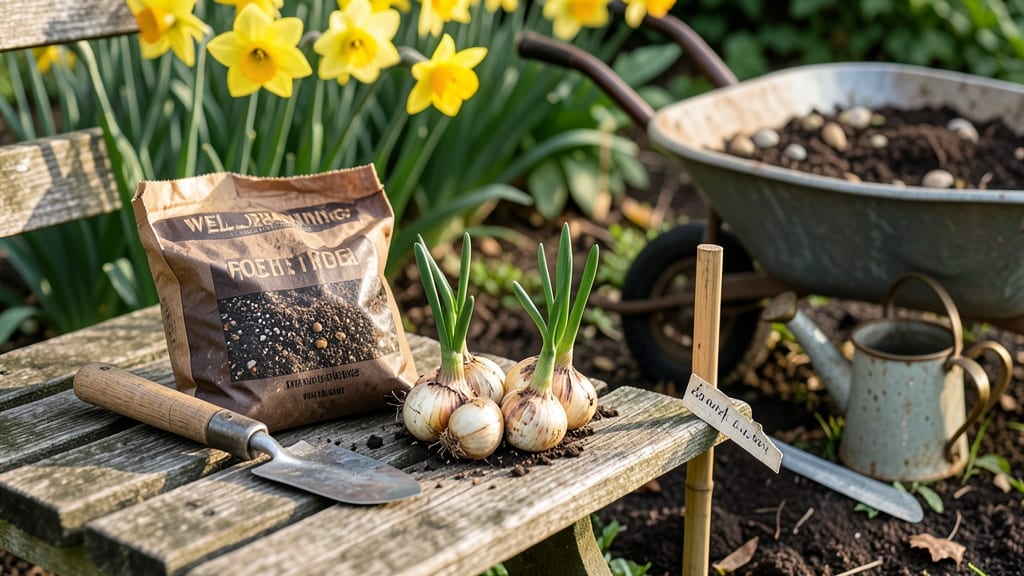
Planting daffodils in Virginia at the right time means the difference between a showstopping spring garden and bulbs that never bloom. Fall is your golden window—specifically, October through November—when the soil cools but before the ground freezes solid.
Why does timing matter so much? Daffodils (🌼) need 6-8 weeks to establish roots before winter sets in. Plant too early, and they’ll rot; too late, and they won’t survive the cold.
Virginia’s USDA zones 6a-8a give you flexibility, but local frost dates (usually mid-November) are your real deadline.
I’ve learned the hard way—skipping the ideal fall window can leave you scrambling next spring. But don’t worry: even if you miss the boat, I’ll show you how to adjust for late planting or even spring alternatives (though they’re trickier). Let’s get those bulbs in the ground the right way.
Ready to guarantee bright yellow blooms next March? Stick with me, and I’ll walk you through Virginia-specific tips, soil prep, and post-planting care to set your daffodils up for success—no guesswork required.
Best planting months for daffodils in Virginia’s climate zones 5-8
Virginia’s diverse climate zones (5-8) create unique challenges for planting daffodils. While fall planting is ideal, the exact timing varies by region—from the milder Coastal Plain to the colder Mountain zones.
The key is planting 4-6 weeks before the first hard frost, allowing bulbs to establish roots before winter dormancy. In Virginia, this typically means October through early November, but microclimates can shift that window by weeks.
For USDA Zone 5 (northern Virginia mountains), aim for mid-September to early October—soil temps drop faster here. In Zones 6-7 (Piedmont and Coastal Plain), late October to mid-November works best.
Zone 8 (southern Virginia) gardeners can plant until early December in mild winters. The soil temperature threshold is 50°F or below—plant when daytime temps consistently dip below this mark.
Here’s your Virginia-specific planting timeline broken down by zone and region:
| USDA Zone | Region | Best Planting Window | Soil Temp Threshold | Notes |
|---|---|---|---|---|
| 5 | Mountains (e.g., Shenandoah Valley) | Mid-September to early October | 50°F or below | Early frost risk; plant sooner |
| 6a-6b | Piedmont (e.g., Richmond) | Late October to mid-November | 50°F or below | Moderate frost dates; flexible window |
| 7a-7b | Coastal Plain (e.g., Norfolk) | Late October to early December | 55°F or below | Milder winters; later planting possible |
| 8a-8b | Tidewater (e.g., Virginia Beach) | November to early December | 55°F or below | Coastal warmth extends window |
Spring planting is possible but risky—only attempt it if you missed fall’s window. Plant daffodil bulbs in late winter (February) as soon as the soil is workable, but expect smaller blooms the first year.
The root system needs time to establish before summer heat arrives, so spring-planted bulbs often struggle to thrive. If you’re in a mild microclimate (like a south-facing slope), you might push fall planting into early December, but avoid planting after the first frost.
Adjust your timing based on local frost dates. Check the National Weather Service or your local Cooperative Extension for updates. In Zone 5, the first frost can hit by mid-November, while Zone 8 may see frost in January.
Planting too late means bulbs won’t root deeply enough before winter, leading to poor blooms or rot. Aim to finish by 6 weeks before your area’s average first frost date.
For urban gardeners, microclimates matter. A concrete-heavy yard in Richmond (Zone 7b) may stay warmer than rural areas, allowing later planting. Conversely, wooded areas in the mountains cool faster. Test your soil’s readiness by pushing a thermometer 6 inches deep—plant when temps hit 50°F or below.
If your soil is still warm, wait a week or two. Overheated soil can cause bulbs to sprout prematurely and die in frost.
Pro tip: Plant daffodils after your summer-blooming bulbs (like dahlias) have been lifted. This gives you a clear bed and avoids competition for nutrients. Work well-rotted compost into the soil to a depth of 6-8 inches, ensuring drainage—daffodils hate soggy soil.
In heavy clay zones (common in Piedmont), mix in sand or perlite to improve
5 Critical factors that determine your planting timeline
Planting daffodils in Virginia isn’t just about picking a month—it’s about understanding your local climate patterns, soil conditions, and bulb readiness. These five factors will help you decide whether October, November, or even early December is the right time for your garden.
Getting it right means stronger roots, bigger blooms, and fewer surprises when spring arrives.
First, soil temperature is your best friend. Daffodils need the ground to cool to 60°F or below before planting. In Virginia’s Piedmont region, this typically happens by early October, while coastal areas may wait until November.
Use a soil thermometer to check—it’s the only way to be sure your bulbs won’t rot before they root.
Next, frost dates dictate your planting window. Aim to plant daffodils 4-6 weeks before the first hard frost. In Virginia’s USDA Zone 7a (like Charlottesville), that’s usually mid-October, but in colder Zone 6a (like Roanoke), you might need to plant by late September.
Check your local National Weather Service frost predictions to adjust.
Don’t overlook bulb maturity. Freshly harvested bulbs (like those from Dutch growers) are best planted in fall, but older bulbs can handle slightly later planting.
If your bulbs are soft or sprouting, plant them immediately—they’ll struggle to establish roots if delayed. Store them in a cool, dark place until you’re ready.
Your local weather patterns can shift your timeline dramatically. A mild winter might let you plant into early December, while an early frost could push you to September. Pay attention to rainfall forecasts too—wet soils can delay planting, while dry spells might require extra watering after you plant.
Finally, microclimates within Virginia create huge variations. Urban areas like Richmond may stay warmer longer, while mountain regions like the Shenandoah Valley can freeze earlier. Observe your yard’s sun exposure and wind patterns—shady or windy spots may need earlier planting to protect young bulbs.
Soil Temperature
Plant when soil drops to 60°F or below. Use a thermometer to avoid rot.
Frost Dates
Plant 4-6 weeks before first frost. Check local forecasts for Zone 6a-8a.
Bulb Maturity
Fresh bulbs plant best in fall; older bulbs tolerate slight delays. Avoid soft or sprouting bulbs.
Weather Patterns
Mild winters? Plant into December. Early frost? Plant by September. Monitor rainfall too.
Microclimates
Urban areas stay warmer; mountains freeze earlier. Adjust for sun/wind exposure in your yard.
If you’re unsure about your local conditions, start planting in late October as a safe middle ground. Most Virginia gardeners find this works well across the state’s diverse zones. Just remember: cooler soils and earlier planting always give daffodils the best chance to thrive before winter sets in.
Pro tip: Mark your planting spots with biodegradable flags so you don’t accidentally dig them up in spring. Happy planting—your future spring blooms will thank you! 🌼