
Plants
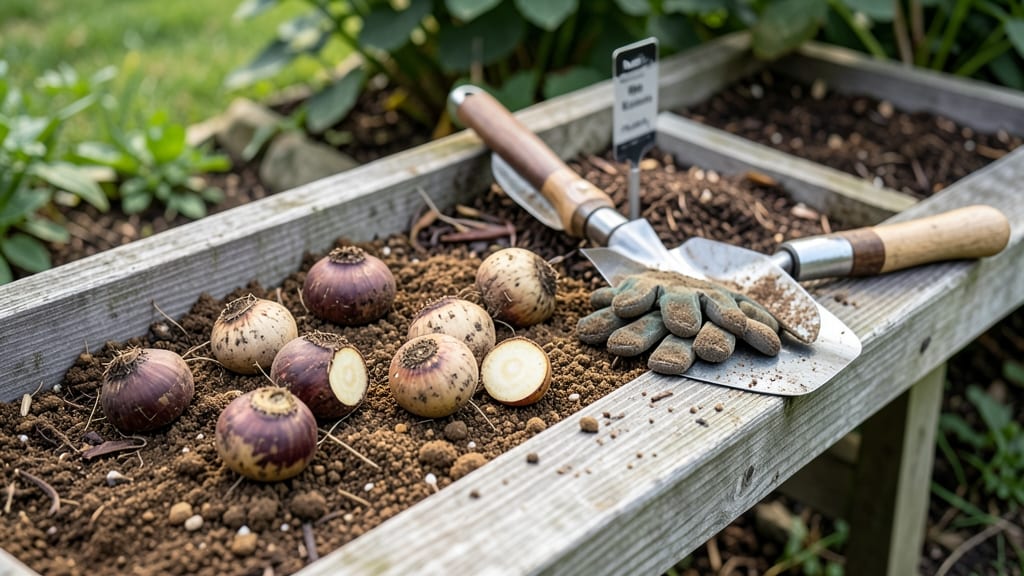
Planting dahlias in California at the wrong time could mean the difference between stunning 🌼 blooms and sad, wilted tubers. Since the state’s microclimates range from frost-free coastal zones to desert heat, timing is everything—get it right, and you’ll enjoy vibrant flowers from June to October.
If you’re in coastal areas like San Francisco or Santa Barbara, you can start as early as February, but inland valleys and desert regions need to wait until March or April when soil temperatures hit 60°F.
The key? Avoid planting too soon—even mild zones can have unexpected chilly spells that stall growth.
I’ve learned the hard way that rushing dahlias into the ground too early leads to blackened tubers or stunted plants. Instead, focus on soil prep first: enrich it with compost, ensure good drainage, and wait for those frost-free signs before committing. Trust me, your 🌼 dahlias will thank you.
Ready to dive deeper? I’ll break down the exact planting windows for your region, plus pro tips to adjust for California’s quirky weather—so you can enjoy blooms all season long without the guesswork.
California dahlias planting calendar by microclimate: coastal vs. desert timing
California’s diverse microclimates create unique challenges for dahlia growers. Coastal areas like San Francisco and Santa Barbara enjoy mild winters, while desert regions like Palm Springs face extreme heat.
Getting your planting timing right ensures vibrant blooms and avoids frost damage or heat stress. Let’s break down the exact month-by-month schedule for your specific zone.
Dahlias thrive when planted after the last frost date and when soil temperatures reach at least 60°F. In coastal California, this often means starting as early as February, while desert regions may wait until April or May.
The key is balancing warm soil with avoiding summer heat—especially for tender tubers that can rot if planted too late.
| Region | Last Frost Date | Ideal Planting Window | Soil Temp (°F) | Backup Window |
|---|---|---|---|---|
| Coastal (San Francisco, Santa Barbara) | None (USDA 9-10) | February–March | 60–65°F | April (if delayed) |
| Bay Area (Oakland, San Jose) | January (rare) | February–March | 60–65°F | Late March |
| Central Valley (Sacramento, Fresno) | December–January | March–April | 65–70°F | May (early varieties) |
| Desert (Palm Springs, Joshua Tree) | None (USDA 9b-11) | April–May | 70–75°F | June (late tubers) |
| High Desert (Mammoth Lakes) | January–February | May–June | 60–65°F | July (short season) |
For coastal regions, I recommend starting tubers indoors in January to give them a head start. Use grow lights if natural light is limited, and transplant outdoors once soil warms.
In desert areas, focus on shade cloth during the hottest afternoons to protect young plants from heat stress. Always choose drought-tolerant varieties like 'Bishop' or 'Café au Lait' for these zones.
If you’re in the Central Valley, aim to plant by mid-March to avoid late frosts. Use black plastic mulch to warm soil faster and reduce weed competition.
In high desert areas, your growing season is short—prioritize early-blooming varieties like 'Thomas Edison' or 'Karma Choc' to maximize your flowering window.
One common mistake is planting tubers too early in cooler zones. If soil is below 60°F, tubers can rot. Test soil temperature with a soil thermometer or wait until dandelions bloom—a natural indicator that soil is warm enough.
For container growing, use heat mats in early spring to extend your planting window.
After planting, mulch heavily with straw or wood chips to retain moisture and regulate soil temperature. In desert climates, mulch also helps prevent soil crusting from frequent watering.
Water deeply once a week in coastal areas and every 3–5 days in desert zones, always in the early morning to reduce fungal diseases.
Pro tip: Pinch back young dahlias when they reach 12 inches tall to encourage bushier growth. This is especially important for tall varieties like 'Arabian Night', which can become top-heavy without support. Use cage stakes or bamboo supports to keep stems upright as they grow.
By following this microclimate-specific calendar, you’ll avoid the most common dahlia-growing mistakes in California. Whether you’re in foggy coastal gardens or sunbaked desert landscapes
How to adjust dahlias planting for California’s unpredictable weather patterns
California’s unpredictable weather can turn your dahlia dreams into a gamble—especially when Santa Ana winds or late coastal fog delays your planting. Unlike other states, California’s microclimates mean a 3-week difference in ideal planting times between coastal and desert regions.
The key? Soil temperature and frost risk must align before you plant those tubers.
I’ve learned the hard way that planting too early in inland valleys risks blackened tubers from unexpected frosts, while delaying in coastal areas can leave you scrambling as summer heat arrives.
The solution? Adjust your timeline based on local frost data and soil warming tricks to give dahlias a head start without exposing them to temperature swings.
⚠️ CRITICAL WARNING: California’s Frost & Wind Zones
Never plant dahlias until soil reaches 60°F—cooler temps cause rotten tubers. In high-risk zones (Central Valley, foothills), wait for 3 consecutive frost-free days after your last average frost date (which can vary by 2+ weeks yearly). Coastal gardeners? Fog delays often push planting to April—don’t rush!
Santa Ana winds (Oct–May) dry soil 3x faster. Mulch heavily with straw or wood chips to retain moisture, or use drip irrigation to avoid windburn on young shoots.
For soil warming, I swear by black plastic mulch laid 2–3 weeks before planting. It raises soil temps by 10–15°F, letting you plant 2 weeks earlier in slow-warming zones like the Central Valley.
Pair it with a frost cloth (like Agribon) for nighttime protection if late frosts are forecasted—just remove it by 10 AM to avoid heat stress.
If your local forecast shows unpredictable patterns, have a backup planting window. Inland areas can shift from freezing nights to 90°F days in 48 hours.
I keep a second batch of tubers in pots with heat mats for a 2-week late planting if spring stalls. Container dahlias also buy you flexibility—move them to sheltered spots during wind events.
Don’t overlook coastal fog’s sneaky chill. Areas like Santa Cruz or San Francisco can have soil temps below 55°F even in May. Test your soil with a thermometer—if it’s below 60°F, wait.
For fog-prone gardens, I’ve had success with low-growing varieties like ‘Café au Lait’, which tolerate partial shade better than towering ‘Galaxy’ types.
Pro tip: Monitor your local Cooperative Extension Service alerts for frost watches. In high-desert areas (like Mammoth Lakes), June frosts aren’t unheard of—plant late varieties like ‘Thomas Edison’ for extended blooms. And always harden off potted dahlias gradually if moving them from protected indoor starts to outdoor beds.