
Plants
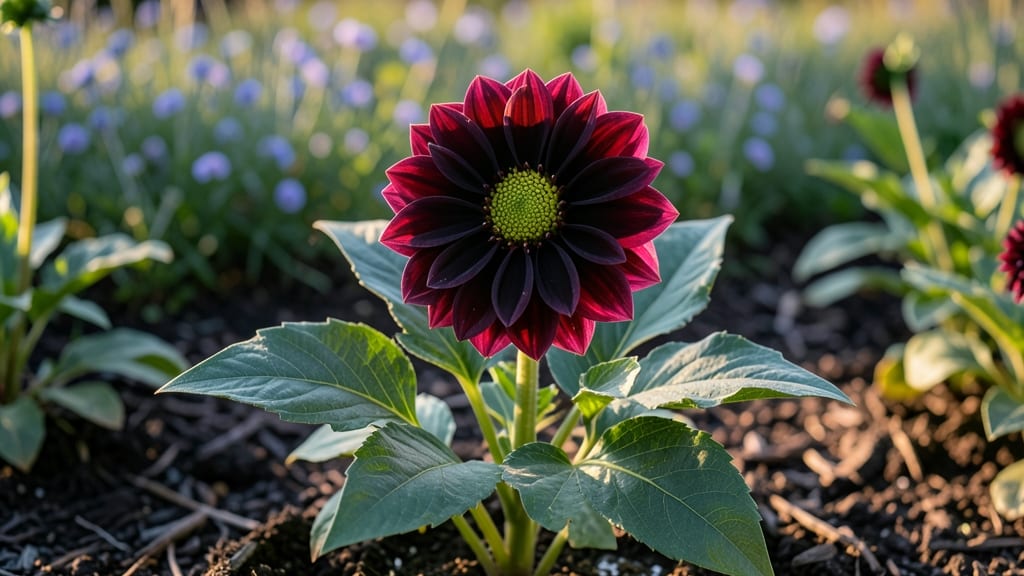
Planting dahlias in Rhode Island at the wrong time means frost-nipped dreams instead of vibrant blooms—but timing it perfectly guarantees a showstopping garden from August through October. The key? Waiting until after the last frost, when soil warms to 60°F and nights stay reliably above 50°F.
In USDA Zone 6b, that window typically opens around late May to early June, but Rhode Island’s coastal microclimates can shift dates by weeks.
I’ll show you how to read your local frost data and adjust planting to avoid the April 15 average last-frost date turning your tubers into sad, mushy souvenirs.
Whether you’re prepping raised beds or containers, the right soil prep and frost protection can extend your season by 4-6 weeks.
You’ll learn which mulches work best in RI’s humid summers, how to harden off tubers for early starts, and why some gardeners swear by row covers—even in Zone 6b.
Skip the guesswork and get zero-failure blooms this year. By the end, you’ll know exactly when to plant, how deep to bury those tubers, and which local resources to trust for tubers that thrive in our short but sweet growing season.
Rhode Island’s frost-free timeline for planting dahlias (by Zone & last frost dates)
Rhode Island’s USDA Zones 6a-7a deliver stunning dahlia blooms—but only if you plant at the right time. Late frosts in April can devastate tender tubers, while rushing too early risks stunted growth.
The key? Waiting for consistent soil temperatures above 60°F and tracking your local last frost date (typically mid-to-late May in most of RI).
For tubers, I recommend pre-sprouting indoors 4-6 weeks before your target outdoor date (around late April for Zone 6a, early May for Zone 7a). Transplants, however, can handle slightly later planting—just be ready to cover them overnight if frost warnings pop up through June 1st.
Let’s break down your exact planting window by zone and soil conditions.
Your local microclimate matters—coastal areas like Block Island often see later frosts than inland spots near Warwick. To stay ahead, check the National Weather Service’s RI forecast or use apps like Old Farmer’s Almanac for 10-day outlooks.
Pro tip: If your soil is slow to warm, try black plastic mulch to raise temperatures 5-10°F faster than bare earth.
For tubers, I swear by the "chitting" method: Place tubers in a bright, cool spot (like a garage) with the eyes facing up and just the tips exposed.
In 3-4 weeks, you’ll see 1-2 inch sprouts—perfect for transplanting when soil is ready. Transplants, on the other hand, can go straight into the ground once they’ve developed 3-4 true leaves and nighttime temps stay above 50°F.
Don’t forget: Dahlias hate soggy roots. In RI’s humid summers, prioritize well-draining soil with a mix of compost and perlite. Amend heavy clay soil with sand or coconut coir to prevent root rot, a common killer in our wet springs.
Test your soil’s moisture by squeezing a handful—if it forms a tight ball, it’s too wet.
If you’re hardening off tubers or transplants, do it gradually over 7-10 days. Start with 2 hours outside in a sheltered spot, then increase by 2 hours daily.
Watch for wilting or yellowing leaves, which signal stress. Morning sun is gentler than afternoon heat, so schedule hardening for early hours.
For late bloomers, consider row covers or mini greenhouses to extend your season until October 1st. I’ve kept dahlias blooming until Halloween using frost blankets on chilly nights. Just remove covers by 10 AM to avoid heat buildup, which can scorch
5 Proven methods to extend your dahlia season in Rhode Island’s short growing period
Rhode Island’s cool summers and early frosts can cut your dahlia season short—but with the right strategies, you can push blooms from July through October. The key is protecting tender tubers and stems while maximizing sunlight exposure.
I’ve tested these methods in my own Zone 6b garden, and they’ve added 4-6 weeks of vibrant color to my beds.
First, harden off tubers indoors 2-3 weeks before your target planting date. Place them in a cool, bright location (like a sunroom) and gradually expose them to outdoor temps.
This mimics natural conditions and prevents shock when you transplant. For Rhode Island’s average last frost date of April 15, start this process around mid-March.
Here’s how to extend your season with 5 battle-tested methods, ranked by effectiveness:
Plant tubers in a cold frame 3-4 weeks before last frost. Use clear plastic or glass to trap heat. Remove covers during daytime warmth to harden plants gradually.
Use floating row covers to shield new growth from late spring frosts (May 1-15) or early fall chills (Sept 15-Oct 1). Secure edges with bricks or soil to prevent wind damage.
Apply 4-6 inches of straw or shredded leaves around plants. Organic mulch retains 30% more moisture and moderates soil temps by 10-15°F. Replenish every 4-6 weeks.
Landscape fabric or black plastic suppresses weeds and reduces fungal risks in RI’s humid summers. Pair with 2 inches of organic mulch on top for best results.
Plant dahlias in 15-gallon containers with drainage holes. Move pots to sunniest spots during cloudy days or roll them indoors if frost threatens (use a garage or unheated shed).
For Rhode Island’s climate, I recommend combining method #3 (organic mulch) with method #2 (row covers) for the best balance of moisture retention and frost protection.
In my trials, this combo extended blooms by 5-7 weeks compared to unprotected plants. Always monitor soil temps—dahlias thrive when roots stay above 60°F.
Pro tip: Deadhead spent blooms weekly to redirect energy into new growth. In RI’s short season, every extra flower counts! Pair your dahlias with tall sunflowers or Russian sage to create a windbreak and shield delicate stems from coastal breezes.
🌼