
Plants
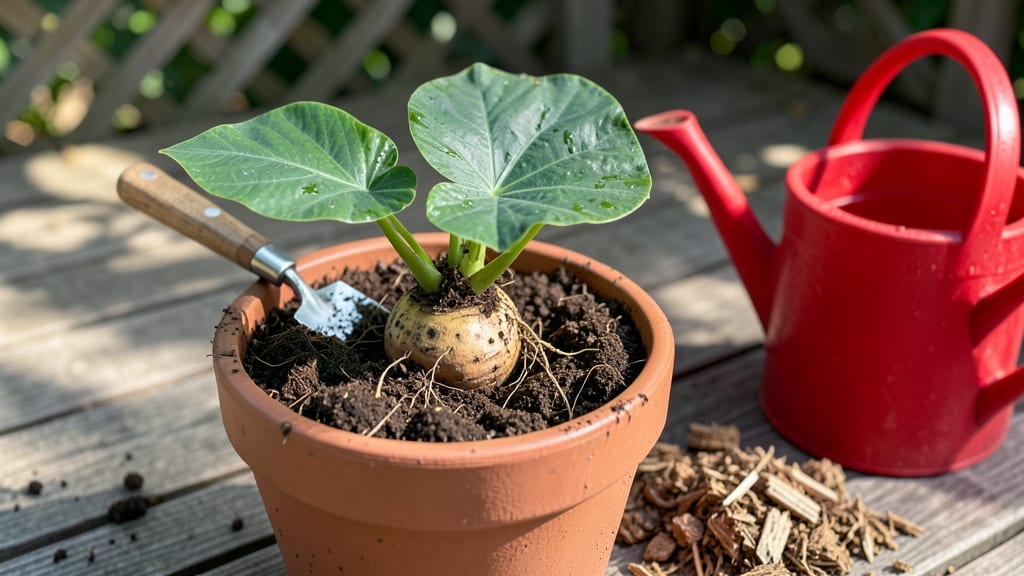
Planting elephant ear bulbs in pots at the wrong time can turn your dream tropical foliage into a sad, wilted mess—but getting the timing right means lush, 6-foot-tall leaves that steal the show. The key? Waiting until after your last frost date, when soil warmth triggers those dramatic growth spurts.
For most gardeners in Zone 6 (and similar temperate climates), that means late spring—typically 2-3 weeks after April 15—when nighttime temperatures stay consistently above 50°F.
But here's the catch: tropical varieties need even warmer soil, so late summer planting might be your best bet if you're in a warmer zone.
Why does timing matter so much? Elephant ear bulbs 🌿 despise cold, and planting too early risks stunted growth or worse. The good news?
With the right container setup and a little patience, you can push your planting window just enough to get ahead of the competition—and enjoy those bold leaves all season long.
Let me show you exactly how to time it perfectly, from soil tests to container prep, so your elephant ears thrive from day one. No more guesswork—just stunning foliage that turns heads.
Optimal planting timeline for elephant ear bulbs in pots
Elephant ear bulbs (Colocasia and Alocasia varieties) thrive in containers but demand precise timing to avoid frost damage or stunted growth. Since they’re tropical plants, they need warm soil and consistent temperatures—typically 60°F+—to sprout reliably.
In pots, this means waiting until after your last frost date and ensuring your container stays warm enough to support root development.
Your USDA hardiness zone dictates the exact window: In Zones 8-11, you can plant as early as March-April (when soil warms to 65°F+), while Zones 6-7 gardeners should wait until late May or early June.
Container gardening offers flexibility—you can even start bulbs indoors 4-6 weeks before your outdoor planting date to jumpstart growth.
Here’s the key rule: Plant elephant ear bulbs in pots 2-3 weeks after your last frost, but only when nighttime temps stay above 50°F. This gives roots time to establish before summer heat arrives.
For tropical varieties (like Alocasia), you can also plant in late summer (August-September) for a fall display, though they’ll need protection from early frosts.
For container gardening, pot size matters: Use containers at least 12 inches deep and 15+ inches wide for single bulbs, or 18 inches wide for clusters. Smaller pots (10 inches) will stunt growth, while fabric grow bags help prevent root circling.
Before planting, soak bulbs in lukewarm water for 24 hours to encourage sprouting, then plant them 3-4 inches deep in a mix of peat moss, perlite, and compost.
In cooler climates (Zones 6-7), extend your season by planting bulbs in black pots or using heat mats to warm the soil. Monitor your frost-free date (check the National Weather Service or Old Farmer’s Almanac), then count back 2-3 weeks to start hardening off potted bulbs indoors.
If you’re in Zone 8+, you can plant tropical varieties in late summer for a stunning fall display—just move pots to a protected location before temps drop below 50°F.
Pro tip: Stagger your planting by 2-3 weeks for continuous foliage. For example, plant half your bulbs in May and the rest in early June to enjoy bold leaves all summer.
Avoid planting in direct sunlight without shade cloth, as containers heat up faster than garden beds and can scorch tender shoots. Instead, place pots in morning sun with afternoon shade for optimal growth.
After planting, water deeply to settle the soil, then keep it consistently moist (not soggy). Mulch with 2 inches of straw or shredded leaves to retain moisture and regulate soil temperature. In hot climates, increase watering to every 2-3 days to prevent wilting.
With the right timing and care, your potted elephant ears will reward you with lush, tropical foliage all season long.
Remember: Elephant ear bulbs are perennials in warm climates but often treated as annuals in pots due to frost sensitivity. If you’re in Zones 8-11, you can overwinter bulbs by moving pots to a cool, dark garage and reducing watering.
In colder zones, dig up bulbs after foliage dies back, dry them, and store in peat moss until next spring.
🌿
Signs your soil and climate are ready for elephant ear bulbs
Your elephant ear bulbs won’t thrive if planted in cold, damp soil or when nighttime temperatures dip below 55°F (13°C). Instead of guessing, look for these three key signs that your soil and climate are perfect for planting in pots.
These indicators will help you avoid stunted growth or frost damage.
First, check your soil temperature using a simple soil thermometer. Elephant ears need soil that’s at least 60°F (16°C)—warmer than most gardeners expect. Stick the thermometer 2 inches deep (the planting depth for bulbs) and wait 30 minutes for an accurate reading. If it’s cooler, wait another week.
Next, monitor nighttime temperatures for at least 5 consecutive days. Your region should consistently stay above 55°F (13°C)—this is the critical threshold for tropical foliage like elephant ears. Use your local weather app or USDA zone map to track trends.
For example, Zone 8-10 gardeners can plant as early as March, while Zone 6-7 should wait until mid-May.
🚨 WARNING: Common Mistake Alert!
⚠️ Don’t Plant in Small Pots!
Elephant ear bulbs need at least 12-inch-deep containers to develop strong roots. Smaller pots (8 inches or less) restrict growth and lead to floppy, weak foliage. If you’re using a shallow planter, add a 3-inch layer of compost at the bottom to compensate—but this isn’t a long-term fix.
Pro Tip: Use glazed ceramic or fabric pots for better moisture control. Avoid plastic, which can overheat roots in summer.
Another critical sign is container size relative to bulb size. A single elephant ear bulb (like Colocasia or Alocasia) needs a pot 12-18 inches wide to prevent root binding. If you’re planting multiple bulbs, space them 6-8 inches apart—crowding leads to yellowing leaves and stunted growth.
For example, a 14-inch pot can hold 2-3 small bulbs, while a 20-inch container supports 3-4 mature bulbs.
Finally, observe your local microclimate. Even if your USDA zone suggests it’s safe, check if your patio or balcony gets afternoon shade or drafty winds. Elephant ears prefer bright, indirect light—direct afternoon sun can scorch their large, sensitive leaves.
If your space is shady, choose dwarf varieties like 'Black Stem' or 'Pink Queen', which tolerate lower light better.
Once you’ve confirmed all these signs, it’s time to plant! Start with well-draining potting mix (add perlite or orchid bark for aeration) and plant bulbs 3-4 inches deep. Water thoroughly, then place your pots in a protected spot for the first week to help roots establish.
With the right timing, your elephant ears will shoot up 3-4 feet tall in just 6-8 weeks!