
Plants
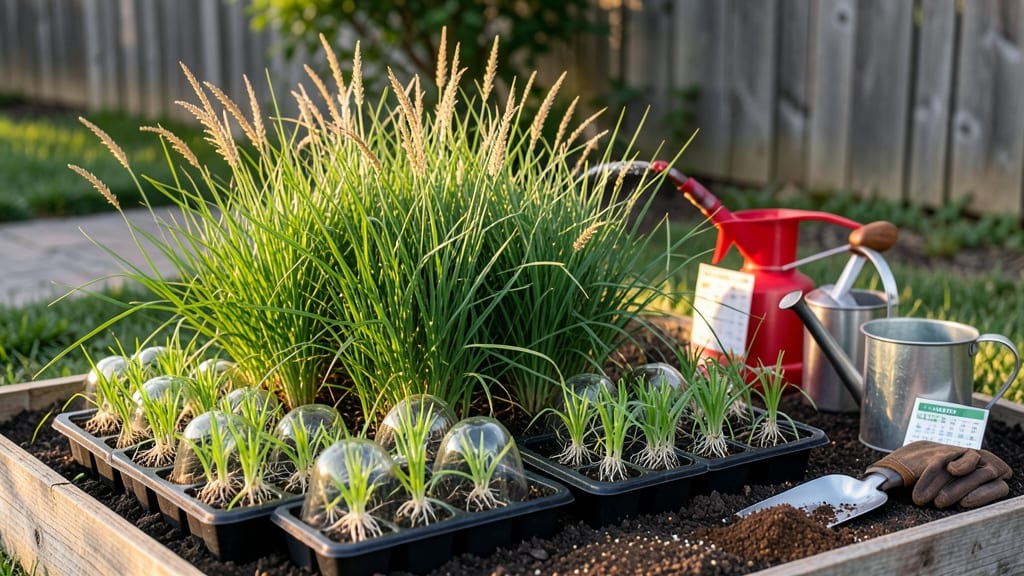
Planting fescue in Kansas at the wrong time can leave your lawn struggling to take root before winter’s first frost—so timing isn’t just important, it’s the key to a thriving yard. 🌱 The ideal months for planting this cool-season grass are late summer and early fall, when soil stays warm enough to encourage strong root growth while cooler air slows weed competition.
Why does this matter? In Kansas’ USDA zones 5b-7a, where temperatures swing wildly, planting too early means battling summer heat stress, while waiting too late risks weak establishment before winter dormancy.
I’ve seen firsthand how a well-timed fall planting can mean the difference between a patchy lawn and one that greens up lushly by spring.
But here’s the thing: even the perfect timing won’t guarantee success without the right prep. Kansas’ variable climate—from wet eastern regions to drier western areas—means soil conditions can vary dramatically.
I’ll walk you through exactly how to assess your yard’s readiness, from testing soil pH to scheduling watering for maximum root penetration.
Ready to set your fescue up for success? Let’s break down the best planting windows, soil secrets, and post-planting care tips that’ll have your lawn looking its best year after year—no guesswork required.
Best planting months for fescue in Kansas: fall vs. spring timing explained
Kansas gardeners know timing is everything when planting cool-season fescue. The ideal windows—late August through early October for fall and March to early April for spring—align perfectly with Kansas’ soil temperatures and moisture patterns.
Planting outside these times risks poor root establishment or summer stress, especially in USDA zones 5b-7a. Let’s break down why these months work best and how to adapt for your specific Kansas region.
Fall planting (late August to early October) gives fescue 6-8 weeks of warm soil and cool air before winter dormancy. This root development window is critical—roots grow best when soil temps stay between 60–75°F.
In Kansas, this means avoiding late October planting, as cooler temps slow germination. Spring planting (March to early April) targets soil temperatures above 50°F, ensuring seeds sprout before summer heat sets in.
| Planting Window | Best Months | Soil Temp Ideal | Kansas Climate Notes |
|---|---|---|---|
| Fall Planting | Late August–Early October | 60–75°F | Cooler temps reduce drought stress; roots establish before winter. |
| Spring Planting | March–Early April | 50–65°F | Avoids summer heat; aligns with last frost (mid-April). |
| Avoid Planting | May–September | Above 80°F | Summer heat causes seed dormancy; poor germination rates. |
For eastern Kansas (wetter regions like Kansas City), fall planting is ideal due to consistent rainfall in September and October. In contrast, western Kansas (drier areas like Garden City) benefits from spring planting to capitalize on early spring moisture.
Always check your local frost dates—planting too late in fall or too early in spring risks frost damage to tender seedlings.
If you’re in USDA zone 5b (northern Kansas), aim for late August to mid-September in fall, as frost can arrive earlier. Zone 7a gardeners (southern Kansas) have until early October for fall planting.
Spring plantings in zone 5b should wait until mid-April, while zone 7a can start as early as late February if soil temps are stable.
Drought is a major concern in Kansas, especially during summer months. Planting fescue in fall or spring avoids this issue by leveraging natural rainfall patterns. After planting, maintain 1 inch of water weekly until roots establish (about 3–4 weeks).
Use a rain gauge to monitor moisture—Kansas’ erratic weather means relying on guesswork can lead to underwatering or overwatering.
Pro tip: Seed-to-soil contact is critical for germination. Lightly rake the seedbed after sowing to ensure seeds make contact with moist, loose soil. In Kansas’ windy conditions, consider using a straw mulch to hold seeds in place until germination.
This is especially important for fine fescue varieties, which can blow away in strong winds.
Post-planting care differs slightly between fall and spring. Fall-planted fescue needs less frequent watering as winter approaches, while spring plantings require consistent moisture to combat early summer heat.
Both benefit from a light nitrogen fertilizer 6–8 weeks after planting to encourage root and shoot growth. Avoid heavy fertilizers, which can burn tender new grass.
Timing isn’t just about months—it’s about microclimates. A south-facing slope in Wichita may warm up faster in spring than a north-facing yard in Topeka. Observe your yard’s sun exposure patterns and adjust planting dates accordingly. For example, north-facing areas stay cooler longer, allowing slightly later spring plantings.
Remember, fescue thrives on patience. Rushing planting in late spring or late fall often leads to thin, weak grass that struggles to compete with weeds.
By sticking to these optimal windows, you’ll give your fescue the best chance to establish a dense, drought-resistant lawn that Kansas’ unpredictable climate demands.
How Kansas soil and weather affect fescue root establishment
Kansas’ variable climate and soil diversity play a huge role in whether your fescue grass takes root successfully. The state’s eastern regions often receive more moisture, while western areas face drier conditions—both of which impact how quickly fescue establishes.
I’ve seen fescue thrive in well-prepared eastern Kansas lawns but struggle in dry western patches where moisture retention is poor. Understanding these regional differences is key to choosing the right planting window and soil prep.
The ideal soil temperature for fescue root growth is between 60–75°F. In Kansas, this typically aligns with late summer to early fall, when daytime highs remain warm enough to encourage germination while nighttime temps drop, reducing stress on young seedlings.
Spring plantings can work too, but the window is narrower—soil warms quickly, and summer heat can stress newly planted grass before roots establish.
Moisture retention is another critical factor. Fescue needs consistent soil moisture during the first 4–6 weeks of growth, but Kansas’ clay-heavy soils in the east can hold too much water, while sandy soils in the west drain too quickly.
Amending your soil with compost or organic matter helps strike the right balance, ensuring roots get the hydration they need without sitting in soggy conditions. I always recommend a soil test before planting to check drainage and pH.
🌱 Key Takeaway: Kansas Soil & Weather for Fescue Success
- Soil Temp: Plant when soil is 60–75°F (late Aug–early Oct or March–early April).
- Moisture: Eastern KS holds water well; western KS needs amended soil for retention.
- Microclimates: Eastern regions thrive with fall plantings**; western areas benefit from spring.
- Critical Window: Seedlings need 4–6 weeks of moisture before winter dormancy.
Pro Tip: Test soil pH (ideal 6.0–7.0) and amend with compost for best results.
Kansas’ microclimates also influence planting success. In eastern Kansas, where humidity is higher, fall plantings often outperform spring ones because cooler temps reduce weed competition and allow fescue to establish before winter.
Meanwhile, in western Kansas
Don’t overlook the role of wind and evaporation in Kansas’ flat terrain. Strong winds can dry out newly planted seeds, so I recommend using a light straw mulch to retain moisture and protect seedlings. In windy areas, consider planting in early fall when winds are typically calmer, giving seeds a better chance to germinate without drying out. A simple windbreak, like a temporary fence, can also help in exposed yards. Finally, post-planting care is just as important as timing. Once your fescue is in the ground, maintain 1–1.5 inches of water per week, either from rainfall or irrigation, to keep the soil consistently moist. Avoid heavy foot traffic or mowing until the grass reaches 3–4 inches tall, as this helps roots strengthen. In Kansas’ unpredictable climate, this attention to detail can mean the difference between a patchy lawn and one that greens up beautifully year after year.