
Flowers
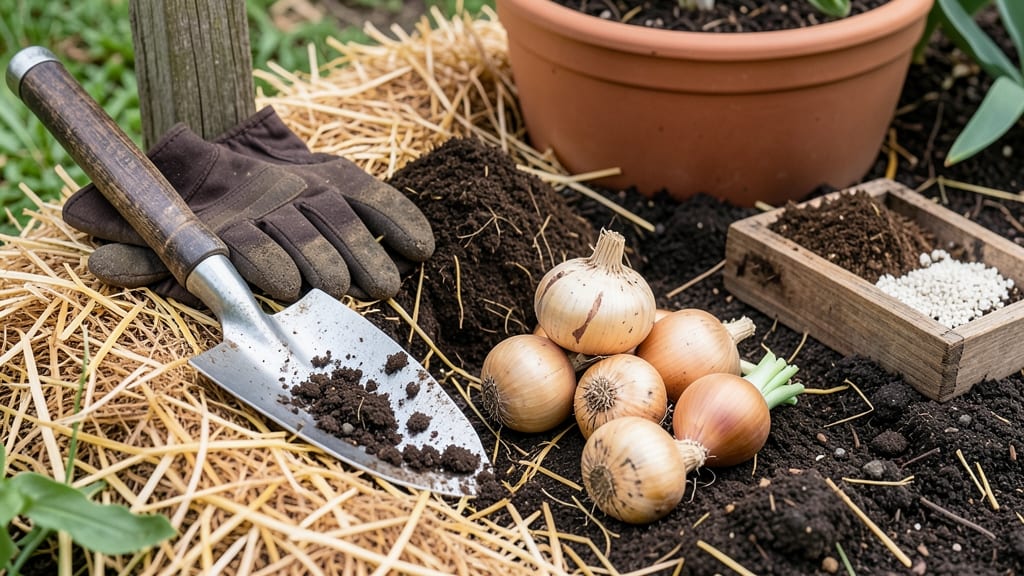
Planting flower bulbs 🌷 at the wrong time in autumn could mean waiting another year for those vibrant spring blooms you crave.
The key isn't just picking the right month—it's understanding when your soil is ready to welcome them, typically 6-8 weeks before your first frost, which for Zone 6a gardeners like me means aiming for late October to early November.
Most gardeners focus on the calendar, but soil temperature is the real game-changer. When those roots start growing in cooler weather, they need the right conditions to establish themselves before winter sets in.
Too early, and your bulbs might rot; too late, and they won't have time to develop strong roots before the ground freezes.
I've learned the hard way that even a 5-degree difference in soil temperature can impact success. In colder climates, you might need to plant in September, while warmer regions can wait until December.
The goal is to give those bulbs time to root but avoid planting when the ground is still too warm.
Don't worry if you're new to this—this guide will walk you through exactly when to plant in your area, how to prep your soil, and what to do after you've tucked those bulbs into the ground. Let's get those spring flowers off to the perfect start.
The perfect autumn soil temperature range for planting flower bulbs
Understanding the ideal soil temperature range for planting flower bulbs in autumn is the key to unlocking vibrant spring blooms. Most gardeners assume it's just about timing, but the science of soil temperature determines whether your tulips, daffodils, and crocuses will thrive or fail.
The magic window is 50-60°F—this range triggers root growth without encouraging premature shooting, which can weaken bulbs before winter.
When soil temperatures drop below 50°F, bulbs enter a dormant state, but roots can still establish if planted correctly. Above 60°F, however, bulbs may start growing too soon, leading to weak stems and poor blooms.
This is why northern climates often plant earlier than southern ones—the ground cools faster in the north, while southern regions can wait longer.
For example, in Zone 6a (like my garden), I aim to plant bulbs when daytime highs are around 65°F and nighttime lows dip into the 50s. This usually falls in late October, but I always check the soil temperature with a soil thermometer to be sure.
If you're in a warmer zone like Zone 8 or 9, you might not need to plant until December, as the ground stays warmer longer.
Here’s the critical rule I follow: plant bulbs when the soil temperature is consistently between 50-60°F for at least a week. This gives roots time to anchor before the ground freezes. Too early, and you risk rot; too late, and the bulbs won’t establish properly.
The goal is to mimic the natural conditions bulbs experience in their native habitats, where cooler autumn temperatures signal it’s time to root before winter.
| Bulb Type | Ideal Soil Temp Range | Best Planting Window | Regional Adjustments |
|---|---|---|---|
| Tulips | 50-55°F | 6-8 weeks before frost | Zone 3-5: September-October; Zone 6-8: October-November |
| Daffodils | 50-60°F | 6-8 weeks before frost | Zone 3-7: October-November; Zone 8-10: November-December |
| Crocuses | 45-55°F | 4-6 weeks before frost | Zone 3-6: September-October; Zone 7-10: October-November |
| Hyacinths | 50-58°F | 6-8 weeks before frost | Zone 4-8: October-November; Zone 9-10: November |
| Alliums | 50-60°F | 6-8 weeks before frost | Zone 3-9: October-November; Zone 10: December |
If you're unsure about your soil temperature, a simple soil thermometer (available for under $10) is a game-changer. Stick it into the ground where you plan to plant, and check it in the morning and evening.
If the temperature fluctuates between 50-60°F for a few days, it’s time to plant. Pro tip: Morning readings are often more reliable because they reflect overnight cooling, which is what matters most for bulb establishment.
One common mistake I see is planting bulbs too early when the soil is still warm. For example, in Zone 7, planting in September might mean soil temps are still in the 65-70°F range, which can cause bulbs to sprout prematurely.
Instead, wait until late October when temps drop into the 50s. This small adjustment has made a huge difference in my garden’s spring blooms.
For gardeners in warmer climates (Zones 9-10), the challenge is different. The ground stays warm longer, so you might not hit the 50-60°F range until December. In these areas, I recommend planting bulbs in shaded or cooler microclimates, like the north side of a house or under trees.
This mimics the cooler conditions bulbs need to root properly.
Another trick I’ve learned is to pre-chill bulbs if you’re planting in unusually warm autumns. Store bulbs in the fridge for 4-6 weeks before planting to simulate cooler conditions. This helps prevent premature sprouting and ensures stronger root
Autumn planting timeline by US hardiness Zones: week-by-week guide
Planting flower bulbs 🌷 at the right time in autumn depends entirely on your USDA hardiness zone and local frost dates.
While Zone 6a gardeners like me typically plant in late October, gardeners in Zone 3 might need to start as early as September, while those in Zone 10 can wait until December.
The key is planting 4-6 weeks before the ground freezes, giving roots time to establish but avoiding warm soil that encourages rot.
Your microclimate matters just as much as your zone. A sheltered south-facing bed may stay warmer longer than an exposed north-facing area. I always check my local weather station for first frost dates and adjust my planting window accordingly.
For example, in my Zone 6a garden, I plant tulips and daffodils by October 15, but in colder Zone 4 areas, gardeners often start by September 20 to account for earlier freezes.
Here’s how to adjust your planting schedule based on your zone:
| USDA Zone | Ideal Planting Window | Early Planting Deadline | Late Planting Deadline | Soil Temp Goal (°F) | Microclimate Adjustment |
|---|---|---|---|---|---|
| Zones 3-4 | Mid-September to early October | September 15 | October 10 | 50-55°F | Plant 2 weeks earlier in exposed areas |
| Zones 5-6 | Late September to mid-November | October 1 | November 15 | 55-60°F | Add 3 inches of mulch after planting |
| Zones 7-8 | October to early December | October 15 | December 1 | 60-65°F | Wait until after first frost in mild winters |
| Zones 9-10 | November to January | November 1 | January 15 | 65-70°F | Plant shallow in sandy soil to prevent rot |
Adjust dates based on your local frost history and soil conditions.
If you miss the ideal window, don’t panic! Most bulbs can still be planted up to 2 weeks after the first frost, though they may bloom slightly later.
In my Zone 6a garden, I’ve successfully planted crocuses in early November—they just needed a little extra mulch to protect them. For tender bulbs like dahlias, which can’t tolerate frost, I always plant them after the first frost in Zone 6a, typically in late October.
Pro tip: Use a soil thermometer to confirm your soil is in the 50-60°F range before planting. If it’s warmer, wait a few days or plant in shaded areas to cool the soil.
I keep mine in a shady spot until the temperature drops naturally. Once planted, water deeply and apply 2-3 inches of mulch to insulate the bulbs through winter.
Remember, the goal is to give your bulbs 6-8 weeks of root growth before the ground freezes solid. With this timeline, you’ll be rewarded with vibrant spring blooms that’ll make all the effort worth it. Happy planting! 🌱