
Flowers
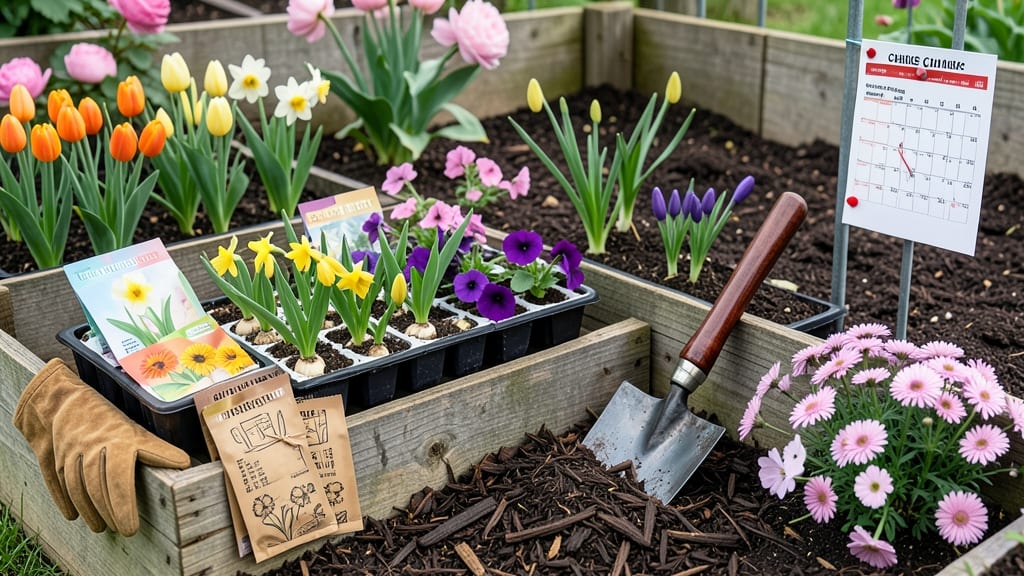
Timing your flower planting in Chicago isn’t just about the calendar—it’s about beating those sneaky late frosts that can turn your 🌸 dreams into a sad, wilted mess.
The last frost date hovers around April 15, but Mother Nature loves to throw curveballs, especially near Lake Michigan where temperatures can swing wildly.
You’ve probably heard the generic advice to wait until after the last frost, but that’s not always enough. Some flowers, like cold-hardy pansies or snapdragons, can handle a light frost and even bloom earlier, while heat-loving petunias will bolt if planted too soon.
The key is knowing which varieties thrive in Chicago’s 5b-6a zone—and when to give them the green light.
What if I told you there’s a way to extend your growing season by 2-4 weeks? Whether you’re a beginner or a seasoned gardener, mastering these planting windows means more blooms, fewer disappointments, and a garden that pops from spring through fall.
Let’s break down the exact dates—and smart strategies—to make your flowers flourish, no matter what Chicago throws at you.
From bulbs that wake up in March to annuals that need to wait until May, we’ll cover every type of flower, plus how to prep your soil and protect tender plants from those unpredictable spring surprises. Ready to turn your garden into a showstopper? Let’s get started.
Chicago’s frost-date planting calendar for annual & perennial flowers
Chicago’s USDA Zones 5b-6a mean last frost dates can swing wildly—sometimes as late as May 15—so timing is everything. I’ve broken down the ideal planting windows for your favorite flowers, accounting for Lake Effect microclimates (cooler near water) and inland areas (warmer).
Perennials like coneflowers and black-eyed Susans thrive when planted after the last frost, while cool-season annuals like pansies can handle early spring.
For annuals, start seeds indoors 6-8 weeks before your target planting date. Heat-loving flowers like petunias and marigolds need to wait until soil temps hit 60°F—usually late May.
Meanwhile, dahlias (tender perennials) should wait until after June 1 to avoid frost damage. Use this calendar as your guide, but always check your local Chicago Tribune Almanac for updates.
Here’s your planting timeline for Chicago’s most popular flowers, adjusted for Zone 5b/6a and microclimates:
For annuals like petunias, I recommend starting seeds indoors in late March to get a head start. Hardy perennials such as coneflowers can handle Chicago’s late spring frosts if planted early, but their roots need time to establish.
If you’re in a Lake Effect zone (like Rogers Park), delay planting heat-loving flowers by 5–7 days—those lake breezes keep soil cooler longer.
Pro tip: Use row covers to protect tender seedlings if a late frost threatens. I’ve lost more marigolds than I’d like to admit from April’s surprise freezes! Monitor your local National Weather Service alerts and adjust your timeline accordingly.
For dahlias, which are frost-sensitive, wait until after Memorial Day to plant—even inland areas can see frost into early June.
Chicago’s fall planting is just as critical. Pansies and snapdragons can be sown as late as September 15 for fall color, while bulbs like tulips need to be in the ground by November 1.
The key is to plant 6–8 weeks before the first frost (usually October 15), giving roots time to establish before winter.
Don’t forget to amend your soil with compost before planting—Chicago’s clay-heavy soil drains poorly. For container gardening, use a well-draining potting mix and plant 2–4 weeks earlier than ground planting dates, as containers warm up faster. My balcony petunias bloom weeks ahead of in-ground plants!
If you’re unsure about your microclimate, observe
How to adjust planting times for Chicago’s unpredictable weather
Chicago’s spring weather can be as unpredictable as a Lake Michigan breeze, leaving gardeners scrambling to adjust planting schedules. The average last frost date is April 15, but late frosts can linger into May, especially in inland areas.
Instead of guessing, use these strategies to extend your planting window and protect delicate blooms.
One of my favorite tricks is planting cold-hardy annuals like pansies or snapdragons 4-6 weeks before the last frost. These tough flowers can handle light frosts and even bloom earlier, giving you a head start on color.
For heat-loving varieties like petunias or marigolds, wait until May 1 or after soil temperatures hit 60°F.
Here’s how to calculate your own safe planting dates when official frost dates fail you:
- 1 Track your local microclimate: Use a home weather station or check 312Plant for real-time data. Lake Effect zones stay cooler longer—wait 7-10 days after inland areas.
- 2 Use row covers: Lightweight frost blankets can push planting dates back by 2-3 weeks. Secure them with bricks or clips to avoid wind damage.
- 3 Warm your soil: Spread black plastic mulch 2 weeks before planting to raise soil temps by 10-15°F. Remove it before planting to avoid overheating roots.
- 4 Plant succession crops: Stagger plantings every 2 weeks for continuous blooms. Start with fast growers like radishes, then move to medium-cycle flowers like zinnias.
- 5 Prepare for late frosts: Keep a garden hose handy to mist plants during 28°F+ frosts. A 5-minute spray can raise temps by 2-3°F and prevent damage.
For perennials like coneflowers or black-eyed Susans, divide and transplant in early spring (March) or early fall (September). These hardy plants bounce back from frost, but avoid disturbing them during active growth in summer.
If a late frost sneaks in after planting, don’t panic. Cover tender plants with burlap sacks or old bedsheets and remove them as soon as temps rise. Even a 30-minute cover can save your 🌸 blooms from ice crystals.
Pro tip: Plant bulbs in fall (September-October) for early spring color. Daffodils and tulips naturalize beautifully in Chicago’s clay soil and handle winter frosts like champions. Just mulch them with 3 inches of straw after the ground freezes.