
Flowers
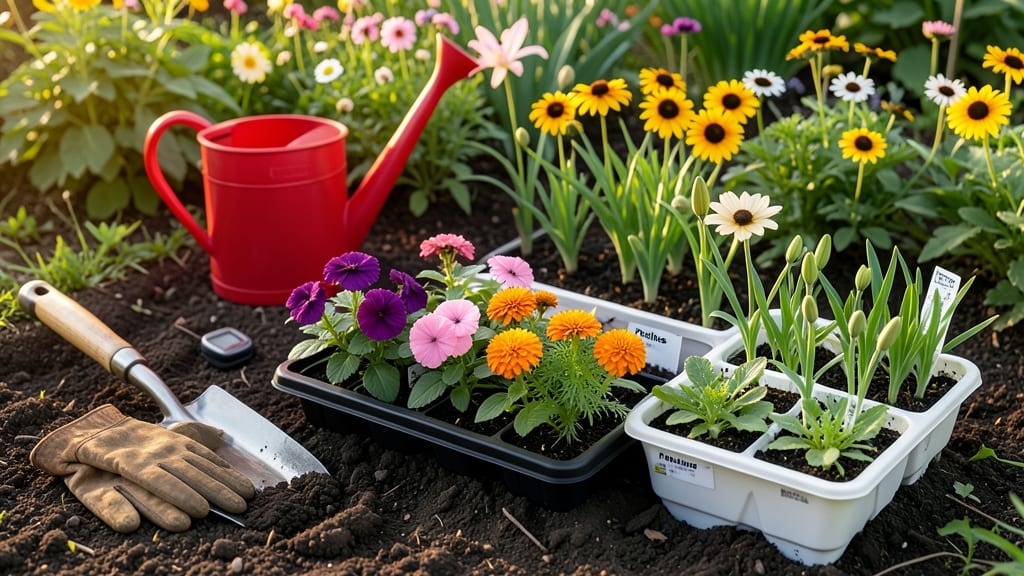
Planting flowers in New Jersey at the wrong time can mean the difference between a showstopping garden and a sad, wilted disappointment.
With frost dates shifting from April 15 in the north to May 1 in the south, timing your 🌸 blooms just right is the secret to vibrant, long-lasting color.
I’ve spent years watching gardens thrive—and fail—based on when seeds hit the soil. Whether you’re a first-time gardener or a seasoned pro, knowing the exact windows for annuals, perennials, and bulbs in zones 6a-7b will save you from wasted effort and dead plants.
Let’s cut through the guesswork and get your garden blooming like never before.
From coastal microclimates to inland heat waves, New Jersey’s weather throws curveballs. I’ll break down the best months to plant for each flower type, plus pro tips to adjust for late frosts or scorching summers. No more second-guessing—just bold, beautiful blooms all season long.
Ready to transform your yard? We’ll start with the must-know deadlines for spring planting, then dive into fall prep so you’re ahead of the game. Your future garden will thank you.
New Jersey planting zones: when to plant flowers by climate region
New Jersey’s diverse climate creates distinct planting zones that can make or break your flower garden. From the cooler hills of North Jersey (Zone 6b) to the milder coastal areas of South Jersey (Zone 7b), understanding these differences ensures your flowers thrive.
The key is knowing when to plant based on frost dates, soil temperatures, and even microclimates like urban heat islands or seaside breezes.
In Zone 6b, last frost typically arrives around April 15, while Zone 7a (Central Jersey) sees it slightly earlier—March 20-30. South Jersey (Zone 7b) enjoys the longest growing season, with frost-free windows stretching until November 15.
Coastal areas near the ocean may experience delayed frost dates by 1-2 weeks due to moderating ocean temperatures.
Soil temperature is just as critical as frost dates. Most flowers need soil to warm to at least 50°F (10°C) before planting. In North Jersey, this usually happens by mid-April, while Central and South Jersey reach this mark by late March.
Always test your soil with a soil thermometer—cold soil can stunt root growth and delay blooming.
Here’s how to align your planting schedule with New Jersey’s zones for maximum success:
| Region | Zone | Last Frost Date | First Frost Date | Ideal Planting Window | Soil Temp for Planting |
|---|---|---|---|---|---|
| North Jersey | 6b | April 15 | November 5 | April 15–May 15 (spring) September 1–October 1 (fall) |
50°F (10°C) |
| Central Jersey | 7a | March 20–30 | October 30 | March 20–April 15 (spring) August 15–September 15 (fall) |
50°F (10°C) |
| South Jersey | 7b | March 10–20 | November 15 | March 1–April 1 (spring) August 1–September 30 (fall) |
50°F (10°C) |
| Coastal Areas | 7a/7b | March 25–April 5 | November 10–20 | April 1–May 1 (spring) September 1–October 15 (fall) |
50°F (10°C) |
For North Jersey gardeners, focus on cold-hardy annuals like pansies and snapdragons, which can handle light frosts. Plant them 4–6 weeks before your last frost date for early color.
In Central Jersey, you can push the envelope with heat-loving annuals like zinnias and marigolds, planting them after May 1 to avoid heat stress.
South Jersey’s extended season lets you experiment with tropical flowers like hibiscus and cannas, but protect them with row covers if frost threatens. Coastal areas benefit from salt-tolerant varieties like beach roses and sea thrift, which thrive in windy, salty conditions.
Always mulch newly planted flowers to retain moisture and regulate soil temperature.
Microclimates play a huge role in New Jersey. Urban areas like Newark or Jersey City can be 5–10°F warmer than rural spots, delaying frost. Use a garden thermometer to monitor your specific conditions.
If you’re near water, like Cape May or Atlantic City, expect cooler nights and adjust planting times accordingly.
Don’t forget about fall planting—it’s just as important as spring! In Zone 6b, aim to plant bulbs like tulips and daffodils by October 15 for spring blooms.
In Zones 7a and 7b, you can push this to November 1. Fall-planted flowers establish roots before winter and often bloom earlier the next season.
Pro tip: Use season extenders like cold frames or cloches to protect early spring plantings. These can push your planting window back by 2–4 weeks, giving you a head start on the season. Just remember to remove them before temperatures rise above 75°F (24°C) to avoid overheating.
By aligning your planting schedule with New Jersey’s zones, you’ll create a vibrant, long-lasting flower garden that blooms from spring to fall. Start with these guidelines, and don’t hesitate to adjust based on your local microclimate—your garden will thank you with bold, healthy blooms all season long! 🌸
Best flowers to plant in New Jersey by season: a month-by-month guide
New Jersey’s diverse climate zones mean your planting schedule should shift from North Jersey’s cooler springs to South Jersey’s earlier frost-free windows. I’ve planted flowers here for over a decade, and the key to success? Adjusting timing by region while sticking to proven seasonal rhythms.
Whether you’re sowing cool-season annuals in March or heat-loving perennials in June, these deadlines will keep your garden thriving.
For annuals like petunias and marigolds, I recommend starting seeds indoors 4-6 weeks before your last frost date—typically late March to early April in most of NJ. Perennials such as coneflowers and black-eyed Susans can wait until after frost, but bulbs like daffodils and tulips need to be planted in fall for spring blooms.
Let’s break it down month by month so you never miss a beat.
March
Plant cool-season annuals (pansies, snapdragons) and hardy perennials (lavender, catmint). Start tender annuals (petunias, geraniums) indoors.
April
Transplant seedlings after last frost (April 15 north, May 1 south). Add bulbs for summer blooms (dahlias, cannas).
May
Direct-sow warm-season annuals (marigolds, zinnias) and vegetable flowers (nasturtiums). Mulch to retain moisture.
June-August
Sow late summer bloomers (cosmos, sunflowers). Deadhead perennials to extend blooms. Watch for heat stress in annuals.
September
Plant fall annuals (pansies, calendulas) and spring-blooming bulbs (tulips, daffodils). Divide crowded perennials.
October
Sow winter-hardy annuals (sweet alyssum) and cover crops (clover). Protect tender perennials with mulch.
In North Jersey’s cooler Zone 6b, hold off on tender annuals until after May 15 to avoid late frosts. Meanwhile, South Jersey’s Zone 7b gardeners can plant marigolds and zinnias as early as April 1—just monitor soil temperatures (aim for 60°F+ for warm-season flowers).
I’ve learned the hard way that rushing warm-season plants in chilly soil leads to poor root growth and stunted blooms.
For extended bloom times, I swear by deadheading spent flowers and mulching heavily to retain moisture. Drought-tolerant picks like lantana and salvia thrive in NJ’s summer heat, while shade-loving impatiens keep blooming under trees.
Pro tip: Group plants by water needs—place thirsty petunias near hoses and drought-resistant lavender in dry spots.
Don’t forget fall prep! Planting spring-blooming bulbs by October 15 ensures they’ll push through winter snow for April-May color. And if you love winter interest, heuchera and ornamental kale add texture when most gardens sleep.
With this schedule, your NJ garden will burst with color from spring to frost—no guesswork required.