
Flowers
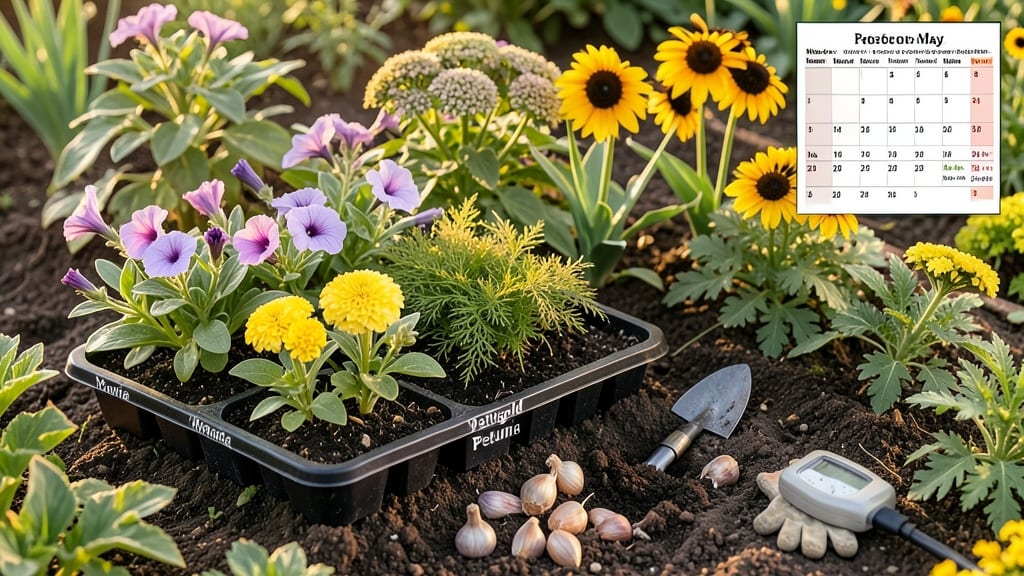
Timing when to plant flowers in New York just right means the difference between a garden that bursts with color and one that freezes before it even blooms.
Whether you're in bustling NYC or the rolling hills of Upstate, getting the planting schedule wrong can leave your 🌱 dreams wilting faster than you can say "first frost."
The key to success lies in understanding your local climate zone and knowing when the soil warms up enough to support new growth. I've spent years watching my own gardens thrive (and occasionally fail) when I ignored these critical timing cues.
Let me show you exactly when to plant for maximum blooms, so you can enjoy vibrant flowers from spring through fall without the guesswork. New York's diverse regions have different frost dates, which means planting windows vary from late April in the city to mid-May in cooler Upstate areas.
We'll break down the perfect months for both annuals and perennials, so you can choose flowers that not only survive but thrive in your specific corner of the Empire State. Ready to transform your garden into a year-round paradise?
You'll discover how to prepare your soil, select the hardiest varieties, and even extend your blooming season with simple tricks. Let's get those flowers in the ground at exactly the right time!
New York planting zones: which months avoid frost damage for flowers?
New York spans USDA Hardiness Zones 5-7, creating dramatic differences between Upstate and NYC planting windows. In Zone 5 (Upstate), average last frost dates arrive April 15–May 1, while Zone 7 (NYC) enjoys frost-free soil by April 1–April 15.
These dates dictate whether your annuals or perennials will survive—or shrivel—overnight. The key? Planting after the last frost but before summer heat sets in.
For annual flowers, timing is critical because they complete their life cycle in one season. Perennials, however, can handle earlier planting since they establish roots before blooming. My rule of thumb: Wait until soil temperatures hit 55°F (13°C) at 4 inches deep—this ensures roots won’t freeze.
Use a soil thermometer to check, especially in Upstate regions where cold snaps linger longer.
Here’s the non-negotiable rule for New York gardeners: Never plant frost-sensitive flowers like impatiens or marigolds before May 15 in Zone 5. In Zone 7, you can push it to April 20—but always monitor weather forecasts for late frosts.
I’ve lost entire beds of petunias to surprise April frosts, so don’t skip this step!
🌱 PRO TIP: Extend your season by using row covers or cold frames to plant hardy annuals like pansies or snapdragons as early as mid-April in NYC. These tricks let you beat the competition for early blooms while minimizing frost risk.
🌿 KEY DIFFERENCE: NYC’s Zone 7 climate allows earlier planting of heat-loving flowers like zinnias or sunflowers by May 1, while Upstate gardeners should wait until May 15. The 10–14 day gap can mean the difference between lush summer blooms and wilting disappointment.
For annual flowers, I recommend starting seeds indoors 6–8 weeks before your last frost date. For example, in Zone 5, that means March 1–March 15 for petunias or geraniums.
In Zone 7, you can push it to February 20 for heat-loving varieties like marigolds or zinnias. Harden off seedlings for 7–10 days before transplanting to avoid shock.
If you’re planting perennials, aim for early spring (March–April) when soil is workable but not soggy. Peonies and daylilies thrive when planted in Zone 5 by April 1, while lavender and black-eyed Susans can go in as early as March 10 in Zone 7.
Pro tip: Divide perennials in fall (September–October) for stronger roots next spring!
Don’t forget about fall planting—it’s a secret weapon for perennials! In Zone 5, plant bulbs like tulips in October so they establish roots before winter.
Best flowers to plant by season in New York (with frost resistance ratings)
New York gardeners know that seasonal timing makes all the difference between a showstopping garden and a frost-killed failure. I’ve tested dozens of flowers across my Zone 6 Upstate garden and Zone 7 NYC balcony, and these are the top performers that thrive in our unpredictable climate.
From cold-hardy spring bulbs to heat-loving summer annuals, I’ll share exactly when to plant each for maximum blooms.
The secret to success? Matching your flower’s frost resistance with New York’s last frost dates. For example, tulips and daffodils can handle 32°F temperatures, while marigolds and zinnias need to wait until soil reaches 55°F.
Let’s dive into my season-by-season planting guide, complete with frost ratings so you can pick the perfect blooms for your garden.
For spring planting, focus on perennials and bulbs like tulips and peonies, which can handle late frosts as long as they’re planted in well-draining soil. I recommend getting them in the ground by late April in NYC or early May in Upstate areas.
These cold-hardy beauties will reward you with early color and often return year after year.
Summer brings heat-loving annuals that need to wait until after the last frost. My go-to picks are marigolds and zinnias, which bloom nonstop from June through October. These drought-tolerant stars thrive in full sun and can even handle light frosts if planted early enough.
For best results, sow seeds directly after May 15th in most of New York.
Don’t overlook fall planting—it’s the perfect time for late-season bloomers like chrysanthemums and asters. These frost-resistant favorites can handle light frosts and add autumn color when many gardens are winding down.
Plant them by mid-August to give roots time to establish before winter. Pro tip: Mulch heavily to protect them from early freezes.
My top frost-resistant picks for New York gardens include tulips (9/10 rating), black-eyed Susans (8/10), and Russian sage (7/10). These hardy heroes will keep your garden blooming through frost and beyond.
For container gardens, opt for pansies and snapdragons, which handle cool temperatures beautifully and add vertical interest to small spaces.