
Flowers
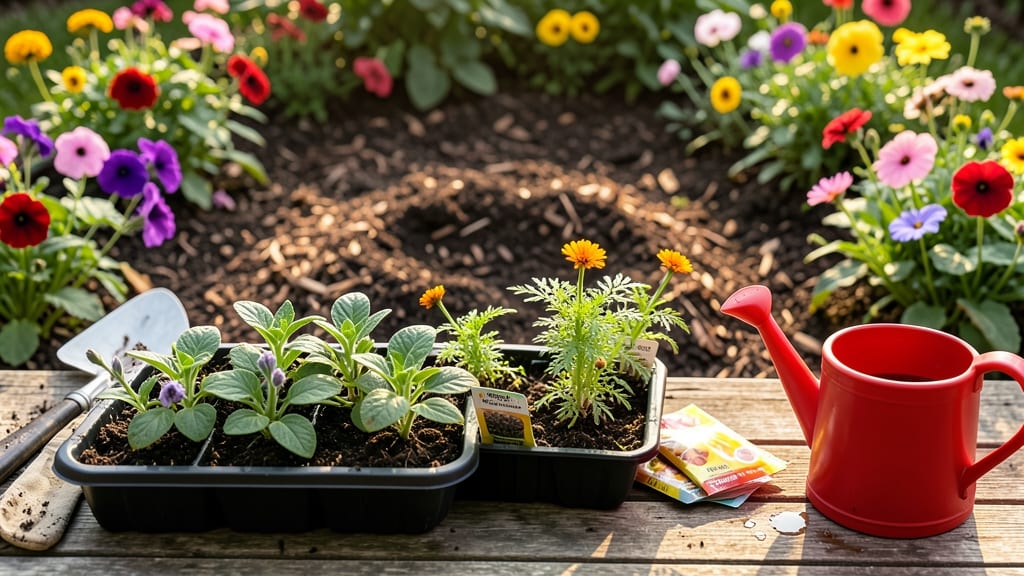
Planting your 🌸 flowers at the right time in Zone 7 isn't just about following a calendar—it's about giving them the best shot at thriving before summer heat or winter frost takes over.
Too early, and you risk losing delicate annuals to a surprise freeze; too late, and your perennials might not establish strong roots before the growing season winds down.
I’ve learned the hard way that timing matters more than most gardeners realize. Whether you’re planting cool-season favorites like pansies or heat-loving zinnias, knowing when to get those seeds or seedlings in the ground can mean the difference between a vibrant garden and a disappointing patch of dirt.
Let’s break down exactly when to plant for perfect results in your Zone 7 garden.
Most gardeners in Zone 7a/7b aim for late April to early May for warm-season flowers, but cooler microclimates or early frosts can shift that window. Meanwhile, fall planting—6 to 8 weeks before your first frost—gives perennials and bulbs a head start for next year’s blooms.
I’ll show you how to adjust for your specific corner of Zone 7, so you’re never left guessing.
Ready to avoid common mistakes like planting too soon or skipping soil prep? Stick around—I’ll walk you through a foolproof seasonal checklist, regional tweaks, and even container gardening hacks for urban gardeners. Your zero-frost success starts here.
Zone 7 planting calendar: exact weeks for annuals vs. perennials
Mastering the Zone 7 planting calendar means knowing your last frost date and soil temperature thresholds. In Zone 7, the average last frost falls between April 1 (7b) and April 15 (7a), while the first frost typically arrives in early November.
These dates create a 180-200 day growing season, giving you two prime planting windows: early spring (after frost) and early fall (6-8 weeks before frost).
Your soil temperature is just as critical as air temperature. Most annual flowers thrive when soil reaches 60°F (15°C), while perennials prefer slightly cooler 50-55°F (10-13°C) for root establishment. Use a soil thermometer to check—it’s your secret weapon for perfect timing.
Northern Zone 7 (7a) has colder microclimates than Southern Zone 7 (7b), meaning your last frost may arrive 1-2 weeks later in the north.
Adjust your planting schedule accordingly: Zone 7a gardeners should wait until mid-April, while Zone 7b gardeners can start as early as late March for heat-loving annuals like marigolds.
Here’s how to align your flower planting schedule with Zone 7’s unique climate quirks:
| Plant Type | Ideal Planting Window (Zone 7a) | Ideal Planting Window (Zone 7b) | Soil Temp Threshold | Best For |
|---|---|---|---|---|
| Cool-Season Annuals | March 15 - April 15 | March 1 - April 1 | 45-55°F (7-13°C) | Pansies, Snapdragons, Sweet Alyssum |
| Warm-Season Annuals | April 15 - May 15 | April 1 - May 1 | 60-70°F (15-21°C) | Marigolds, Petunias, Zinnias |
| Perennials (Spring) | March 1 - April 15 | February 28 - April 1 | 50-55°F (10-13°C) | Coneflowers, Black-Eyed Susans, Lavender |
| Perennials (Fall) | September 1 - October 15 | September 15 - October 15 | 55-65°F (13-18°C) | Daylilies, Salvia, Russian Sage |
| Bulbs (Spring) | October 1 - November 15 | September 15 - October 31 | 50-60°F (10-15°C) | Tulips, Daffodils, Hyacinths |
| Bulbs (Fall) | March 15 - April 15 | March 1 - April 1 | 55-65°F (13-18°C) | Crocus, Allium, Muscari |
For cool-season annuals like pansies and snapdragons, plant them 6-8 weeks before your last frost—typically mid-March to mid-April in Zone 7. These hardy flowers tolerate light frosts and even bloom in cool weather, making them perfect for early spring color.
Start seeds indoors 4-6 weeks before transplanting to give them a head start.
Warm-season annual flowers, such as marig
How to adjust planting times for extended blooms in Zone 7
To keep your garden bursting with color from spring through fall, you’ll need to stagger your plantings like a pro. The key is succession planting, which means planting new batches of flowers every 2-3 weeks after the first frost date.
This way, when one group of blooms fades, another takes over, creating a non-stop floral show. For example, I start with cool-season annuals like pansies in early April, then follow up with heat-loving zinnias in late May—this ensures blooms from April through October.
Another trick is to choose heat-tolerant varieties that thrive in Zone 7’s summer heat. Plants like celosia, lantana, and marigolds can handle the midday sun without wilting, while cosmos and sunflowers often rebloom after deadheading.
These varieties are your secret weapon for extending the season without risking frost damage later in the year.
🌱 Numbered Highlights: Adjusting Planting Times for Extended Blooms
- 📅 Start cool-season flowers 4-6 weeks before last frost (Zone 7a: early April; Zone 7b: late March). Think pansies, snapdragons, and sweet peas—they’ll bloom early and tolerate light frosts.
- 🌿 Plant warm-season annuals 2-3 weeks after last frost (early May in most of Zone 7). Choose heat-resistant varieties like celosia, lantana, or zinnias for summer-long color.
- ⏳ Succession plant every 2-3 weeks for continuous blooms. For example, sow marigolds every 3 weeks from May through July to keep them flowering until frost.
- 🌡️ Extend fall blooms by planting late-season varieties like cosmos, sunflowers, and asters in early August. These thrive in cooler temps and often bloom until November.
- 🌱 Prepare soil in late summer for fall planting. Add compost and mulch to insulate roots and protect against early frosts, giving perennials a head start.
Late-summer prep is just as critical as your spring planting schedule. In August, I focus on soil enrichment and mulching to protect perennials and bulbs from temperature swings.
A 2-3 inch layer of organic mulch (like straw or shredded leaves) helps regulate soil temperature and retains moisture, which is especially important as summer heat tapers off. This prep work ensures your fall-planted flowers—like chrysanthemums and asters—establish strong roots before winter.
Don’t overlook container gardening for urban gardeners or those with limited space. Containers let you move heat-sensitive plants to shadier spots during peak summer and bring them back to full sun as temperatures drop.
I’ve had great success with petunias and geraniums in pots, where I can adjust their placement based on the season. Just remember to use well-draining soil and larger containers (at least 12 inches deep) to prevent root stress.
Finally, keep an eye on your local microclimate. A spot near a brick wall or paved area might stay warmer in fall, allowing you to plant later than the general Zone 7 guidelines.
Conversely, low-lying areas can frost earlier, so adjust your timing accordingly. By paying attention to these details, you’ll maximize your bloom time and enjoy a garden that’s always in season.