
Trees
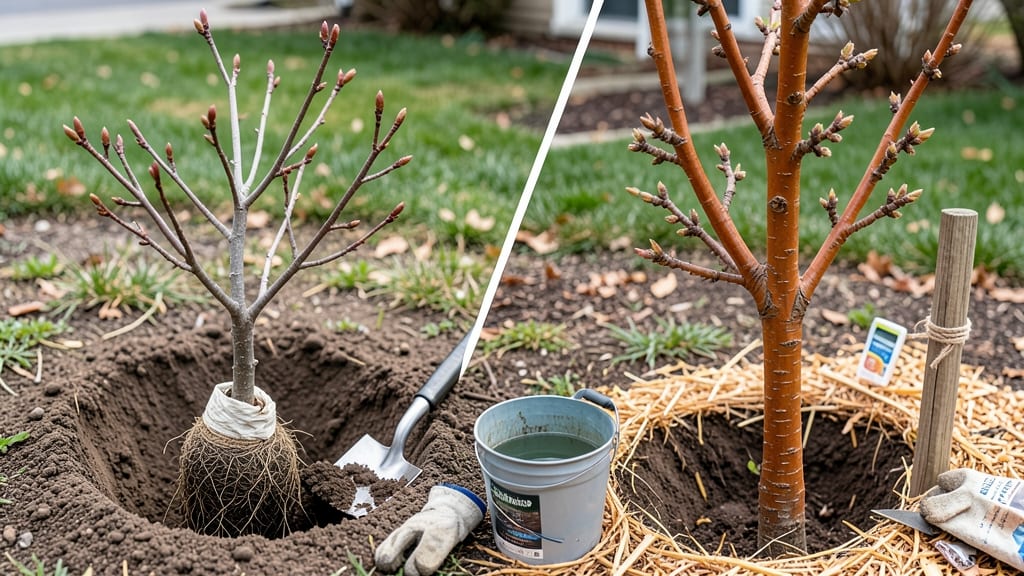
Timing your fruit tree planting in Utah isn't just about waiting for spring—it's about matching your 🍎 varieties to the state's chill-hour zones and avoiding those sneaky late frosts that can ruin your harvest before it starts.
I've seen firsthand how a tree planted just a few weeks too early can struggle with weak roots or delayed fruiting, while one planted at the perfect moment thrives.
The key? Understanding when your local climate shifts from dormancy to growth—typically late winter to early spring—but with crucial adjustments for Utah's microclimates.
In this guide, I'll walk you through the exact windows for planting bare-root versus container-grown trees, how to prep your soil for Utah's alkaline conditions, and which varieties (like apples or peaches) need more chill hours to bloom reliably.
Whether you're in the Wasatch Front or the desert Southwest, you'll leave here knowing exactly when to dig—and how to give your trees the best shot at year-after-year harvests that Utah's dry climate can support.
Utah’s chill-hour zones: matching fruit trees to your microclimate
Utah’s climate is a fruit tree gardener’s puzzle—cold winters provide essential chill hours, while hot summers demand drought-tolerant varieties. The key? Understanding your local chill-hour zone (500–1,000+ hours) to select trees that bloom reliably.
For example, apples and cherries need 800+ chill hours, while peaches and pears thrive in 500–700 hours. Without matching your zone, you risk poor fruit set or no harvest at all.
Utah spans USDA Zones 5–7, but chill hours vary wildly—from 300 hours in St. George to 1,000+ in Logan. This diversity means a peach tree might struggle in Cache Valley but flourish in Washington County.
The solution? Use USDA chill-hour maps and local weather data to pinpoint your exact needs. I’ll walk you through how to verify your zone and pick the perfect fruit trees for your microclimate.
Chill hours are the accumulated hours below 45°F (7°C) during winter dormancy. Most stone fruits (peaches, cherries) need 300–500 hours, while pome fruits (apples, pears) require 600–1,000+ hours. Utah’s Wasatch Front (e.g., Salt Lake City) typically falls in the 700–900-hour range, while Southern Utah (e.g., Cedar City) often sees 400–600 hours.
To find your exact chill hours, check the USDA Plant Hardiness Zone Map (https://planthardiness.ars.usda.gov/) and cross-reference with local weather stations like the National Weather Service or Utah Climate Center.
For instance, Provo averages 850 chill hours, making it ideal for Honeycrisp apples but too cold for low-chill figs. Always verify with 3–5 years of data for accuracy.
Microclimates matter. A south-facing slope in Park City might add 100–200 extra chill hours compared to a valley floor, while urban areas like Salt Lake City can experience heat islands that reduce chill accumulation. If you’re unsure, start with low-chill varieties like Redhaven peaches (400–500 hours) or Bartlett pears (500–600 hours) for flexibility.
Here’s how to match trees to your chill hours:
- 500–600 hours: Peaches, nectarines, apricots (e.g., Redtop peach)
- 600–800 hours: Pears, plums, some apples (e.g., Bartlett pear)
- 800–1,000+ hours: Apples, cherries, European plums (e.g., Honeycrisp apple)
- Low-chill (<400 hours): Figs, pomegranates, some citrus (e.g., Mission fig)
| Utah Region | Chill Hours | Best Fruit Trees | Avoid These |
|---|---|---|---|
| Northern Utah (Logan, Ogden) | 800–1,000+ | Honeycrisp apples, Bing cherries, Starkrimson apples | Low-chill peaches (<400 hrs) |
| Wasatch Front (Salt Lake City, Provo) | 700–900 | Bartlett pears, Redhaven peaches, Montmorency cherries | High-chill European plums |
| Central Utah (Heber, Park City) | 600–800 | Elberta peaches, Anjou pears, Harrow Sweet cherries | Fuji apples (need >900 hrs) |
| Southern Utah (St. George, Cedar City) | 400–600 | Redtop peaches, Mission figs, Satsuma oranges | McIntosh apples (need >800 hrs) |
| Desert Southwest (Moab, Kanab) | 300–400 | Low-chill varieties: Improved Meyer lemon, Black Sapote | Most temperate fruit trees |
*Chill hours vary yearly; use local data for precision.
If you’re in a transition zone (e.g., Spanish Fork with 650–750 chill hours), opt for intermediate varieties like J.H. Hale apples or Flavor Grenade peaches.
These hybrids tolerate 500–800 hours and reduce the risk of poor pollination. Always pair trees with compatible pollinators—for example, plant a Bartlett pear
Best planting windows in Utah: when to dig for peak survival rates
Timing your fruit tree planting in Utah requires more than just waiting for spring—it’s about understanding your local microclimate and avoiding late frost risks that can devastate young trees.
In Northern Utah, like Salt Lake City, the ideal window is mid-March to early April, while Southern Utah, such as St. George, shifts slightly later to late March to mid-April to escape lingering cold snaps.
Bare-root trees are most vulnerable when planted outside their dormancy period, so I always aim to get them in the ground before buds swell. Container-grown trees offer more flexibility, allowing planting through fall or early spring, but they still need time to establish roots before summer’s heat arrives.
📌 Key Planting Windows for Utah Fruit Trees
- 🌱 Northern Utah (e.g., Salt Lake City, Ogden): Mid-March to early April for bare-root trees; April to early May for container-grown.
- 🌵 Southern Utah (e.g., St. George, Cedar City): Late March to mid-April to avoid desert heat stress; container-grown trees can go in until May.
- ❄️ Bare-Root Trees: Plant before buds break (typically February–March in most zones) to prevent transplant shock.
- 🪴 Container-Grown Trees: Can be planted year-round except winter, but spring or fall is ideal for root establishment.
- ☀️ Avoid Summer Planting: High Utah heat stresses roots; wait until temps drop below 85°F for container-grown trees.
- 📅 Check Last Frost Date: Use USDA Plant Hardiness Zone Map or local weather stations to confirm your area’s average last frost (typically March 15 in Northern Utah, April 1 in Southern Utah).
Before you dig, prep your soil for Utah’s alkaline conditions by amending with compost or peat moss to improve drainage. Space trees 15–25 feet apart (depending on variety) to allow airflow and reduce disease risk. A 3–4 inch mulch layer around the base helps retain moisture and regulate soil temperature.
Mulching is especially critical in Utah’s dry climate, where evaporation rates can dry out young roots. I recommend using wood chips or straw, keeping it 6 inches away from the trunk to prevent rot.
Water deeply immediately after planting and again every 7–10 days until the tree establishes a strong root system.
For high-chill varieties like apples or cherries, prioritize planting in Northern Utah where chill hours exceed 500+ hours. In Southern Utah, opt for low-chill peaches or plums (300–500 hours) to ensure reliable blooming. Always check the chill-hour requirements of your chosen variety against your local climate data.
Pro tip: If you’re planting in May or later, choose container-grown trees with established root balls to minimize stress. Monitor for late frost warnings and protect young trees with frost cloth if temperatures dip below 28°F after planting.