
Trees
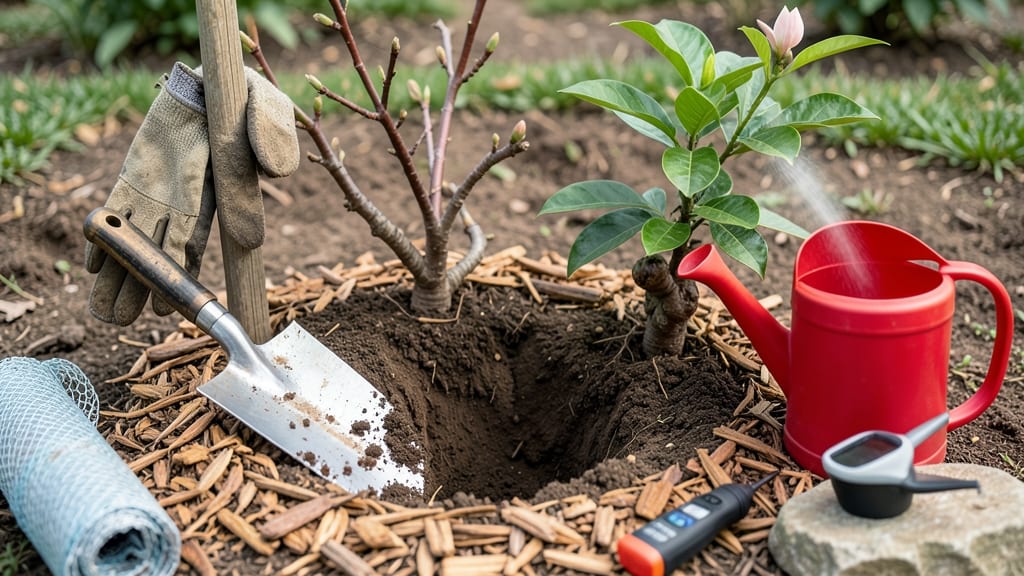
Timing your fruit tree planting in South Carolina isn't just about the calendar—it's about beating the heat and giving those roots the best shot at survival in zones 7b-9a.
Plant too early, and you risk transplant shock from summer’s relentless sun; too late, and your 🍎 trees might struggle to establish before winter sets in.
Most gardeners in SC swear by late winter to early spring (February-March) as the sweet spot, when soil is workable but temperatures are still cool enough to prevent stress. This window aligns perfectly with your trees’ natural dormancy cycle, setting them up for explosive growth once the weather warms.
But here’s the catch: not all fruit trees play by the same rules. Citrus, for example, craves that early spring planting to avoid heat stress, while peaches and apples actually prefer late winter’s chill.
I’ll break down the exact timing for each type—and how to tell when your soil is ready to welcome them.
Skip the guesswork and learn the game-changer timing tricks that’ll have your fruit trees thriving in no time, whether you’re planting bare-root saplings or container-grown varieties. Let’s get those roots growing strong!
Best planting months for fruit trees in SC’s zone 8A-9A: avoiding summer heat stress
South Carolina’s Zone 8A-9A climate creates a unique challenge for fruit tree growers. Unlike cooler northern regions, summer heat stress can kill young trees if planted at the wrong time. The key is planting when soil temperatures stay below 85°F and trees enter dormancy or early growth phases.
For most stone fruits (peaches, plums, cherries), the ideal window is late winter to early spring—just before bud break. Citrus and figs, however, thrive when planted in early spring (March) to avoid summer’s brutal heat. Timing isn’t just about months; it’s about soil and air temperatures.
Why does timing matter so much? Young fruit trees are highly sensitive to transplant shock, especially in SC’s humid summers. Planting in late winter or early spring gives roots time to establish before the heat arrives.
For example, peach trees planted in June or July often struggle with root rot due to excessive moisture and heat.
Citrus trees are an exception—they need warm soil to thrive, so March planting is ideal. However, avoid planting during heatwaves (above 90°F), as young roots can’t absorb enough water. Always check soil moisture by digging 2 inches deep; it should feel damp but not soggy.
For container-grown trees, you have slightly more flexibility but still avoid peak summer. These trees can be planted in fall (October) or early spring (March), but they’ll need extra watering during dry spells. The key is to acclimate them gradually to outdoor conditions before full exposure to sun.
One critical mistake many SC gardeners make is planting bare-root trees in summer. These trees rely on dormancy to survive; planting them when active growth begins stresses the roots. Always check the tree’s dormancy status—if buds are swelling, wait until next winter.
To maximize success, amend your soil with compost 4–6 weeks before planting. This improves drainage and moisture retention, which is crucial in SC’s clay-heavy soils.
A pH test is also wise: most fruit trees prefer slightly acidic soil (pH 6.0–6.5), except blueberries, which need acidic soil (pH 4.5–5.5).
After planting, mulch heavily (3–4 inches of organic mulch) to retain moisture and regulate soil temperature. Water deeply once a week for the first month, then taper to bi-weekly watering once roots establish. Avoid overhead watering to prevent disease spread in humid conditions.
Remember, patience is key. Fruit trees planted at the right time in SC’s Zone 8A-9A can bear fruit in 2–5 years, but those planted during heat stress may take double that time to recover.
Choose the right month, prepare your soil, and give your trees the best start possible.
How to choose the perfect planting window for your specific fruit tree type
South Carolina’s warm winters and long summers mean timing is everything when planting fruit trees. The wrong window can leave your 🍑 peaches or 🍊 citrus struggling with heat stress or poor root establishment.
I’ve planted everything from blueberries to figs in SC’s Zone 8A-9A, and I’ll share the exact months—and soil cues—that work best for each type.
Most fruit trees thrive when planted during dormancy, but citrus and figs break the rules. For example, peaches and apples need that late winter chill (February) to avoid early budding, while citrus demands early spring’s cooler temps (March) to prevent transplant shock.
Let’s dive into the specifics so you plant at the perfect moment.
📅 Key Rule: Plant when soil temps are 50-60°F (10-15°C) and daytime highs stay below 80°F (27°C). Use a soil thermometer—this is non-negotiable for SC’s heat-sensitive trees.
| Fruit Tree Type | Best Planting Window | Soil Temp Requirement | Dormancy Needs |
|---|---|---|---|
| Peaches & Plums | Late Winter (Feb) | 50-60°F (10-15°C) | Must plant before buds swell |
| Citrus (Oranges, Lemons) | Early Spring (March) | 60-70°F (15-21°C) | Avoid summer heat—plant when soil warms |
| Blueberries | Fall (Oct-Nov) | 55-65°F (13-18°C) | Establish roots before winter chill |
| Figs | Spring (March-April) | 60-75°F (15-24°C) | Plant after last frost when soil is warm |
For peaches and plums, aim for February’s cooler temps—this gives roots time to establish before the heat of spring. I’ve seen bare-root trees planted in January struggle if buds start swelling too early. Look for dormant trees with no green shoots; these are ready to go.
Citrus trees are the most heat-sensitive, so March is critical. Plant when soil temps hit 60°F (15°C)—any earlier, and roots won’t warm up enough to grow. Container-grown citrus can handle early spring, but bare-root varieties need that extra week of cooler weather to avoid shock.
If you’re planting blueberries, fall is your best bet. The cooler temps of October-November let roots settle in before winter. I’ve had the most success with Rabbiteye varieties planted in late October, just before the first frost. They’ll be ready to fruit in 2-3 years if timed right.
Finally, figs love spring’s warmth, but don’t rush it—wait until March-April when soil is 60°F+ (15°C+). Figs planted too early can rot in SC’s damp springs. I’ve found Celeste figs thrive when planted in early April, just as the last frost passes.
Pro tip: Mulch heavily after planting to keep roots cool in summer. I use 3-4 inches of pine straw—it retains moisture and regulates soil temps perfectly for SC’s climate. 🌱